
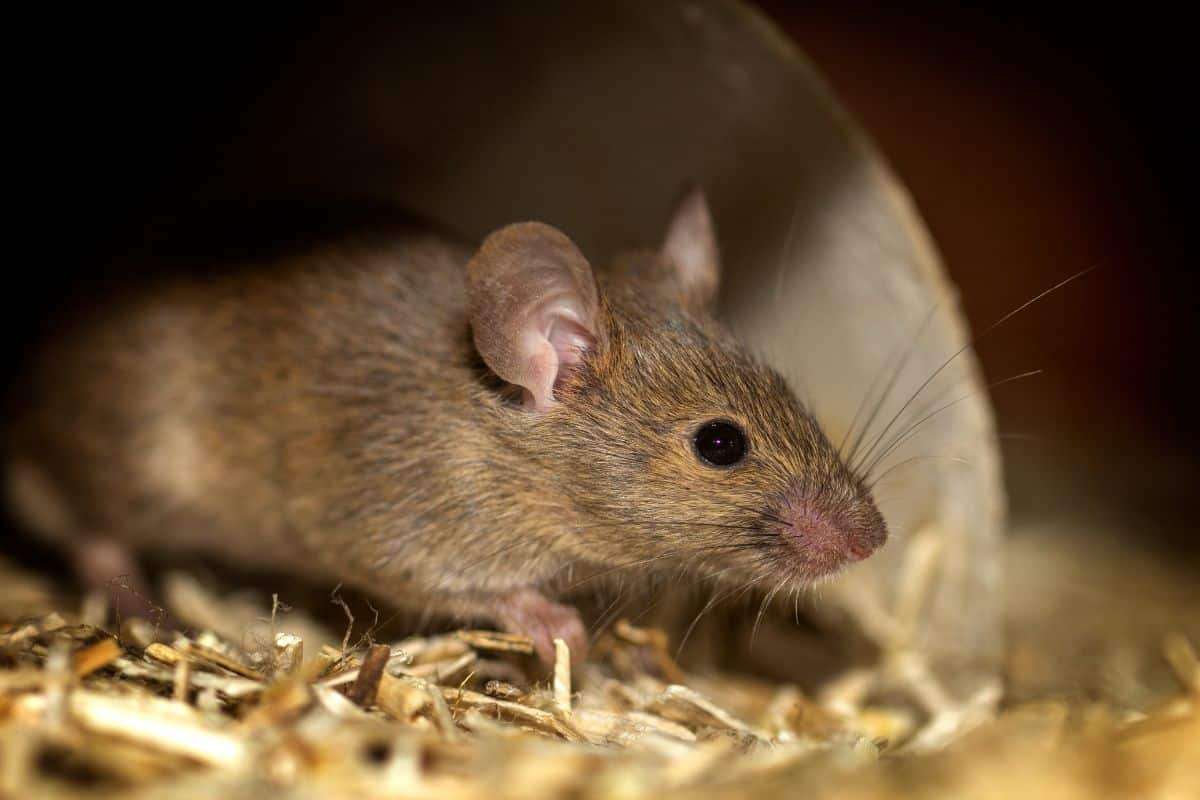
New research uncovers that mice might show a remarkable level of care by trying to revive their unconscious peers using a method akin to basic resuscitation.
This discovery offers compelling evidence that the impulse to assist others in emergency situations could be deeply ingrained in mammalian evolution, reshaping existing perspectives on animal altruism.
Rodents Show a Startling Rescue Response
At the University of Southern California, scientists designed experiments to observe how mice react when placed with companions that are unconscious or immobile.

They found that in about half of the scenarios, healthy mice would grasp the tongues of unresponsive cage mates. Though primitive compared to human first aid, this behavior helped clear airways, allowing the immobile rodents to regain consciousness faster.
Occasionally, mice also removed blockages from their anesthetized companions’ mouths, indicating an intentional effort to aid their friends.
Beyond Mere Reflex or Curiosity
One significant aim of the 2025 study was to determine if this behavior was instinctual or evidence of recognizing distress. By repeating tests across five days, researchers confirmed the persistence of these rescue attempts.
The data also revealed that mice predominantly helped those they knew rather than strangers, aligning with earlier findings about social bonds influencing empathetic actions.
Neuroscientist James Burkett from the University of Toledo noted, “That familiarity bias tells you that the animal’s not responding in a reflexive manner to the stimuli that they’re seeing.”
@newscientist Life-saving mice have shocked scientists by performing first aid 🐭 Mice have been found performing a resuscitation technique similar to CPR on unconscious cagemates. Rowan Hooper and Penny Sarchet say this remarkable discovery shows that empathy and consolation behaviour is more widespread in mammals than we thought, and hints at a mouse theory of mind. Hear the full story on New Scientist Weekly, a news podcast for the insatiably curious, hosted by Rowan Hooper and Penny Sarchet. Tap link in bio to learn more #sciencepodcast, #science, #mousecpr, #animalbehaviour, #consciousness, #animals, #sciencefacts, #newscientist, #podcast, ♬ original sound – New Scientist
Neural Mechanisms Underlying Rescue Efforts
The investigation also delved into the brain activity behind this caregiving behavior. When mice encountered unconscious peers, the medial amygdala—responsible for processing social information—showed elevated activity.
Caregiving mice experienced increased levels of oxytocin, known as the "love hormone," which is crucial for empathy, social bonding, and maternal behaviors. This suggests that emotional connection may drive these aid efforts beyond mere reflex.
Additionally, a separate brain area became active when mice dealt with awake but stressed cage mates, indicating distinct neural pathways managing different types of social distress.
First Aid Behavior Extends Beyond Large Mammals
Until now, rescue-like actions resembling first aid were documented mainly in big-brained animals, including dolphins and elephants. Dolphins have been seen supporting unconscious pod members to breathe, and elephants appear to assist fallen peers.
This study is the first to confirm that small mammals like mice also demonstrate such intervention, enhancing our understanding of cooperative behavior in rodents, especially regarding their focus on respiratory recovery.
Insights Into Animal Compassion and Social Ties
This research invites reflection on the depths of empathy and altruism in non-human species. Are these mice genuinely aware of distress in others, or is their response purely instinctual?
While confirming conscious comprehension is challenging, the preference for aiding familiar individuals repeatedly over days indicates complex motivation at work.
The engagement of social brain regions hints that mice might possess a rudimentary form of compassion, previously believed to be characteristic only of humans and select intelligent mammals.
- Categories:
- Science












0 comments
Sign in to Comment