
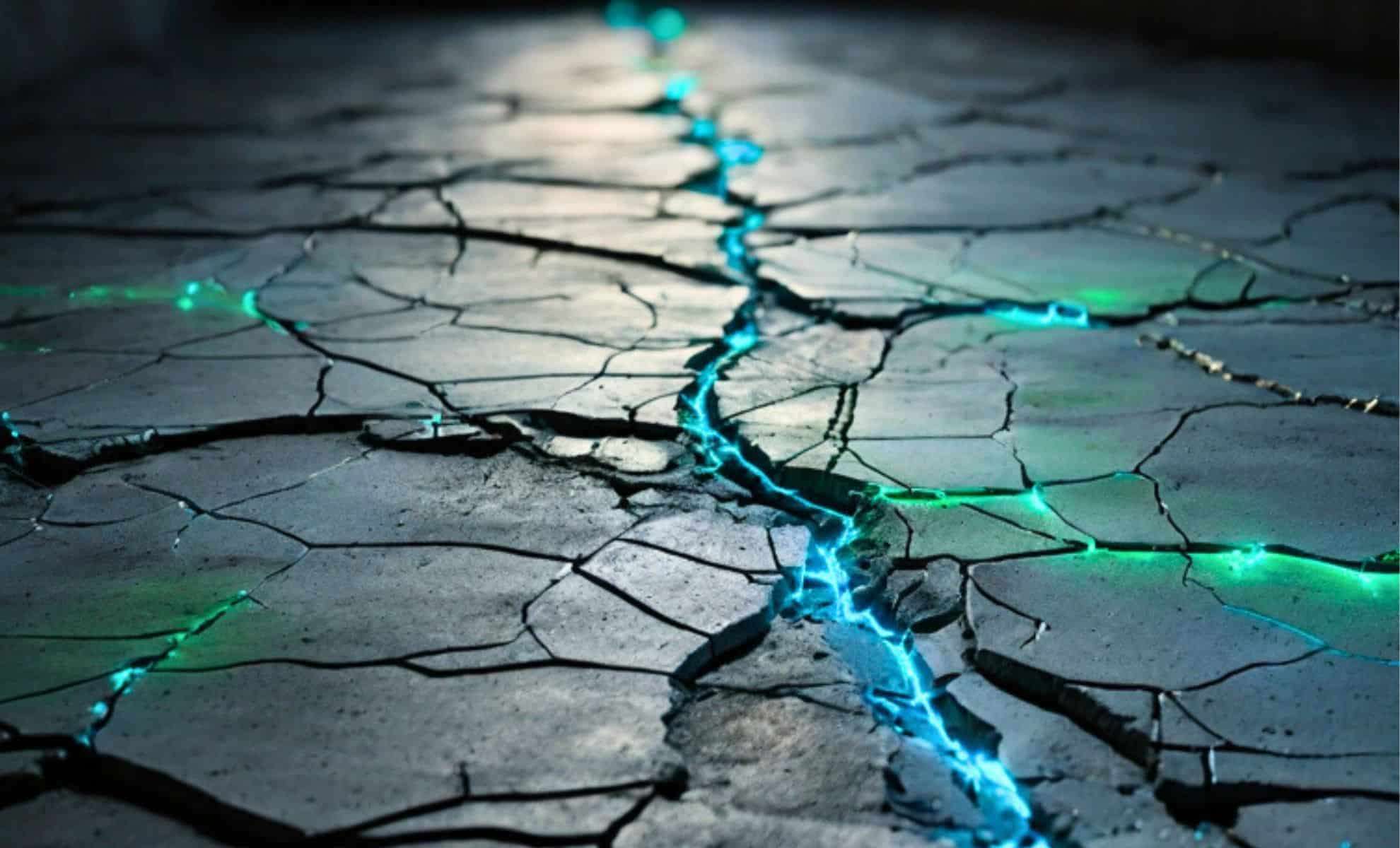
Concrete structures play a crucial role in nuclear reactors globally, serving as barriers to contain radiation and safeguard the environment. Traditionally, the continuous exposure to harsh conditions was believed to cause inevitable structural weakening, creating challenges for upkeep and durability. Yet, groundbreaking findings by scientists at the University of Tokyo indicate that this concrete may possess unexpected resilience.
Radiation as a Catalyst for Concrete Restoration
Conventional wisdom has held that radiation steadily damages concrete, necessitating frequent and costly maintenance. Contradicting this view, new investigations carried out at the Heysham 1 nuclear reactor in the UK reveal that certain types of concrete might have the capacity to heal themselves under neutron radiation.
The discovery centers on quartz crystals, a fundamental ingredient in concrete. When these crystals interact with radiation, they expand and contract at a microscopic scale, a dynamic that appears to reverse some of the material’s wear and tear.

The Role of Quartz in Enhancing Concrete Durability
The makeup of concrete is complex, but quartz emerges as a critical element with innate protective qualities against radiation-induced damage. Detailed X-ray diffraction studies have demonstrated that quartz particles engage in subtle shifts that gradually mend cracks and structural flaws.
This self-repair process suggests that nuclear reactor concrete might resist degradation longer than expected. Radiation exposure itself could stimulate this natural restoration mechanism, potentially prolonging reactor service life by many years.
Implications for Nuclear Facility Management
With 417 operational nuclear reactors worldwide and an additional 62 under development, managing the longevity of these plants is a pivotal concern. The ability of concrete to self-heal could minimize structural impairments and reduce the extent of expensive refurbishments.
Moreover, this insight opens opportunities for engineering nuclear reactors using concrete blends tailored for enhanced radiation resilience. Such advances would be particularly impactful in nations housing extensive nuclear infrastructure, including the United States (94 units), France (57 units), and China (57 units).
Towards Next-Generation Nuclear Materials
The research team at the University of Tokyo plans to broaden their investigations to see if similar self-healing effects occur in other materials exposed to radiation. Confirming this could transform approaches to nuclear construction and maintenance worldwide.
As global energy demands inspire a pivot toward cleaner technologies, nuclear power is experiencing a resurgence. Discoveries like this one in self-mending concrete could make nuclear plants safer, more cost-effective, and sustainable alternatives to fossil fuels.
Could the secret to lasting, safer nuclear reactors rest in the concrete itself? Emerging evidence points toward a promising future defined by self-repairing infrastructure.
The research has been published in Sciencedirect.
- Categories:
- Science







0 comments
Sign in to Comment