
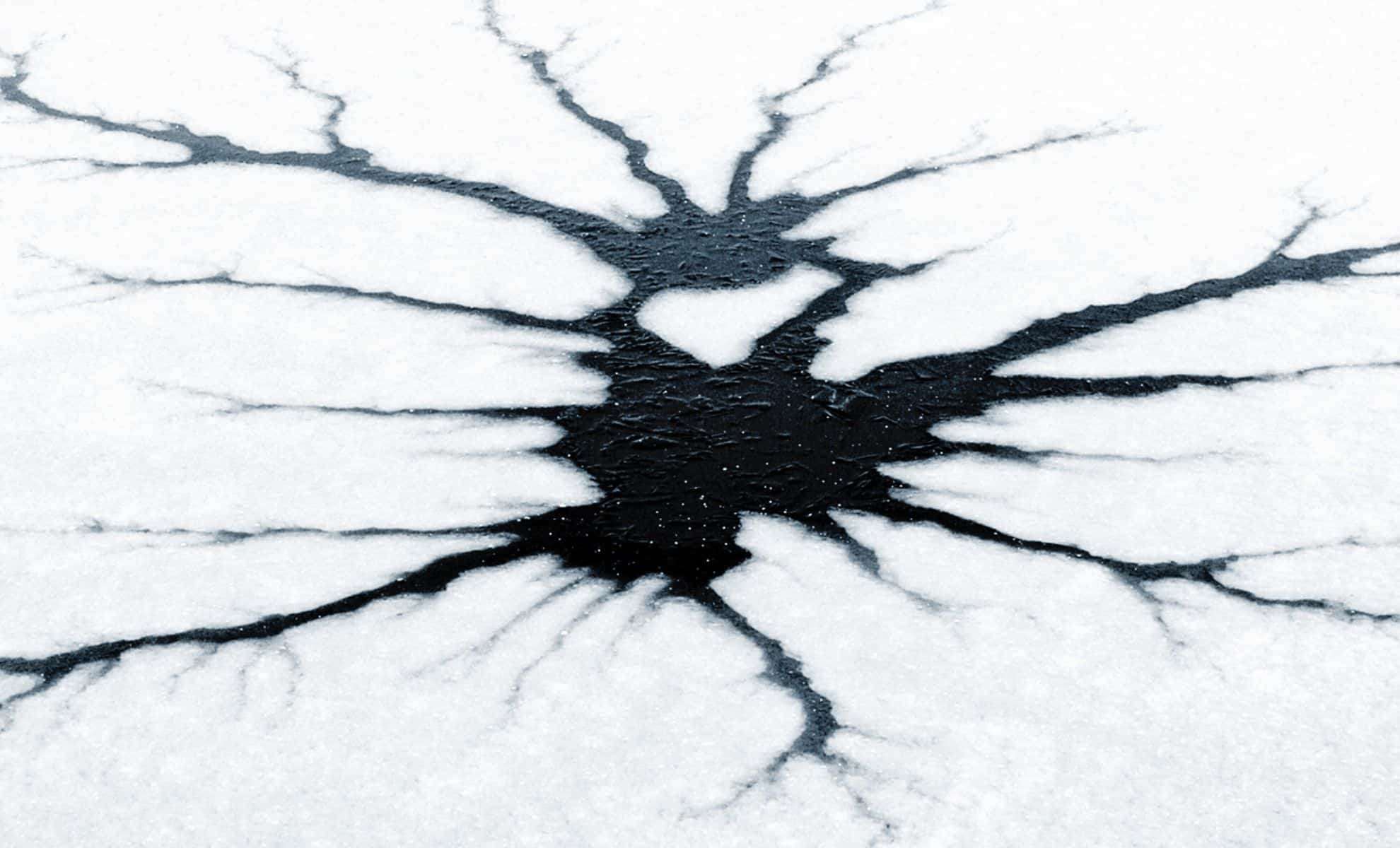
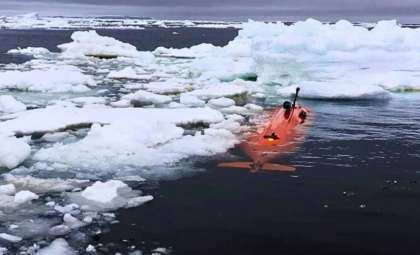
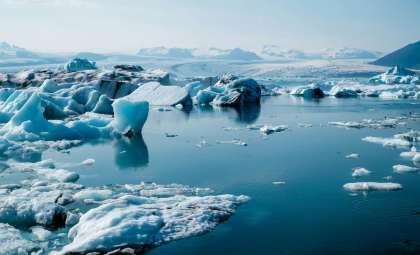
In a remarkable discovery, scientists have identified living microorganisms beneath the ice of Lake Enigma, a secluded and frozen lake in Antarctica. Previously thought to be completely frozen and lifeless, the lake revealed a surprising layer of liquid water residing 11 meters below its surface, sustaining a vibrant microbial ecosystem.
An Unexpected Habitat Under Antarctic Ice
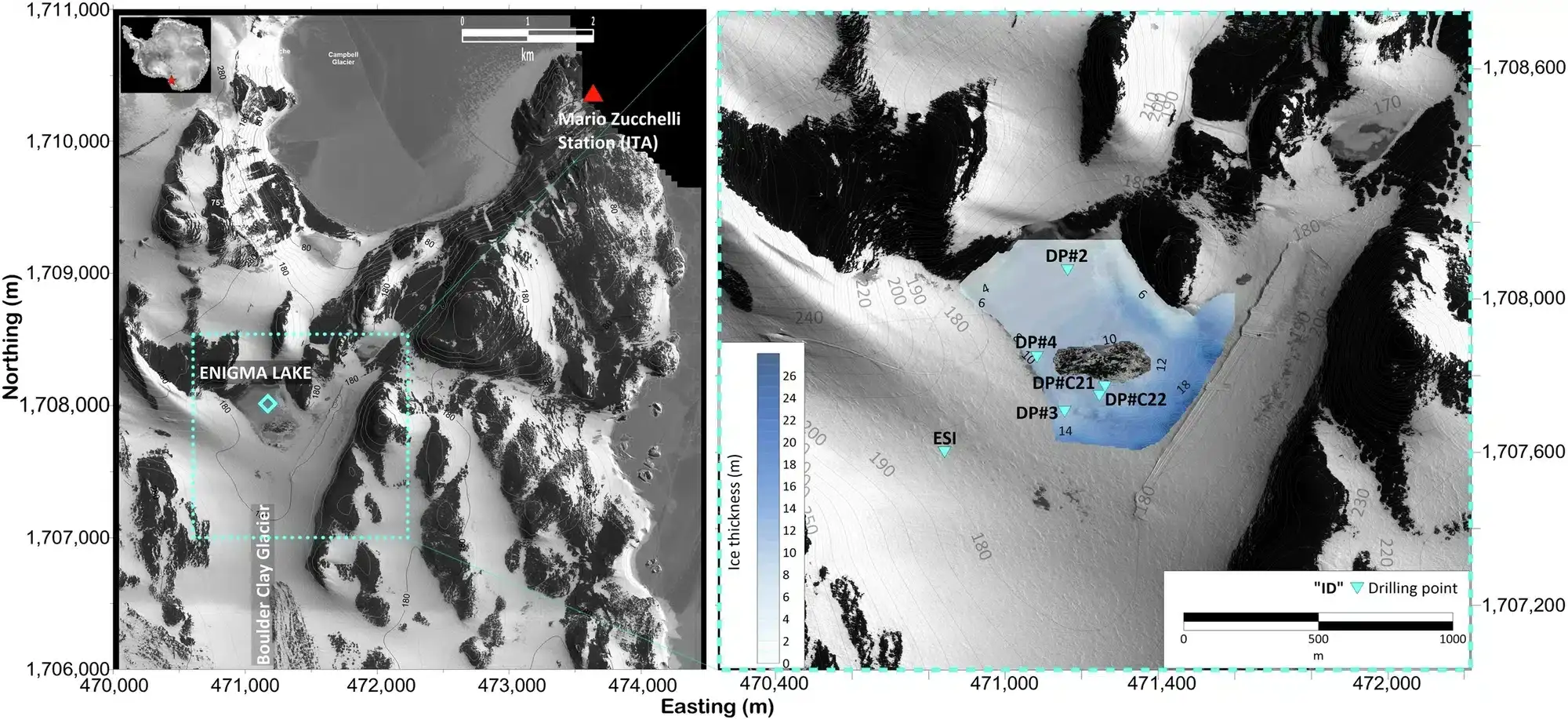
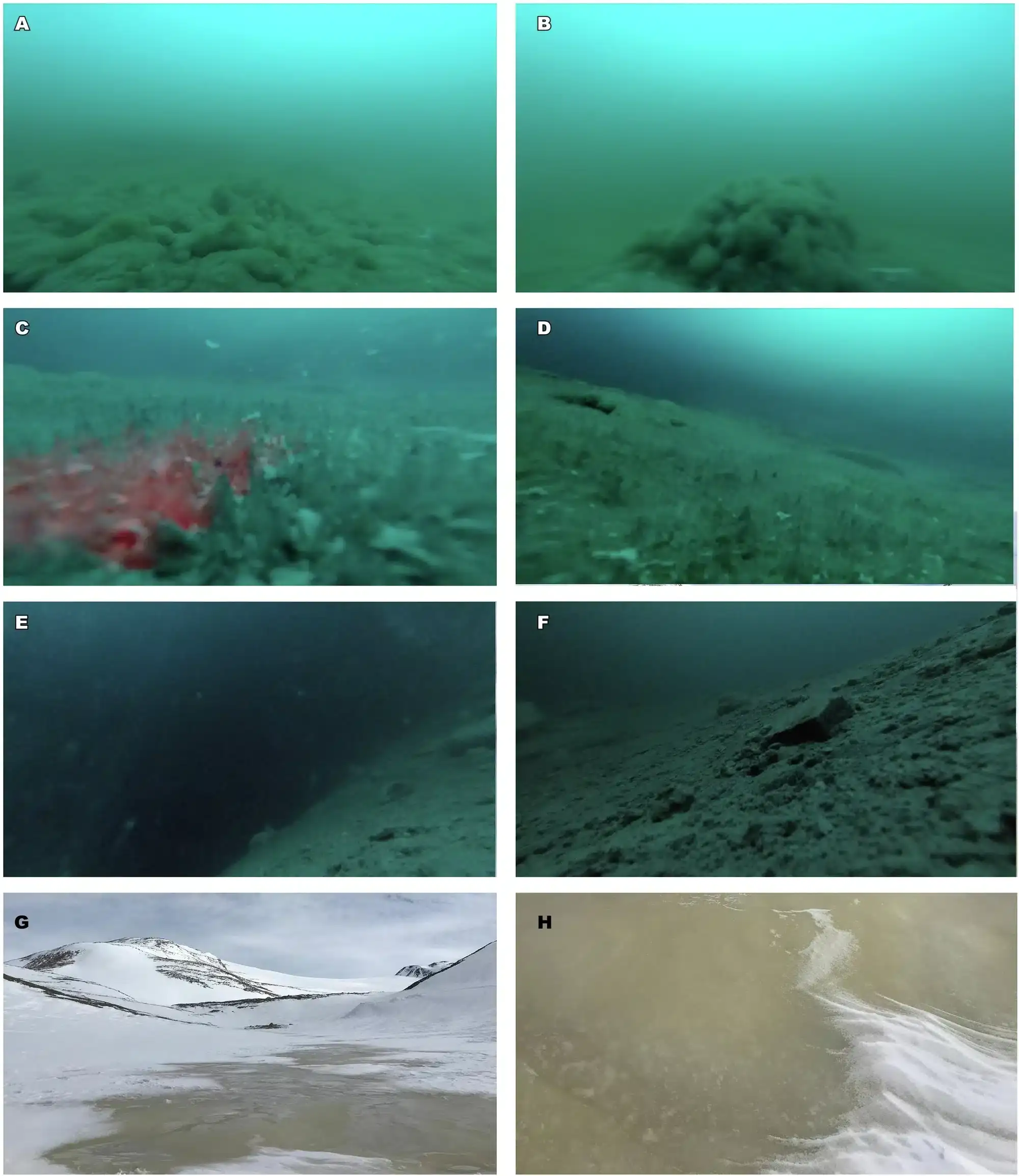
Lake Enigma lies within one of the most extreme regions on our planet and was believed to be barren due to its icy seal lasting thousands of years. However, during expeditions in 2019 and 2020, researchers led by the National Research Council of Italy drilled into the ice and retrieved liquid water samples teeming with diverse microorganisms. Their findings, reported in Communications Earth & Environment, employed ground-penetrating radar to detect the liquid water layer beneath the ice sheet and identified microbes such as Pseudomonadota, Actinobacteriota, Bacteroidota, and Patescibacteria.
“This study describes a unique example of these ecosystems by adding the massive freshwater Lake Enigma, one of the deepest hydrological formations in Victoria Land,” the authors noted.
Add Cosmo Herald as a Preferred Source

These ancient microbes have likely survived isolated for millennia within this frozen ecosystem, adapting to its extreme conditions. Their presence offers valuable insights into forms of life that may have persisted before the lake became ice-covered, acting as a biological time capsule.
A Biological Time Capsule or Persistent Survivors?
The intriguing question is how life managed to endure beneath Lake Enigma for so long. Scientists propose that the lake was once a flourishing aquatic system before being entombed under ice. This prolonged freezing likely created an isolated environment where microbes entered a dormant state, surviving in near-total seclusion.
Adaptations to harsh conditions have enabled these microorganisms to persist, utilizing specialized biochemical strategies to maintain life. Their endurance exemplifies the tenacity of life to persist even in Earth’s toughest habitats.
Implications for Extraterrestrial Life Exploration
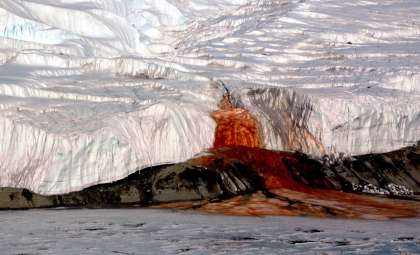
Antarctica’s harsh terrain, especially areas like the McMurdo Dry Valleys, serves as a valuable analogue for studying the potential for life on Mars. The extreme cold and dryness mirror Martian conditions, making these environments ideal for astrobiological research. The newly discovered microbes in Lake Enigma add depth to these studies, indicating that living organisms might survive on other planets or moons with conditions previously deemed unsuitable.
Take, for example, Europa, one of Jupiter’s icy moons, which is believed to harbor a subsurface ocean beneath its frozen shell. The discovery of microbial life thriving beneath Lake Enigma strengthens the possibility that similar life forms could exist beneath Europa’s ice. Upcoming missions like NASA’s Europa Clipper could leverage such Earthly findings to enhance their quest for extraterrestrial life. If microbes can persist for thousands of years in Antarctica’s isolated and frozen aquatic environments, then the possibility of life beneath extraterrestrial ice is increasingly plausible.
- Categories:
- News




0 comments
Sign in to Comment