
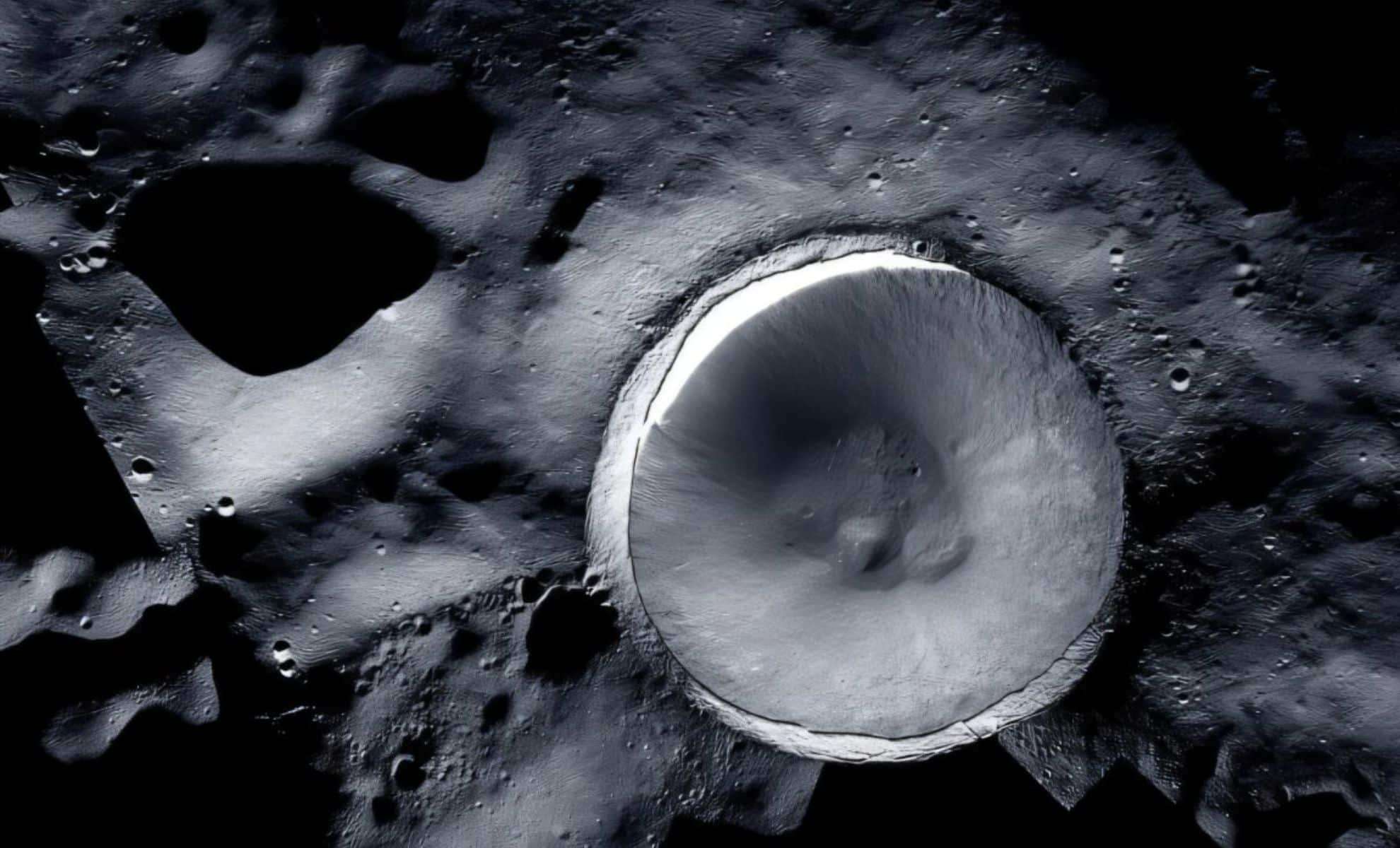
New research proposes that microbial organisms might survive within the Moon’s coldest, darkest areas. Scientists examined the conditions inside permanently shadowed regions (PSRs) near the lunar poles—ancient craters untouched by sunlight for billions of years—and suggest these harsh settings may serve as natural sanctuaries for microbial life. This study, shared at the 56th Lunar and Planetary Science Conference (LPSC 2025) in LPSC abstract #1497, argues that frozen craters could shield microbes from cosmic radiation and temperature extremes, enabling their survival longer than in any other lunar environment.
Potential Havens for Microbial Longevity
The investigation concentrated on two specific PSRs—Shackleton and Faustini—renowned for their frigid temperatures and perpetual darkness. Researchers contend these features protect microorganisms from lethal factors like intense heat and ultraviolet rays typically fatal to microbes in space.
“Generally, high temperatures and UV radiation destroy microbes in space,” explains Dr. John Moores from York University, the study’s principal investigator. “However, the lunar PSRs provide a uniquely cold and shadowed refuge, making them some of the most protective places in the solar system for microbes commonly found on spacecraft.”

Although microbes residing in these areas would remain inactive—unable to reproduce or grow—their spores and organic remains might endure for decades or even centuries.
Implications for Upcoming Lunar Expeditions
NASA’s Artemis program plans to explore these very regions because of promising water ice deposits, essential for sustaining lunar habitats. However, this raises concerns about introducing microbial contamination, both from earlier robotic missions and astronauts themselves.
“While robotic spacecraft can be sterilized quite effectively, decontaminating gear and suits used in human missions is much more challenging,” cautions Moores. “As a result, astronauts entering PSRs are likely to bring greater microbial residues, which may be left behind and preserved longer than anywhere else on the Moon.”
This persistence of microbes could interfere with scientific analyses aiming to study lunar ice or organic compounds believed to come from comets or asteroids.
Maintaining the Scientific Purity of Lunar Shadows
Even though the Moon doesn’t host indigenous life, safeguarding PSRs remains important to protect the validity of scientific investigations.
“The real question is how significant such contamination might be,” Moores adds. “Reducing terrestrial microbial transfer will make this assessment clearer.”
PSRs offer invaluable insights into the early solar system, as future missions seek to examine trapped molecules that reveal how water and organics arrived on airless celestial bodies.
Are Microbes Already Present on the Moon?
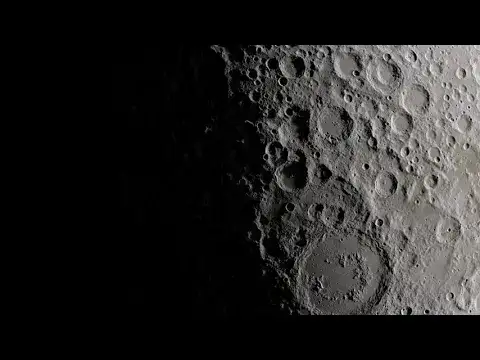
Interestingly, it’s conceivable that microbes have already been deposited in PSRs. Past spacecraft impacts — such as NASA’s LCROSS mission impacting Cabeus crater in 2009 — might have delivered hardy microbial spores capable of surviving impact trauma.
“While the likelihood of terrestrial microbial contamination in PSRs remains low, it is not zero,” Moores states. “Several spacecraft have crashed within or near these shadowed regions… any surviving microbes would potentially be spread across a wide area.”
Expanding Astrobiology’s Horizons on the Moon
Traditionally viewed as barren, the Moon's polar regions are now seen in a new light—as potential lifepreserving vaults. Whether microbes originate from Earth, other sources, or past impacts, their existence could revolutionize lunar scientific understanding.
As human exploration extends into these perpetually shaded craters, balancing discovery with preventing contamination will be critical. The outcomes of such missions might not only transform lunar science but also influence life-detection strategies throughout the solar system.
- Categories:
- News








0 comments
Sign in to Comment