
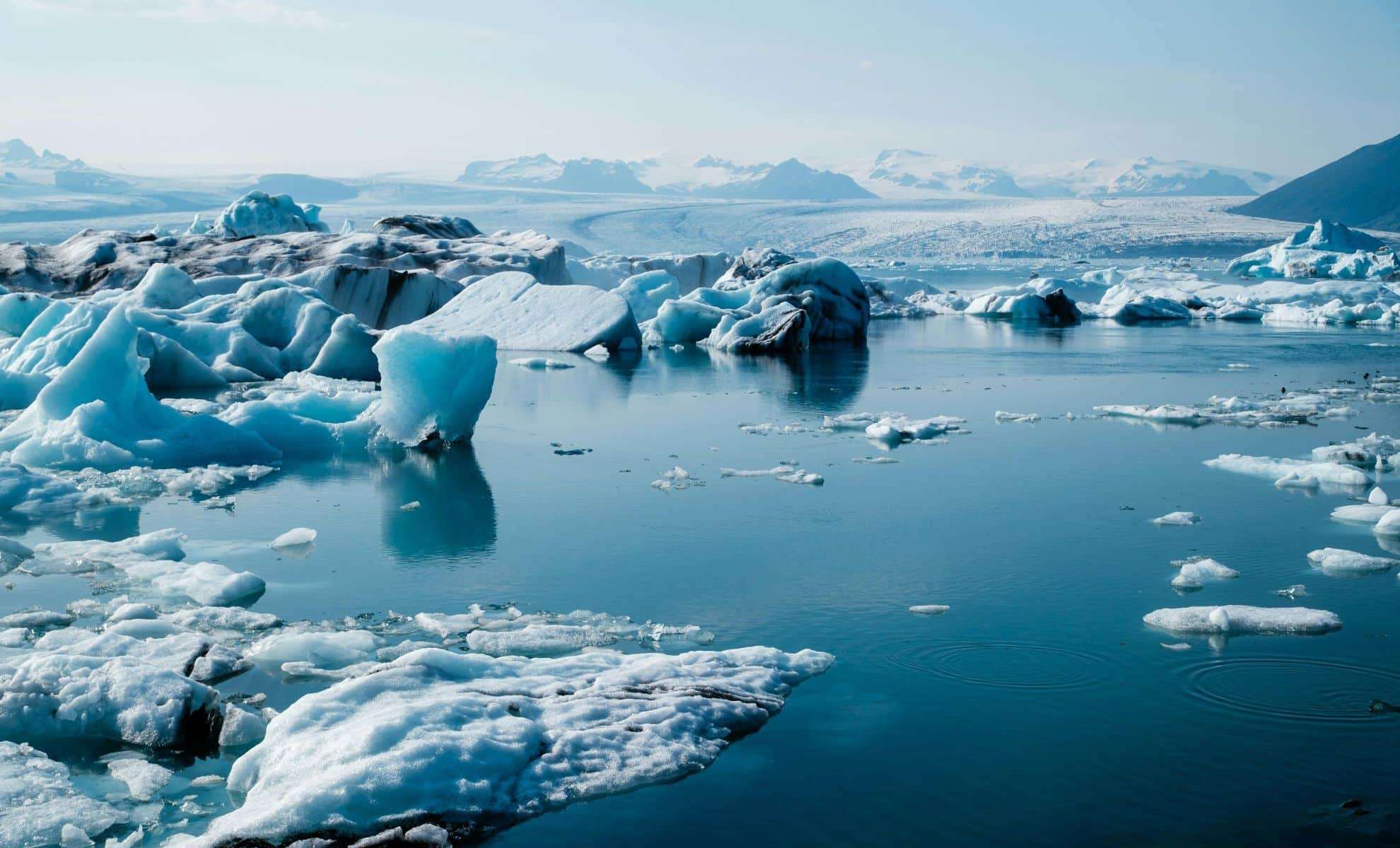
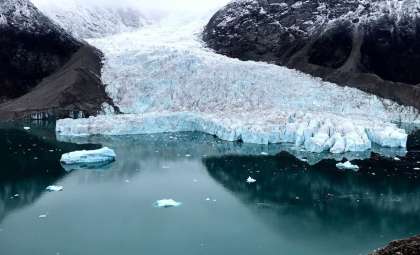
Scientists have made a remarkable discovery beneath a slowly melting glacier in Antarctica, overturning previous beliefs about the region’s sparse biological presence. Traditionally, Antarctica was thought to host only the hardiest microorganisms due to its extreme environmental conditions.
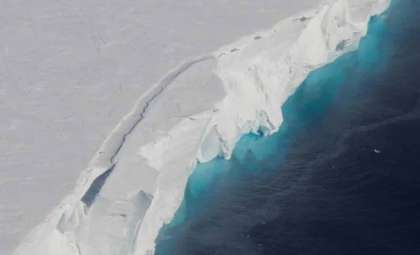
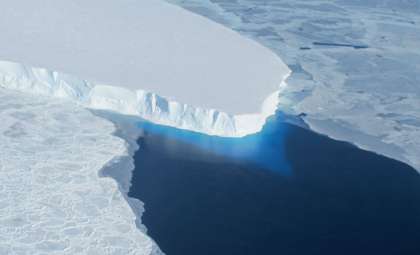
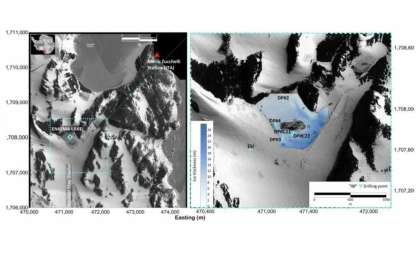
Recent research, however, has uncovered a rich and diverse community of microbial life hidden underneath a glacier in the Larsemann Hills, located along Antarctica’s southern shoreline.
Surprising Life Underneath the Ice
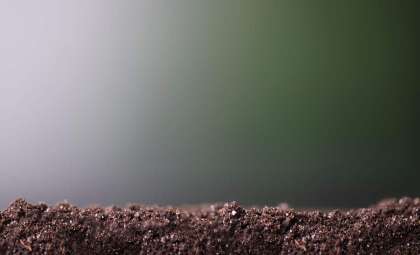
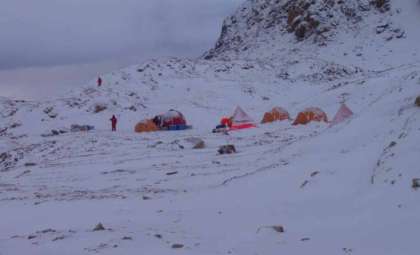
Onboard Germany’s Polarstern research vessel, the team explored soil samples from areas disturbed near the glacier’s edge in the Antarctic Larsemann Hills. Their results, published in the journal Nature under the title “Advocating microbial diversity conservation in Antarctica,” identified an astonishing 2,829 distinct microbial species. This biodiversity is particularly remarkable given the region’s cold temperatures, scarcity of nutrients, and minimal sunlight.

Dr. Dirk Wagner, a co-author and professor affiliated with the GFZ Helmholtz Centre for Geosciences and the University of Potsdam, noted that these findings suggest that Antarctic soil biodiversity has likely been significantly underestimated. The microbes form complex, cooperative networks that allow them to endure one of the driest, coldest, and most nutrient-deficient habitats on the planet.
Complex Interactions Support Life
The study reveals more than just the presence of diverse microbes; it demonstrates intricate ecological interactions that sustain the community. For instance, cold-adapted fungi decompose organic material, supplying vital carbon resources to bacteria.
Furthermore, algae and bacteria engage in nutrient exchange, maintaining a delicate balance across various zones near the glacier. This highly structured ecological web is crucial for survival in such hostile surroundings.
These insights deepen our understanding of how ecosystems develop and persist under extreme conditions, showcasing the adaptive capacities of life where it was once thought impossible. The research also enriches knowledge about Antarctica’s biological history, highlighting a continuously evolving record of life forms that informs scientists about evolution in challenging environments.
The Importance of Preserving Microbial Ecosystems
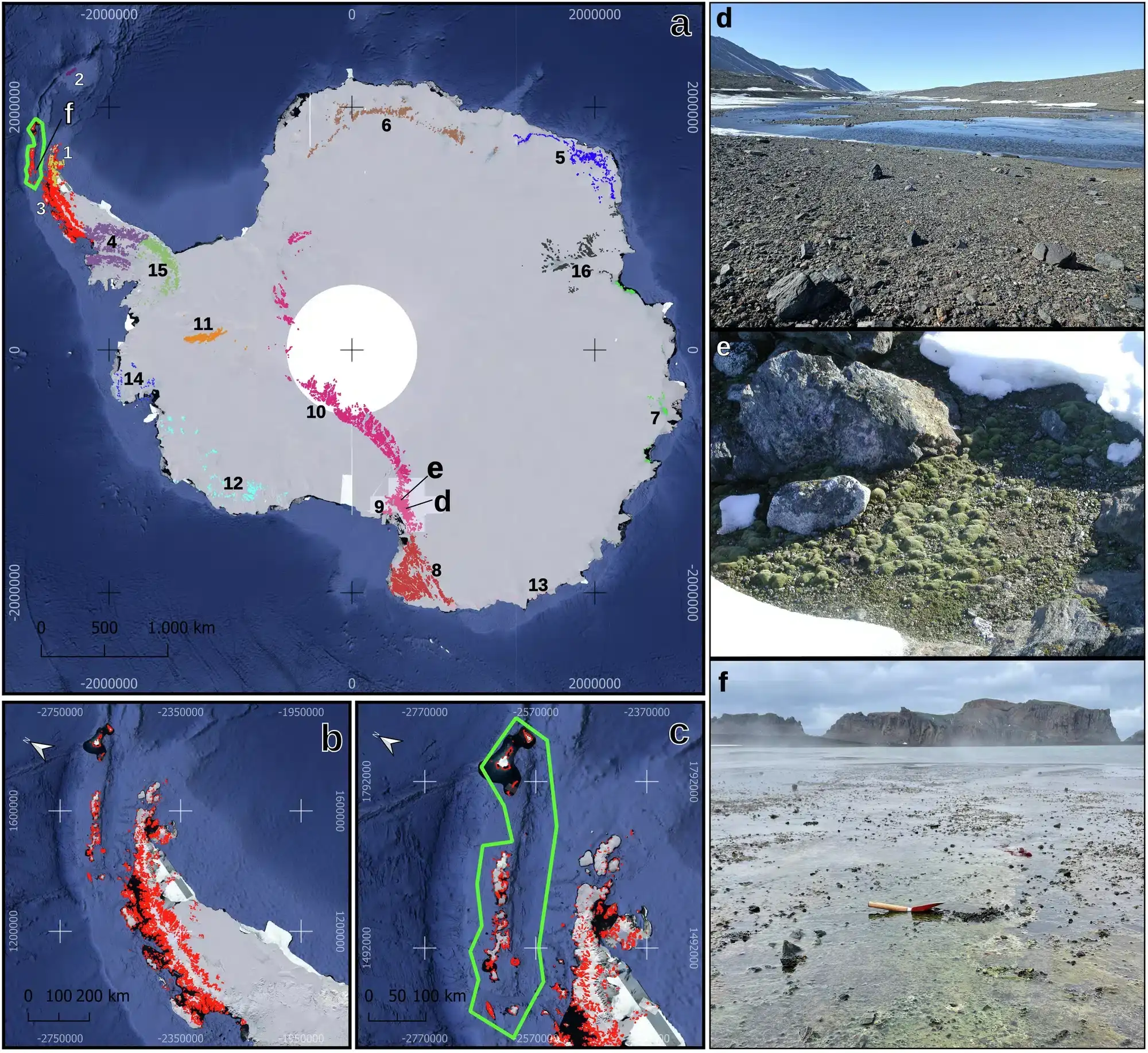
This study’s discoveries arrive at a pivotal moment as scientists emphasize the necessity of protecting Antarctic microbial life. A previous report highlighted the crucial role these microorganisms play in nutrient cycling and carbon storage. Their health is central not only to local ecosystems but also in mitigating the effects of climate change.
The researchers call for enhanced international collaboration and the incorporation of protective strategies into global conservation policies. They stress that these microbial communities are both invaluable and fragile, necessitating immediate action to preserve them for future generations.
- Categories:
- News


0 comments
Sign in to Comment