
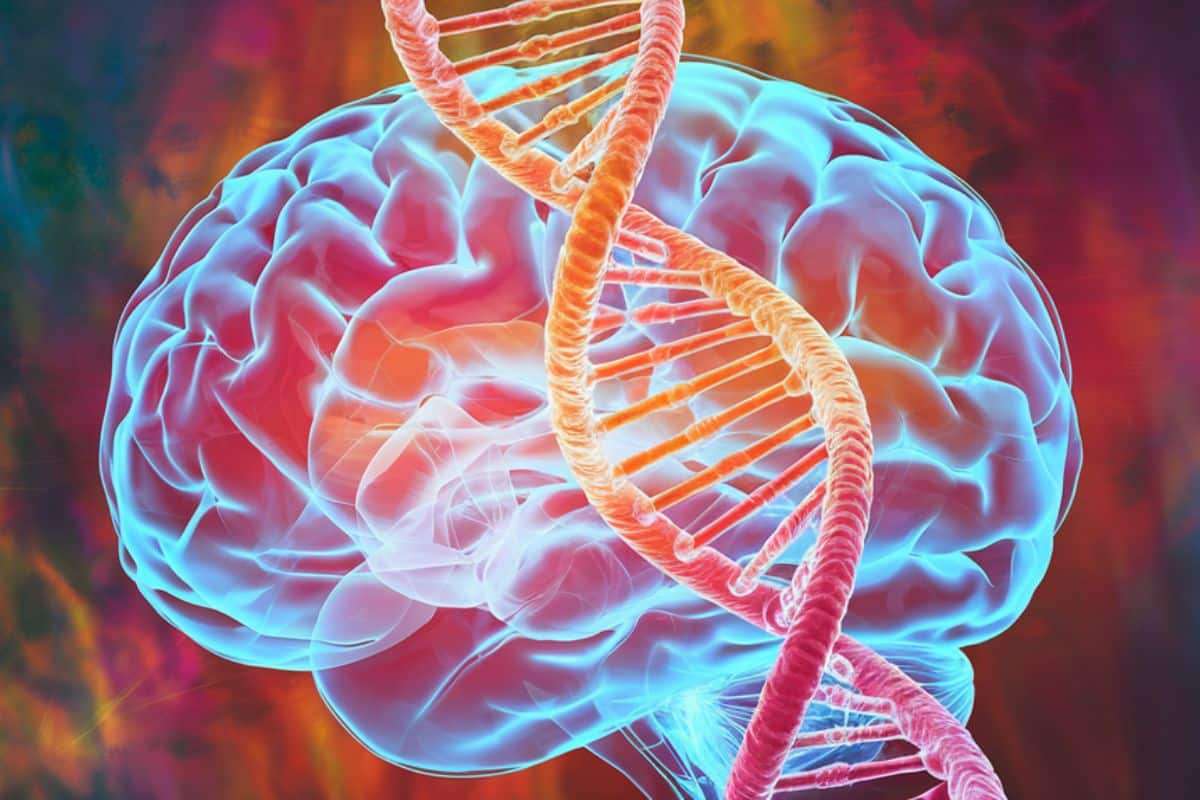
A landmark investigation has uncovered 293 novel genetic markers associated with major depressive disorder (MDD). Drawing on genetic information from over five million participants globally, this finding represents a significant advancement in deciphering the hereditary components of a widespread and often debilitating mental health disorder.
Published in the journal Cell, this study enhances our comprehension of depression’s biological roots and paves the way for more targeted and effective therapies. By customizing treatment strategies based on an individual's genetic makeup, researchers hope to revolutionize depression diagnosis and management.
The Largest and Most Diverse Genetic Analysis to Date
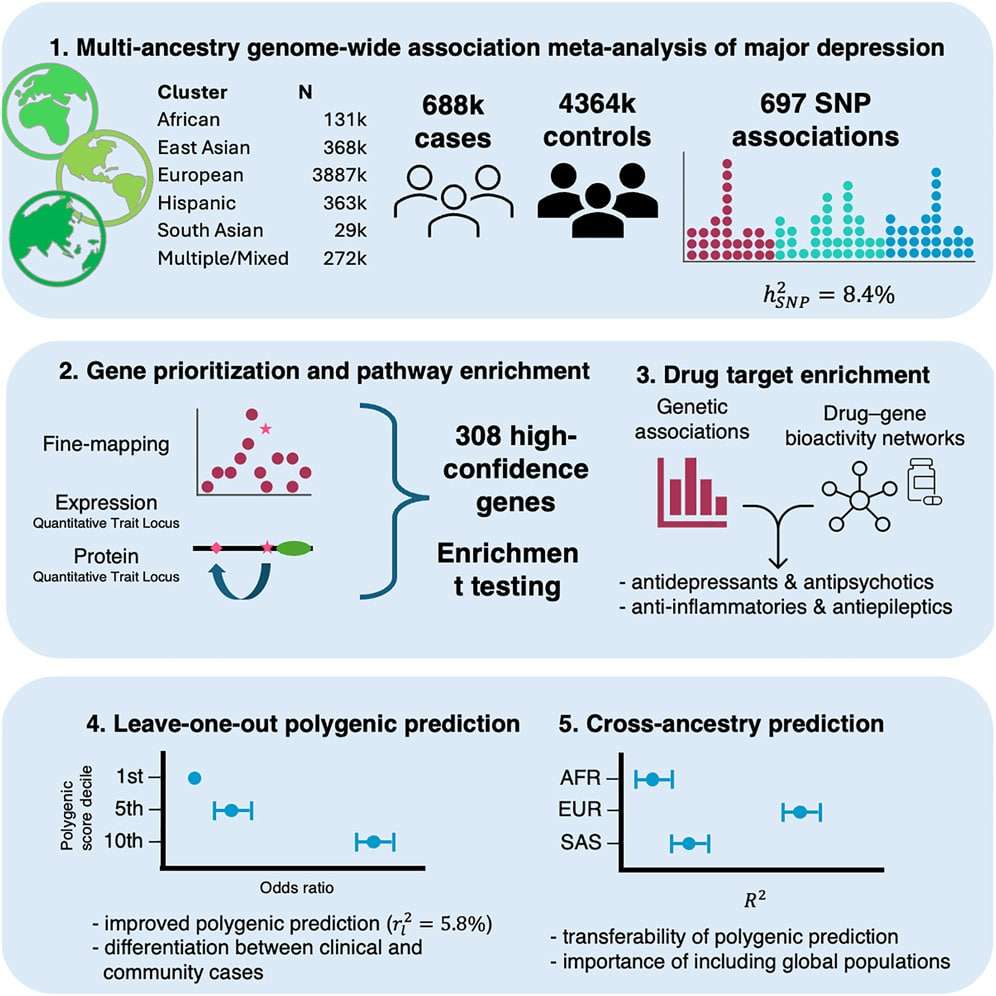
The research is distinguished by its expansive scale and population diversity. Genetic data from 688,808 diagnosed individuals and 4.3 million controls from 29 countries were included. Unlike many prior studies focusing mainly on European descent, this investigation incorporated participants from various ethnic groups.

Approximately 25% of the subjects were from non-European backgrounds, making this the most ethnically comprehensive study of depression genetics to date. The inclusion of diverse populations enabled identification of variants that previous, less inclusive studies might have missed. Consequently, this research advances efforts to estimate depression susceptibility and craft treatments suitable for different demographic groups.
Dr. Andrew McIntosh, a biological psychiatrist at the University of Edinburgh, stressed the significance of this approach: “Larger and more globally representative studies are vital to provide the insights needed to develop new and better therapies, and prevent illness in those at higher risk of developing the condition.”
Understanding Depression's Genetic Architecture
Depression is a polygenic disorder, influenced by the cumulative effects of numerous genes. Each of the newly discovered genetic differences contributes a small effect to overall depression risk. Nonetheless, when combined, these genetic factors can considerably alter an individual's likelihood of developing the condition.
Dr. Cathryn Lewis, a genetic epidemiologist from King’s College London, commented, “These findings show depression is highly polygenic and open up downstream pathways to translate these findings into better care for people with depression.”
The study also draws attention to the complex interaction between genetic risks and lifestyle factors such as sleep habits and nutrition. This comprehensive perspective offers a well-rounded understanding of depression, suggesting new directions for multifaceted treatment options.
Revealing Brain Mechanisms Linked to Depression
The research pinpointed some genetic variants to particular brain cells, especially excitatory neurons within critical regions including the hippocampus and amygdala. These areas are essential for emotional regulation, memory function, and stress response—key elements in mental health disorders.
By establishing these genetic connections to brain structures, this study delivers insights on how depression may co-occur with neurological disorders like anxiety and Alzheimer’s disease. These findings could shape future research into prevention and treatment strategies for these interconnected conditions.
How Diversity in Research is Transforming Mental Health Science
A key highlight of this investigation is its commitment to inclusivity. Historically, genetic studies have predominantly involved European-descended populations, limiting their applicability worldwide. This research establishes a new benchmark for diversity and fairness in science.
Incorporating varied populations is crucial for tackling global health inequities. Improved prediction of depression risk and the development of universally effective therapies can greatly alleviate the worldwide impact of mental illnesses.
Future Directions Following This Major Discovery
With depression affecting millions and carrying significant societal burdens, the identification of these 293 genetic links represents a pivotal advancement in decoding the disorder.
As Dr. Lewis observed, “Depression is a highly prevalent disorder, and we still have a lot to learn about its biological underpinnings.” The role of genetics is now central in depression research, promising the potential for groundbreaking improvements in treatment and prevention.
- Categories:
- Health












0 comments
Sign in to Comment