

Recent research highlights that consuming caffeine in excess of 400 milligrams daily—around the amount in a large coffee—may pose serious risks to heart health, even among those without preexisting conditions.
Presented at the American College of Cardiology conference in Delhi, India, the findings reveal that sustained high caffeine intake could cause increased blood pressure and accelerated heart rates, endangering cardiovascular well-being over time.
High Caffeine Use Associated with Elevated Cardiovascular Strain
Conducted by Nency Kagathara of Zydus Medical College and Hospital, the study investigated how elevated caffeine consumption impacts the heart and blood vessels in a sample of 92 healthy adults aged 18 to 45. Though participants started with normal cardiovascular measures, those consuming beyond the recommended 400 mg daily caffeine limit showed heightened blood pressure and heart rates following an exercise challenge.

The team utilized a three-minute step exercise to assess cardiovascular response. Notably, individuals ingesting over 600 mg of caffeine per day—comparable to nearly six cups of coffee or a pair of energy drinks—exhibited significant cardiovascular stress even five minutes post-exercise, underscoring the potential for long-term cardiac damage irrespective of baseline health.
“Routine caffeine consumption may disrupt parasympathetic nervous function, leading to raised heart rate and blood pressure,” Kagathara explained. This disturbance is especially troubling since it can contribute to hypertension, a common precursor to heart disease, heart failure, and renal complications.
Reevaluating Safe Caffeine Thresholds
Although agencies like the U.S. Food and Drug Administration (FDA) regard up to 400 mg of caffeine daily as safe for most adults, this new study calls that standard into question. Even participants adhering to the limit displayed signs of cardiovascular strain. Women in urban business roles showed particularly high intake, with some exceeding 600 mg per day, correlating with marked increases in blood pressure and heart rate after exertion.
The research prompts further inquiry into caffeine’s long-term effects on the autonomic nervous system. Kagathara noted, “Due to its impact on autonomic regulation, regular caffeine exposure could elevate risk for hypertension and related heart events, even in healthy individuals.”
The findings also highlight individual differences in caffeine sensitivity, meaning amounts safe for some may pose hazards for others. Health authorities like the Mayo Clinic suggest monitoring caffeine intake, especially for those consuming multiple caffeinated drinks daily.
The Long-Term Threat of Hypertension to Cardiovascular Health
Hypertension, often called high blood pressure, gradually damages cardiac health if untreated. Persistent high blood pressure strains the heart, raising risks for heart attacks, strokes, and heart failure. The American Heart Association lists hypertension among the top causes of global mortality.
Kagathara’s work links caffeine intake with elevations in blood pressure, mediated by stress hormones like noradrenaline and epinephrine, which increase cardiac workload. Prolonged exposure can injure blood vessels and hamper heart function efficiency.
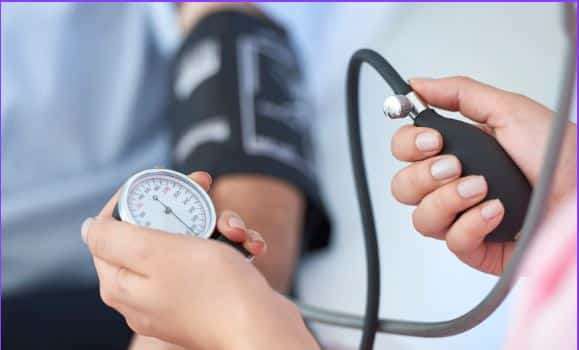
Dr. Benjamin Hirsh, preventative cardiology chief at North Shore University Hospital, described the findings as “remarkably important.” He cautioned that high caffeine consumption could quietly harm many. “This research underscores that overconsumption of coffee can elevate hypertension and trigger arrhythmias, posing heart risks over time,” he added.
Caffeine’s Dual Role: Positive Effects and Potential Harm
While this study highlights cardiovascular concerns, caffeine also offers benefits. It can boost mood, focus, and productivity, with research linking moderate intake to reduced risk of certain cancers and lower premature mortality rates.
Nonetheless, the heart-related drawbacks of consistent, high-dose caffeine may counteract these advantages, especially for those with predispositions to heart disease or high blood pressure. This presents a dilemma for habitual caffeine consumers balancing immediate gains against long-term health.
Maintaining Heart Health: Managing Caffeine Sensibly
This research emphasizes the importance of mindful caffeine consumption. Moderation remains essential, particularly for those relying heavily on coffee, tea, energy drinks, or sodas to power through their day.
Experts recommend pairing caffeine intake with regular physical activity, a balanced diet, and effective stress reduction strategies to mitigate hypertension risk. When lifestyle adjustments fall short, medication may be needed to regulate blood pressure.
Dr. Hirsh concluded, “While caffeine can aid productivity, prioritizing cardiovascular health is crucial.” Awareness of how caffeine affects the heart is vital for long-term well-being.











0 comments
Sign in to Comment