
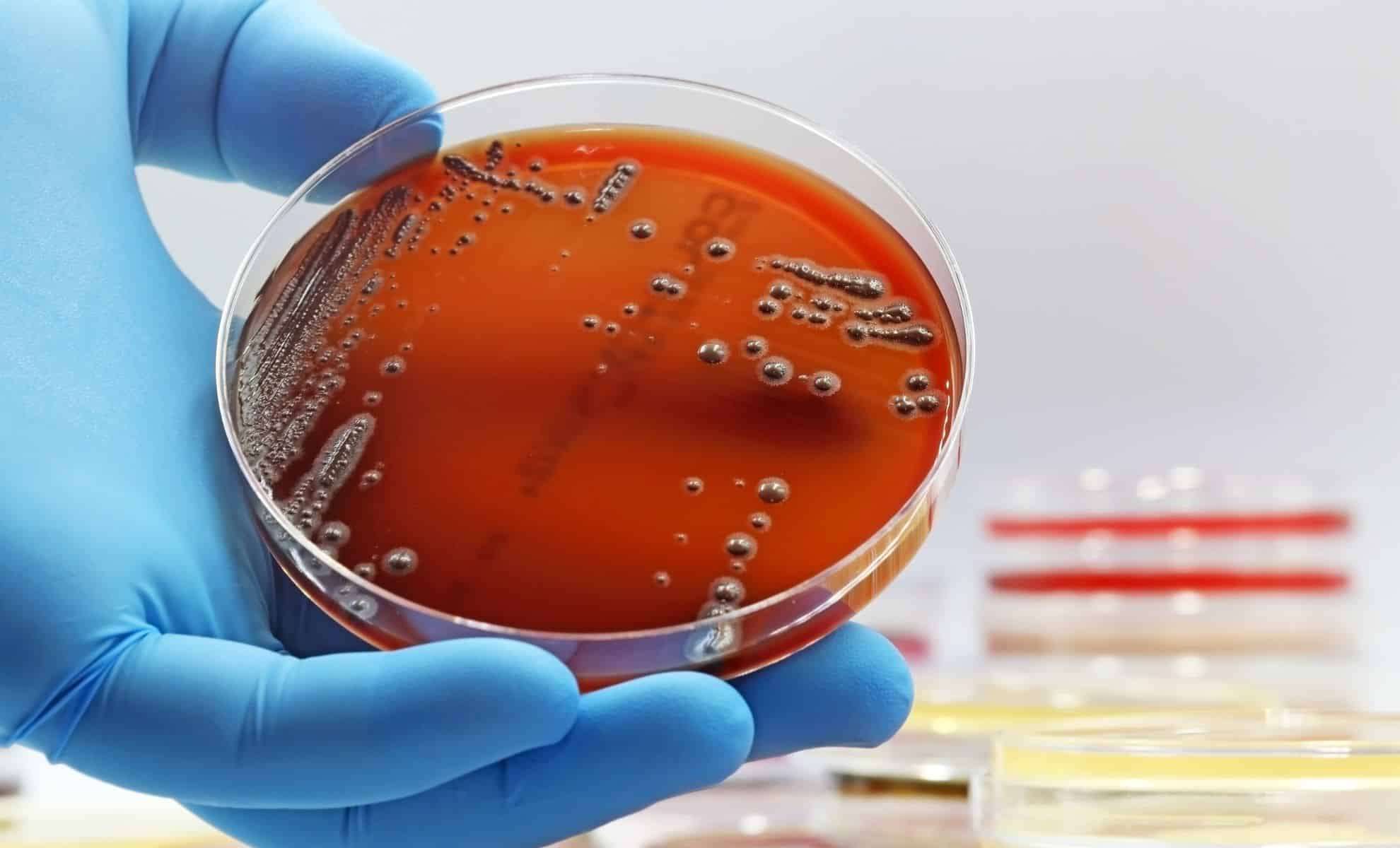
A coalition of 38 leading scientists, spanning fields from synthetic biology to planetary science, has soundly cautioned against the advancement of mirror-image bacteria. These engineered microbes, featuring molecular structures that are exact reversals of natural life, could pose unprecedented hazards. Though this notion sounds like science fiction, experts highlight the grave risks of developing organisms that might evade immune defenses, resist antibiotics, and bypass natural biological safeguards. Termed a “dramatic divergence from conventional life,” mirror bacteria present both an intriguing scientific puzzle and a potentially uncontrollable threat.
This warning was detailed in a comprehensive report featured in Science, grounded on extensive technical analysis. While purely speculative and not expected to materialize for at least ten years, researchers advise restraint before venturing into a territory that could alter biology and jeopardize ecosystems worldwide.
Understanding Mirror-Image Bacteria: Flipping Life’s Molecular Blueprint
At the core of this concern lies chirality, the property of molecular handedness. All known life adheres to a strict pattern: DNA and RNA feature right-handed molecules, while proteins are built from left-handed amino acids. This precise uniformity is critical for biological function.

Mirror bacteria, conversely, would invert this standard. Their entire molecular composition would be a mirror-image of natural organisms. Although still hypothetical, this concept is actively explored within synthetic biology due to its potential to deepen our understanding of life’s origins and offer novel paths in medicine, biotechnology, and astrobiology.
The key distinctions between natural bacteria and these theoretical mirror counterparts highlight the scale of this shift:
Contrasting Traits of Natural and Mirror Bacteria
“Motivated by scientific curiosity and practical aims, certain research teams have initiated efforts to construct life forms composed entirely of mirror-image biomolecules,” the study’s authors noted in Science.
Engineering mirror bacteria remains a highly complex challenge, though progress in synthetic biology, gene editing, and molecular design makes it increasingly plausible. Despite the potentially long timeline, experts emphasize that the conversation around risks must begin now.
The Threat Posed by Mirror Bacteria: A Stealthy and Durable Danger
Foremost among concerns is the possibility that mirror bacteria could slip past immune surveillance and cause widespread ecological disruption. Immune systems function by identifying specific molecular configurations of pathogens; mirrored molecular structures may evade this recognition entirely.
Jonathan Jones, leader at The Sainsbury Laboratory and coauthor of the report, encapsulated the danger:
“It’s a genie you don’t want to let out of the bottle. The risk of something bad happening is low, but the consequences of something bad happening are really awful.”
The authors warn that mirror bacteria could mutate unpredictably and evolve mechanisms to survive against natural bacteriophage viruses and antibiotics, making them exceptionally perilous.
“We cannot dismiss a scenario where mirror bacteria become invasive agents, causing severe infections across numerous plant and animal species, including humans,” the report emphasizes.
Highlighted Risks:
- Immune evasion: These bacteria might go unnoticed, leading to deadly infections in humans and animals.
- Environmental impact: Mirror bacteria could spread uncontrollably, devastating ecosystems and agriculture.
- Resistance to treatments: Conventional antibiotics and biological controls may fail against them.
Such risks are not mere speculation but founded in biochemical logic. Even initially harmless mirror bacteria could evolve rapidly into aggressive invasive species.
Calls for Moratorium on Mirror Bacteria Development
The research coalition argues that pursuing the creation of mirror bacteria transcends ethical boundaries and poses serious practical dangers. While scientific exploration is essential, the potential harms far overshadow uncertain benefits.
“As mirror organisms represent an unprecedented biological novelty, their synthesis demands thorough ethical and safety evaluations,” the authors assert.
They advocate for an immediate suspension of all efforts aimed at fabricating mirror bacteria until comprehensive risk assessments and containment strategies are established. Additionally, funding bodies are urged to withhold support from such projects given the near impossibility of containment post-creation.
Balancing Scientific Innovation with Ethical Responsibility
For those in synthetic biology, mirror bacteria offer fascinating avenues to uncover the underpinnings of life and develop groundbreaking therapies. However, this opportunity raises urgent ethical dilemmas: Is pursuing this line of research justified when it might threaten ecosystems and human health?
Past technological breakthroughs—from nuclear power to genetic engineering—underscore the necessity of oversight to avoid unintended fallout. Mirror bacteria may unlock revolutionary science but also carry the risk of ecological devastation and uncontrollable outbreaks.
Scientists propose a measured approach that combines stringent oversight, transparent evaluation, and clear policies to prevent risky experimentation. As Jonathan Jones cautioned, once created, mirror bacteria may become impossible to confine.









0 comments
Sign in to Comment