
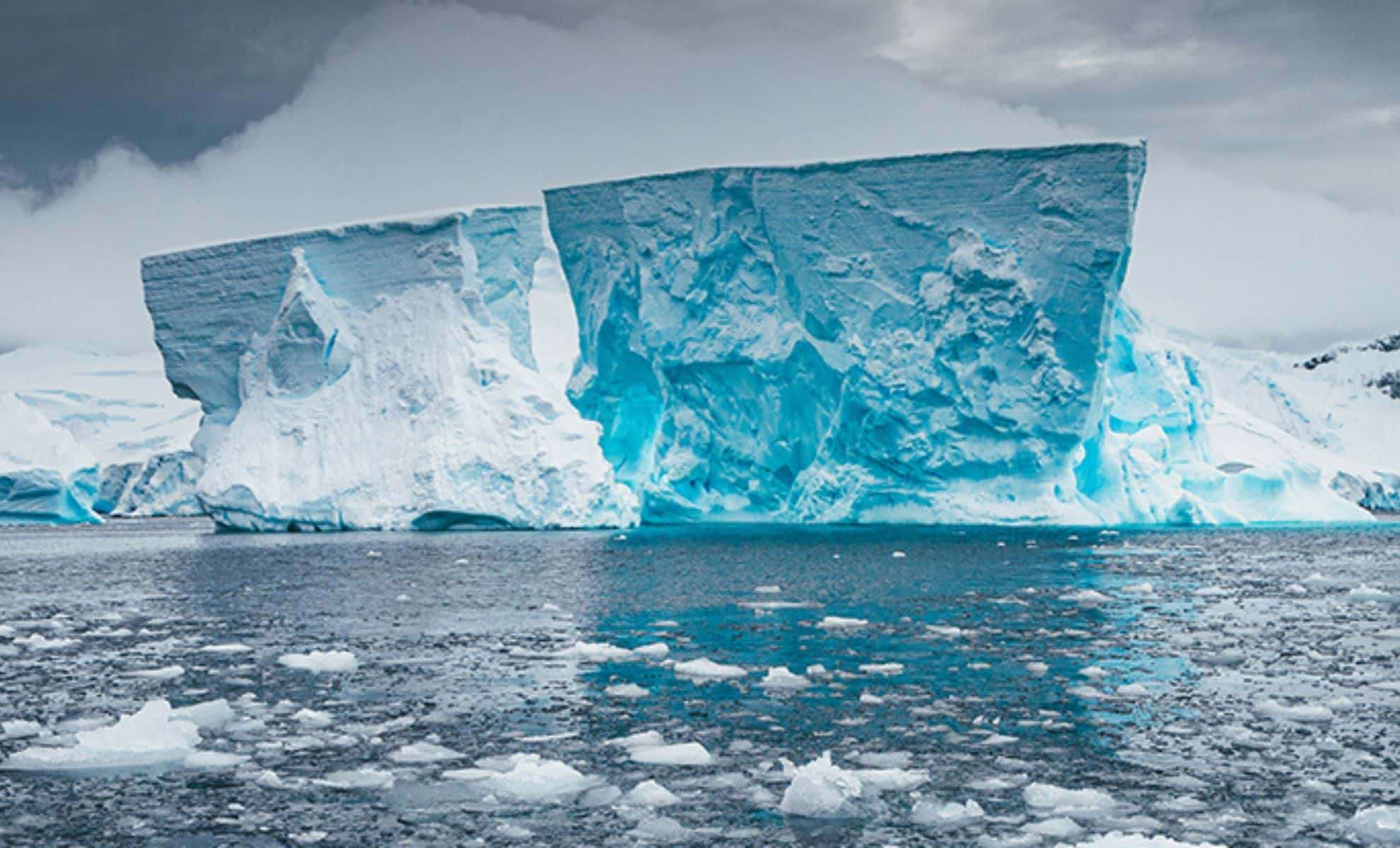
Groundbreaking research has identified a critical threshold in Antarctic ice melt, revealing that the influence of warm ocean currents beneath ice sheets has been significantly underestimated. This has profound consequences for predicting global sea level changes and climate models.
Key Findings from Latest Investigations
Researchers at the British Antarctic Survey (BAS) have pinpointed an important tipping point involving the melting of Antarctic ice shelves caused by warm seawater penetrating the interface between the ice and bedrock below.
Featured in Nature Geoscience, these findings indicate that existing climate frameworks, including those utilized by the United Nations’ Intergovernmental Panel on Climate Change (IPCC), have overlooked this mechanism, leading to systematic underestimation of ice loss. Alexander Bradley, the study’s lead researcher, commented, “Every tenth of a degree increase pushes these processes, these tipping points, closer.”

The analysis demonstrates that even minor rises in ocean temperature can trigger pronounced and potentially irreversible ice sheet melting. This happens as warm seawater infiltrates the "grounding zone"—the junction where ice rests on land—advancing inland beneath floating ice shelves.
This process fuels accelerated melting from beneath, intensifying overall ice loss. Bradley added, “Ocean temperature rises can cause a tipping point beyond which seawater infiltrates uncontrollably beneath the ice sheet, triggering runaway melting.”
How Melting Happens and Its Implications
Antarctic ice sheets are anchored to bedrock but extend seaward where they float atop the ocean. When warm seawater reaches the grounding zone, it can move far inland underneath the ice, worsening melting. This is notable because it can transpire even with subtle ocean warming.
The study revealed that an ocean temperature increase by a mere fraction of a degree could markedly expand seawater penetration, from hundreds of meters to several kilometers. Antarctic’s distinct topography, featuring valleys and depressions, facilitates seawater pooling beneath the ice and enhances melting.
The Pine Island Glacier, a major contributor to global sea level rise, is especially at risk due to its geography. Its bedrock slope allows warm seawater easier access beneath the glacier, accelerating melting rates. Should melting surpass ice formation, pronounced sea level rise could follow rapidly. Current models may not fully capture this complexity, potentially underestimating future increases.
Consequences for Sea Level and Climate Forecasts
This newly discovered tipping point highlights the urgent necessity to revise scientific models to more accurately assess the threat of sea-level rise. Present frameworks that don’t simulate melting beneath grounded ice are likely to underestimate future sea level scenarios.
Bradley stressed the importance, stating, “We’ve found a new tipping point in Antarctic ice melt that means our sea level projections may be too low.”
Improving these climate models is essential for refining sea level predictions and crafting effective environmental policies. The recent Antarctic ice declines, including record lows in 2017 and 2023, underscore the immediate challenge. As Bradley noted, “This aspect of melting physics is missing in current ice sheet models. They can’t yet simulate melting beneath grounded ice, but we are working to integrate this capability.”
Looking Ahead: The Need for Immediate Action
These revelations reinforce the critical need for prompt and decisive climate measures to avoid surpassing these vital tipping points. With rising ocean temperatures driven by human-induced climate change, the risk of uncontrollable ice loss escalates, threatening coastal populations worldwide.
Bradley emphasized urgency: “This highlights the necessity for swift climate intervention to prevent crossing these dangerous thresholds.”
Meeting these challenges calls for global collaboration and sustained efforts to cut greenhouse gas emissions and mitigate climate impacts. Incorporating fresh data into climate models will enhance our capacity to forecast and manage sea level rise and related risks, helping communities prepare for evolving environmental realities. Continuing advancements in research and modeling will be key to developing strategies that protect vulnerable areas from the most severe outcomes of climate change.
- Categories:
- News ,
- Science ,
- Climate change












0 comments
Sign in to Comment