
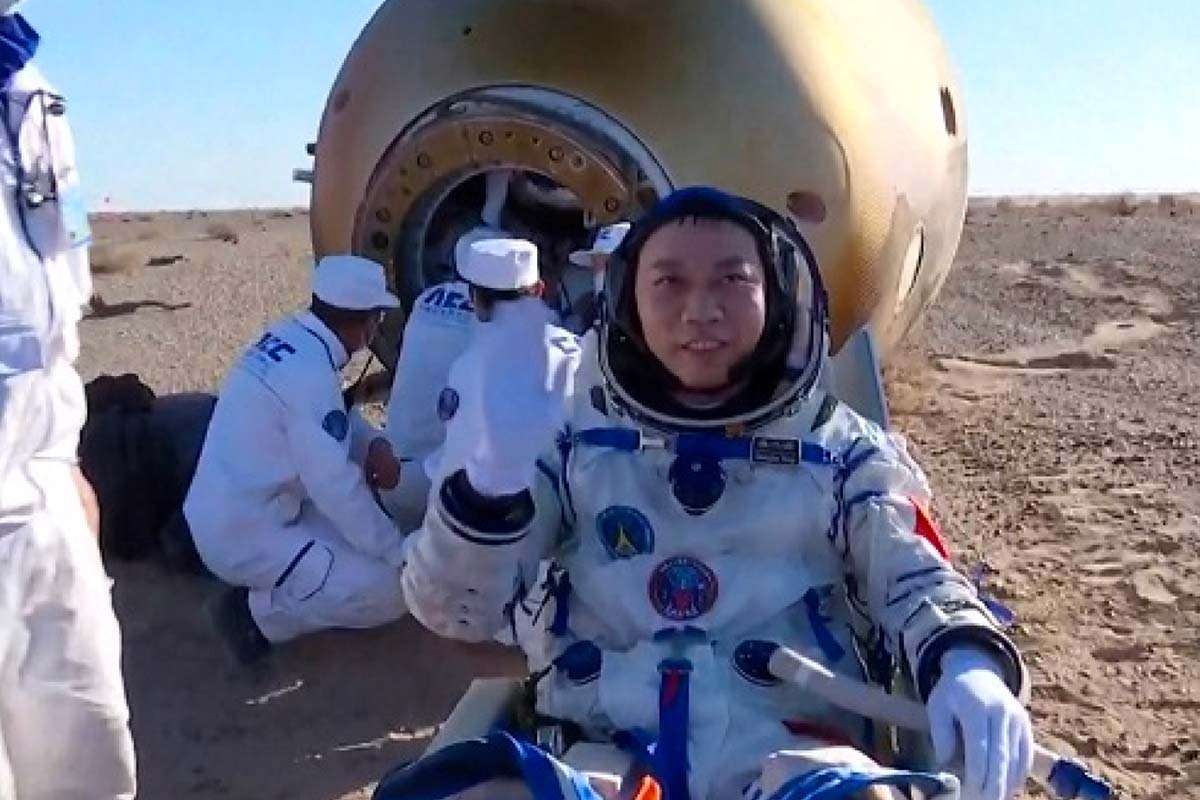
The trio of astronauts aboard Shenzhou-17—Tang Hongbo, Tang Shengjie, and Jiang Xinlin—have safely returned to Earth after a six-month mission on China's Tiangong space station. Their journey highlights China's escalating role in space exploration and signifies a key achievement within its space endeavors.
Landing Details and Mission Highlights
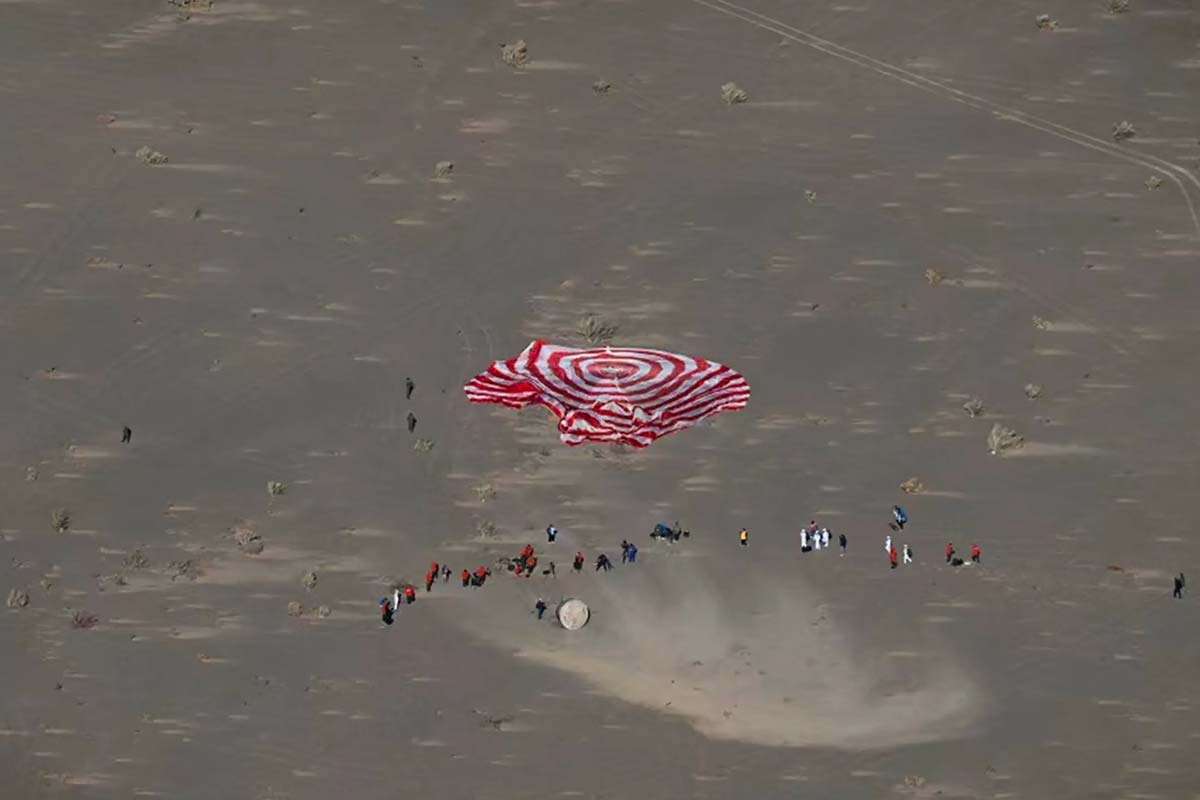
The crew successfully touched down at the Dongfeng landing site in Inner Mongolia, wrapping up their extended stay in orbit. Throughout the mission, they conducted a variety of scientific studies, including brainwave monitoring to understand how space travel affects neural activity. Additionally, they performed crucial maintenance on the station’s solar arrays to ensure continued power supply.
Tiangong Space Station: Current Role and Future Ventures
This expedition exemplifies China’s rapid advancements in space technology and its ambition to become a leading spacefaring nation. The Tiangong station, constructed in less than two years, is pivotal to China’s long-term vision that includes lunar exploration missions and sample-return projects from Mars.

Global Collaboration and Rivalries in Space Exploration
Following China’s exclusion from the International Space Station program, Tiangong has become a symbol of the country’s independent space ambitions. The station is expected to serve as a platform for international cooperation and potentially accommodate space tourists. As the International Space Station approaches retirement, Tiangong is poised to be the sole manned orbital facility for the foreseeable future.
Ultimately, the Shenzhou-17 crew’s safe return marks a pivotal chapter in China’s space journey, reflecting its expanding expertise and dedication to space innovation.
- Categories:
- Astronomy ,
- News ,
- Space



0 comments
Sign in to Comment