
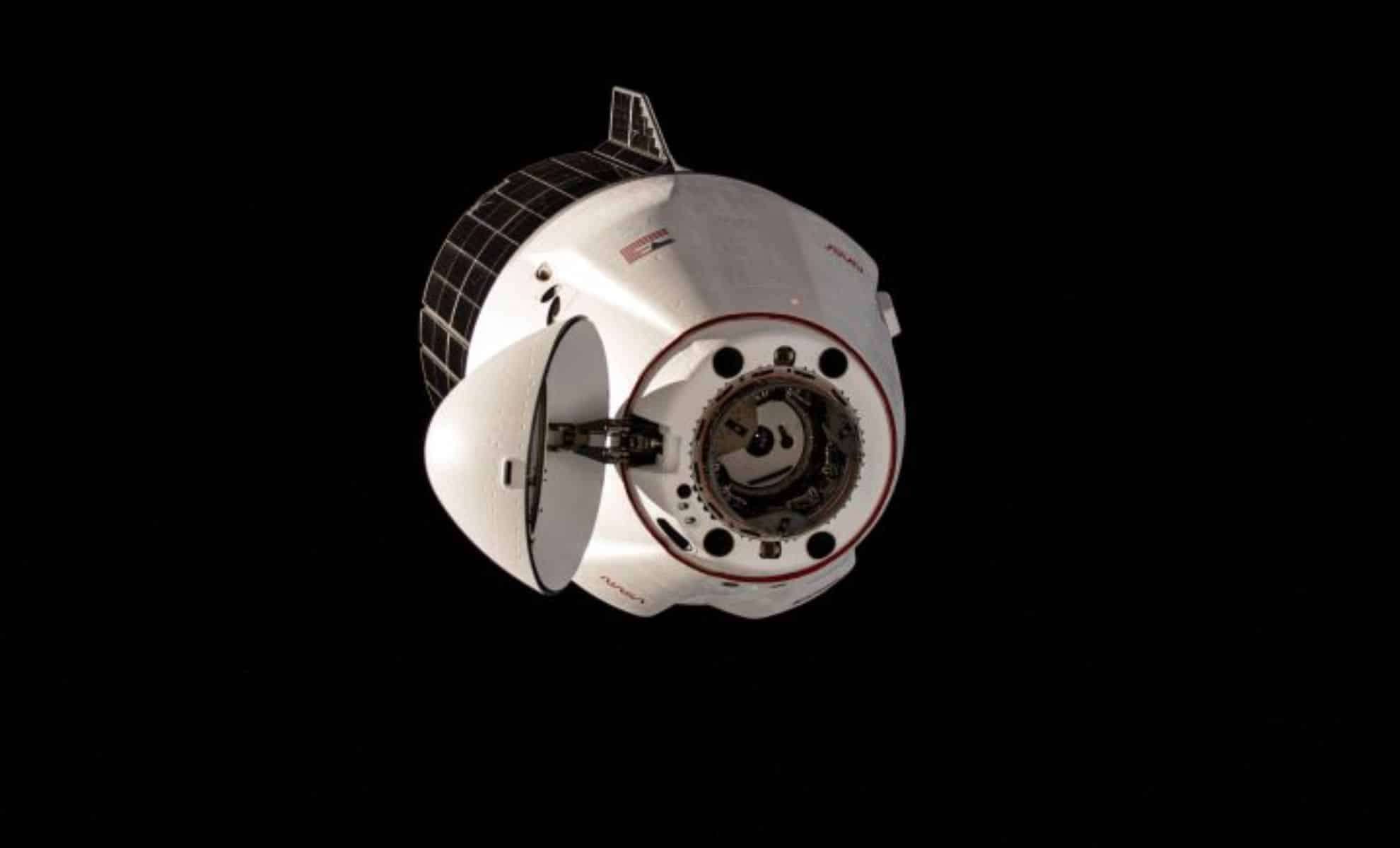
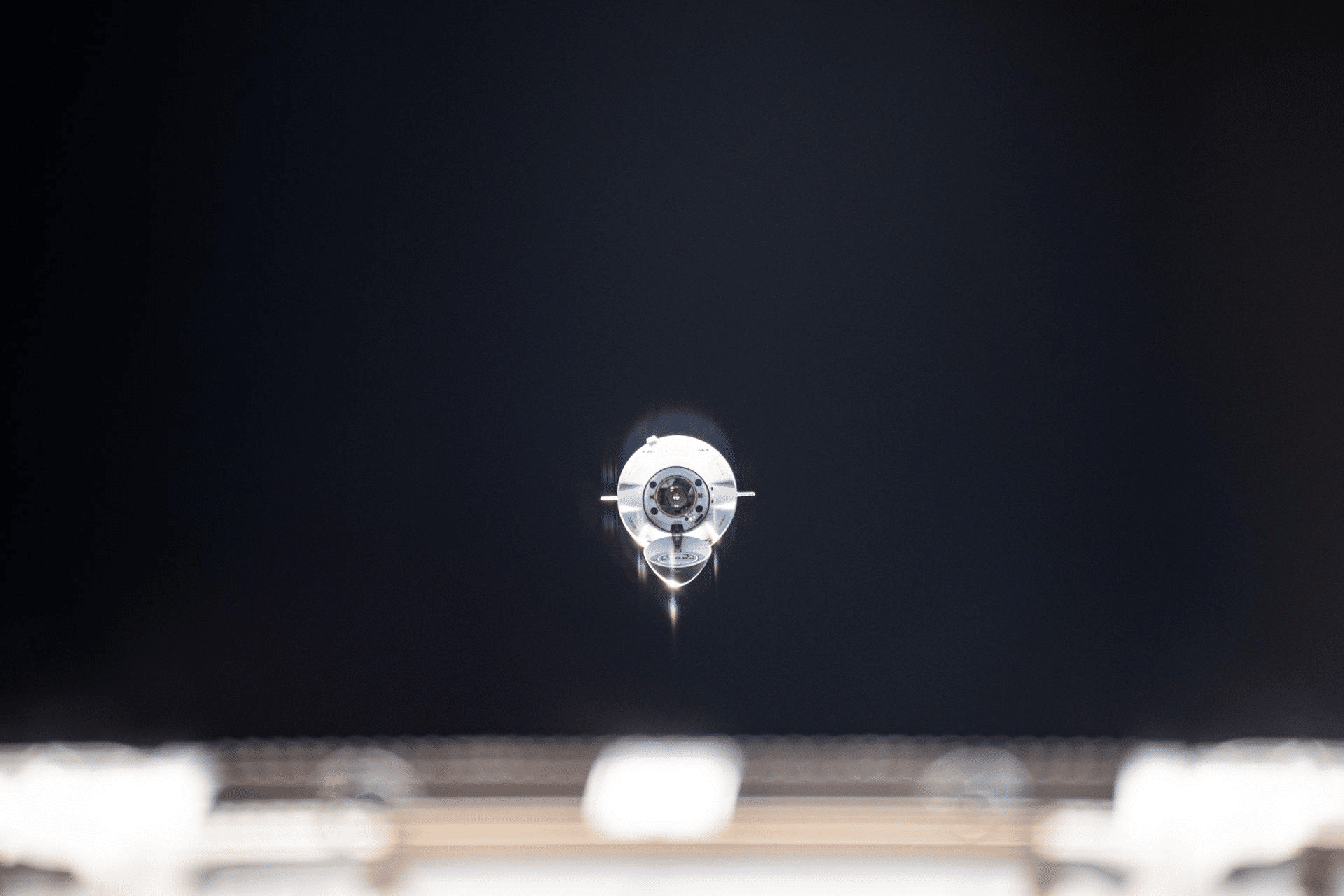
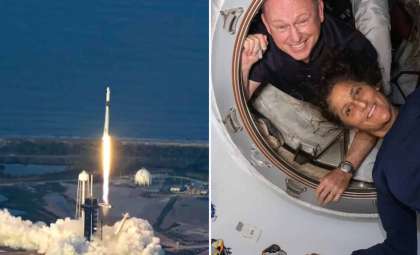
On May 25, 2025, SpaceX’s Dragon spacecraft safely splashed down off California’s coastline, returning a substantial 6,700 pounds of experiments, equipment, and cutting-edge technology from the International Space Station (ISS). Marking NASA’s 32nd commercial resupply mission, this flight underscored continuous strides in space innovation while showcasing emerging technologies poised to influence future explorations. According to a recent NASA blog entry, the haul featured next-generation devices such as flexible robotic arms, hyperspectral imaging tools, and educational materials crafted to inspire upcoming generations of scientists and engineers.
Pushing Material Science Boundaries in Orbit
Among the key items returning from the ISS was the MISSE-20 (Multipurpose International Space Station Experiment), which studied diverse materials exposed to direct space conditions. Located on the station's exterior, the samples endured intense ultraviolet rays, atomic oxygen, and wide temperature swings—conditions impossible to fully replicate on Earth.
The tested substances ranged from radiation shields and innovative solar sail coatings to advanced ceramic composites for spacecraft reentry and specialized heat-resisting resins. These materials are vital for evolving spacecraft and satellite technology. Data gathered aims to assist engineers in developing stronger, longer-lasting vehicles capable of enduring prolonged space missions and Earth's reentry stresses. Insights into material behavior in the vacuum of space are critical for upcoming journeys to the Moon, Mars, and distant destinations.

Scientists also hope this research will extend satellite lifespans by enhancing resistance to space radiation damage. Improving satellite durability ensures they continue to provide essential services—like communications, weather tracking, and Earth observation—more reliably over time.
Astrobee’s Tentacle Arms: Innovating Orbital Object Manipulation
This mission also witnessed the return of the Astrobee-REACCH (Responsive Engaging Arms for Captive Care and Handling) system, which showcased its complex robotic tentacle arms capable of gripping and moving objects in microgravity. Equipped with specialized adhesive surfaces, these arms adeptly grasp a variety of objects, from small debris to bulky satellite components, proving their versatility in orbit.
The REACCH demonstration is a major breakthrough for space debris mitigation. Rising satellite launches have increased orbital debris risk, threatening operational satellites and space vehicles. The technology’s ability to safely capture and relocate debris is vital for sustainable space activities. Additionally, these robotic arms could be instrumental in satellite maintenance missions, enabling in-space repairs, refueling, or orbit adjustments.
Moreover, REACCH could extend satellites’ functional lives by aiding end-of-life servicing, reducing dangers posed by inactive satellites drifting in orbit. As near-Earth space grows increasingly congested, such manipulators will be pivotal to preserving and enhancing space infrastructure.
Engaging Youth with Space-Themed Storytelling
Among the mission’s more creative payloads were children’s books from the Story Time From Space initiative. ISS astronauts read five STEM-focused books during simple in-orbit science demonstrations, all captured on video in zero gravity. These recordings, along with the books, have been distributed to educators to encourage young learners in science, technology, engineering, and math fields.
This unique program sparks children’s curiosity through a blend of storytelling and real-world scientific activities. Lessons are designed to captivate learners of all ages, fostering a direct connection with space science. These educational tools aim to inspire future scientists and engineers by showing the exciting possibilities of STEM careers.
Beyond education, Story Time From Space offers a personal glimpse into astronaut life, helping students appreciate the challenges and thrills of space research while understanding its broader impact on Earth.
OPTICA: Enhancing Earth Observation via Hyperspectral Imaging
Another returning innovation was OPTICA (Onboard Programmable Technology for Image Compression and Analysis), a pioneering hyperspectral imaging platform that proved its capability to deliver ultra-high-resolution images from orbit to Earth in real-time. OPTICA’s compression technology efficiently reduces data volumes without compromising image quality, easing the load on communication bandwidth.
This advancement opens new doors for Earth observation applications such as tracking ecosystem health, managing disaster responses, and optimizing agricultural practices. For example, real-time hyperspectral data can monitor environmental changes and support rapid decision-making during emergencies. By lowering data costs, OPTICA increases the feasibility of acquiring extensive satellite imagery, facilitating global problem-solving with enhanced precision.
The success of OPTICA marks a significant leap in space imaging technology, promising improved satellite communication efficiency and richer data quality for monitoring Earth’s dynamic systems.
Celebrating Decades of Pioneering ISS Research
The International Space Station (ISS) continues to be an indispensable orbiting laboratory after more than 24 years of continuous human presence. This platform brings together astronauts and scientists worldwide to conduct transformative experiments in microgravity. The ISS serves as a vital testbed for technologies and materials essential to future lunar and Martian exploration.
As the station advances, it remains central to expanding scientific understanding and preparing humanity for deeper space endeavors. Research aboard the ISS examines the long-term effects of space travel on human health, refines deep-space mission technologies, and advances knowledge in physics, biology, and material sciences. These investigations are foundational for the next major milestones in space exploration.
The ISS is also evolving as a hub for commercial space development, fostering private sector participation in space. This role helps build infrastructure necessary for sustained space ventures, ultimately supporting human settlements on the Moon and Mars.
- Categories:
- News






0 comments
Sign in to Comment