
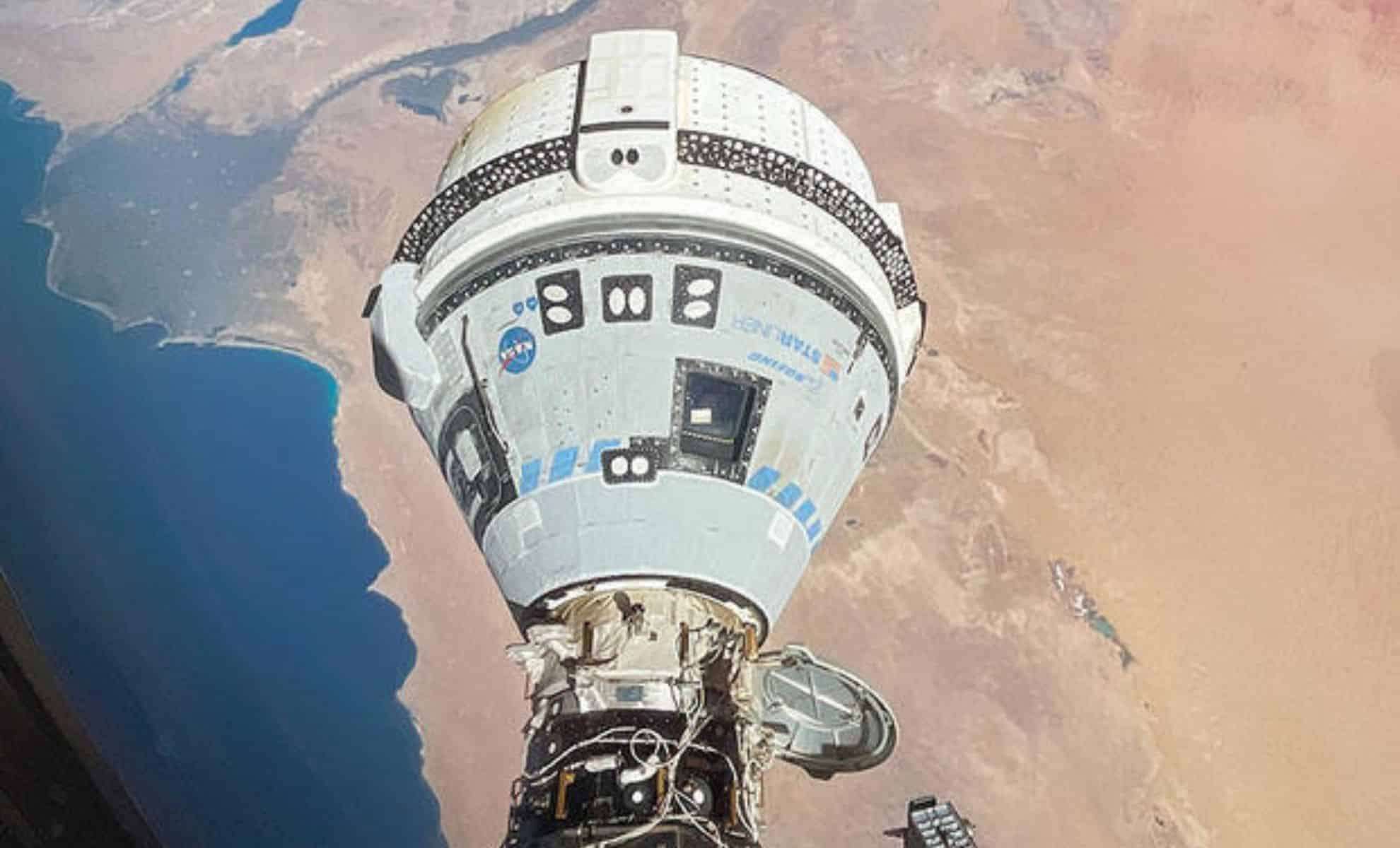
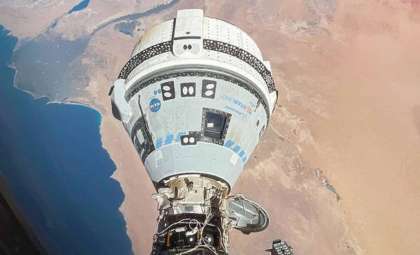
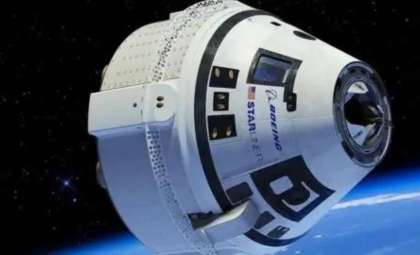
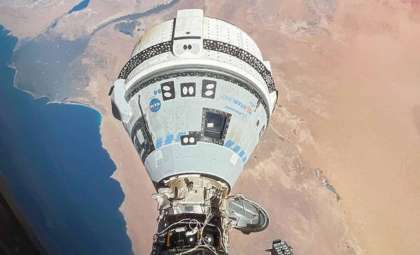
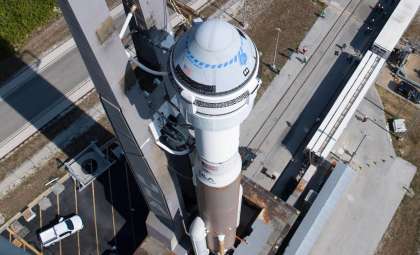
NASA has elected to bring Boeing’s Starliner spacecraft back to Earth without astronauts onboard, prioritizing crew safety due to persistent issues with the vehicle’s thruster system.
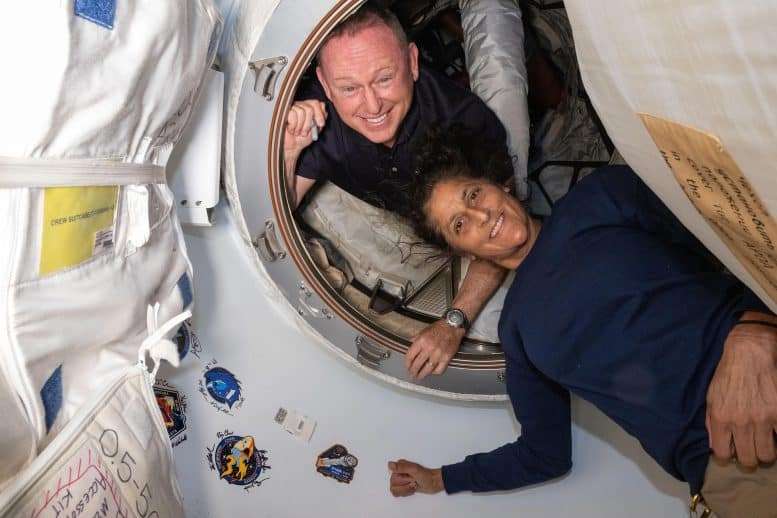
Consequently, astronauts Butch Wilmore and Sunita Williams, currently stationed on the International Space Station (ISS), are scheduled to return in February 2025 aboard a SpaceX Dragon capsule.
This choice comes after prolonged concerns about the Starliner’s reliability, especially following malfunctions in its reaction control thrusters that cast doubt on the craft’s ability to safely complete its return journey.

Significant Shift in NASA’s Crew Return Strategy
Initially, Wilmore and Williams planned to conclude their mission aboard Starliner after an eight-day mission. However, technical failures extended their ISS stay to nearly eight months. The troubles started during Starliner’s docking sequence when five of 28 thrusters failed, prompting NASA and Boeing to doubt the spacecraft’s safety for crew return. Given these risks, NASA chose to ensure astronaut safety by sending Starliner back uncrewed.
Steve Stich, NASA’s Commercial Crew Program manager, explained, “The thruster issues are complex and unpredictable, including temperature fluctuations. We must approach this cautiously.” NASA’s analysis determined the risk of a crewed Starliner return was too great.
NASA Administrator Bill Nelson reiterated the agency’s unwavering focus on crew safety, stating, “Keeping Butch and Suni aboard the ISS while the Boeing Starliner returns uncrewed reflects our steadfast commitment to safety — our guiding principle.”
Instead of Starliner, Wilmore and Williams will return inside a SpaceX Dragon spacecraft as part of the upcoming Crew-9 mission, launching in September 2024. NASA will modify the Dragon capsule to support the two astronauts, adjusting storage for cargo, personal belongings, and Dragon-specific spacesuits.
Technical Setbacks Prompt NASA’s Decision
The move to return an uncrewed Starliner followed a helium leak detected during launch, followed by thruster failures during docking, which prolonged the astronauts’ ISS stay while investigations proceeded. Uncertainties about the thrusters’ function during critical return maneuvers—like the deorbit burn and separation—made a crewed return too risky.
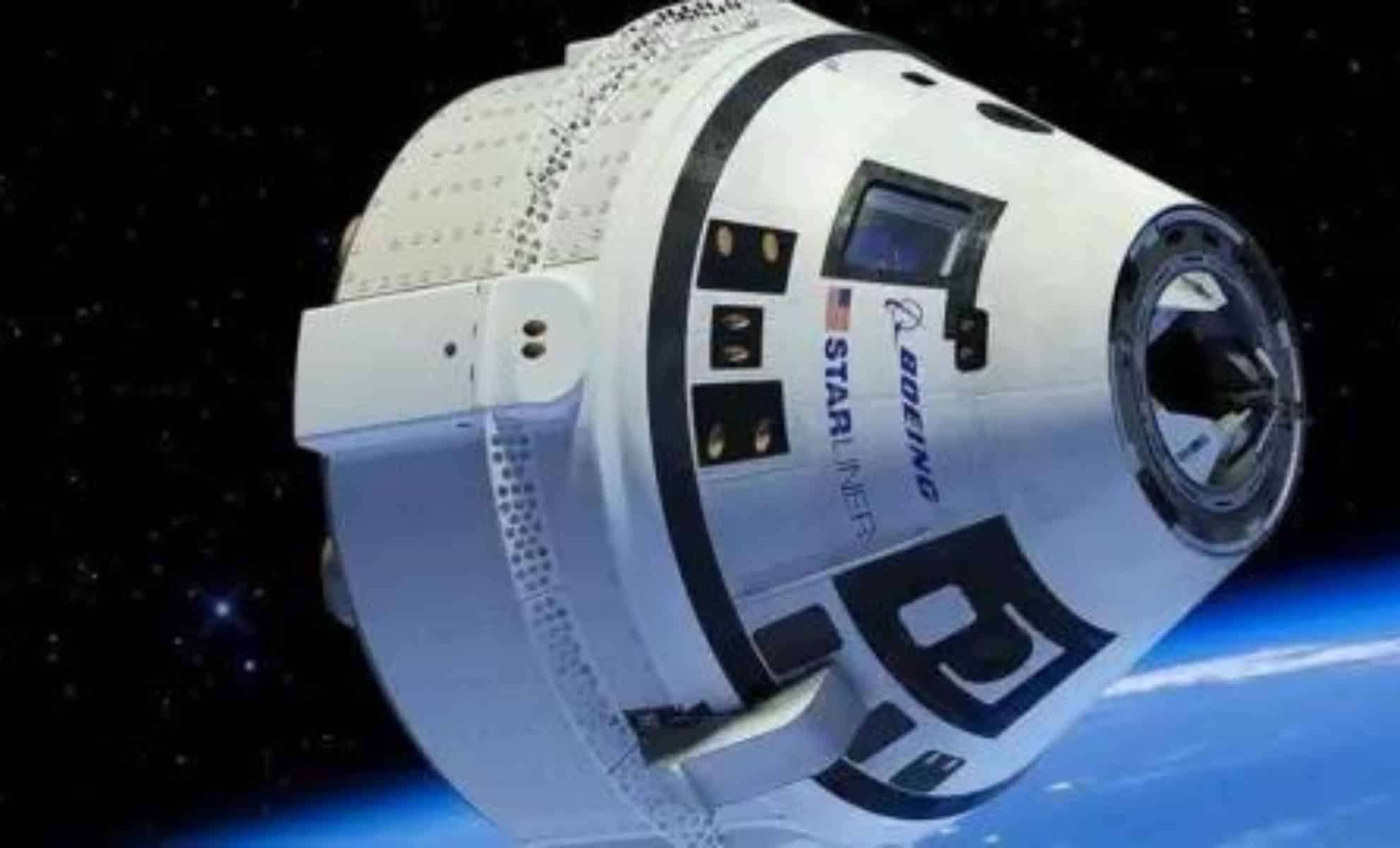
According to Stich, “We are simplifying the spacecraft’s separation protocol to enhance safety for the detached uncrewed return.”
Ken Bowersox, NASA’s Associate Administrator for Space Operations, highlighted their cautious approach: “Uncertainty regarding thruster usage during reentry is a major concern.” He also emphasized NASA’s culture of openness, shaped by past mission losses, encouraging candid risk assessments.
Despite current challenges, NASA and Boeing remain optimistic about Starliner’s future. Nelson expressed confidence that ongoing investigations and design improvements will pave the way for successful crewed missions. “We aim to identify root causes and evolve the design so Starliner becomes a dependable option for ISS crew transport,” he said.
Starliner’s Upcoming Uncrewed Test Flight
Scheduled for early September 2024, Starliner will auto-detach from the ISS and execute a controlled return to land at White Sands Space Harbor in New Mexico. This uncrewed flight will serve as a crucial test, delivering vital data to enhance spacecraft safety and fix thruster problems ahead of certification for future crewed flights.
NASA’s choice to prioritize an uncrewed Starliner return underlines the inherent complexity and risk of space exploration, especially during trial phases of new spacecraft.
While SpaceX’s Dragon capsule remains NASA’s primary vehicle for crewed space missions, Boeing’s Starliner continues to hold promise as a key part of NASA’s strategy to diversify and maintain multiple crew transportation options to the ISS. “Healthy competition drives innovation, cost-efficiency, and technology progress,” Bowersox remarked, reaffirming NASA’s desire for collaboration and multiple providers moving forward.
- Categories:
- Astronomy ,
- News ,
- Space ,
- Nasa





0 comments
Sign in to Comment