
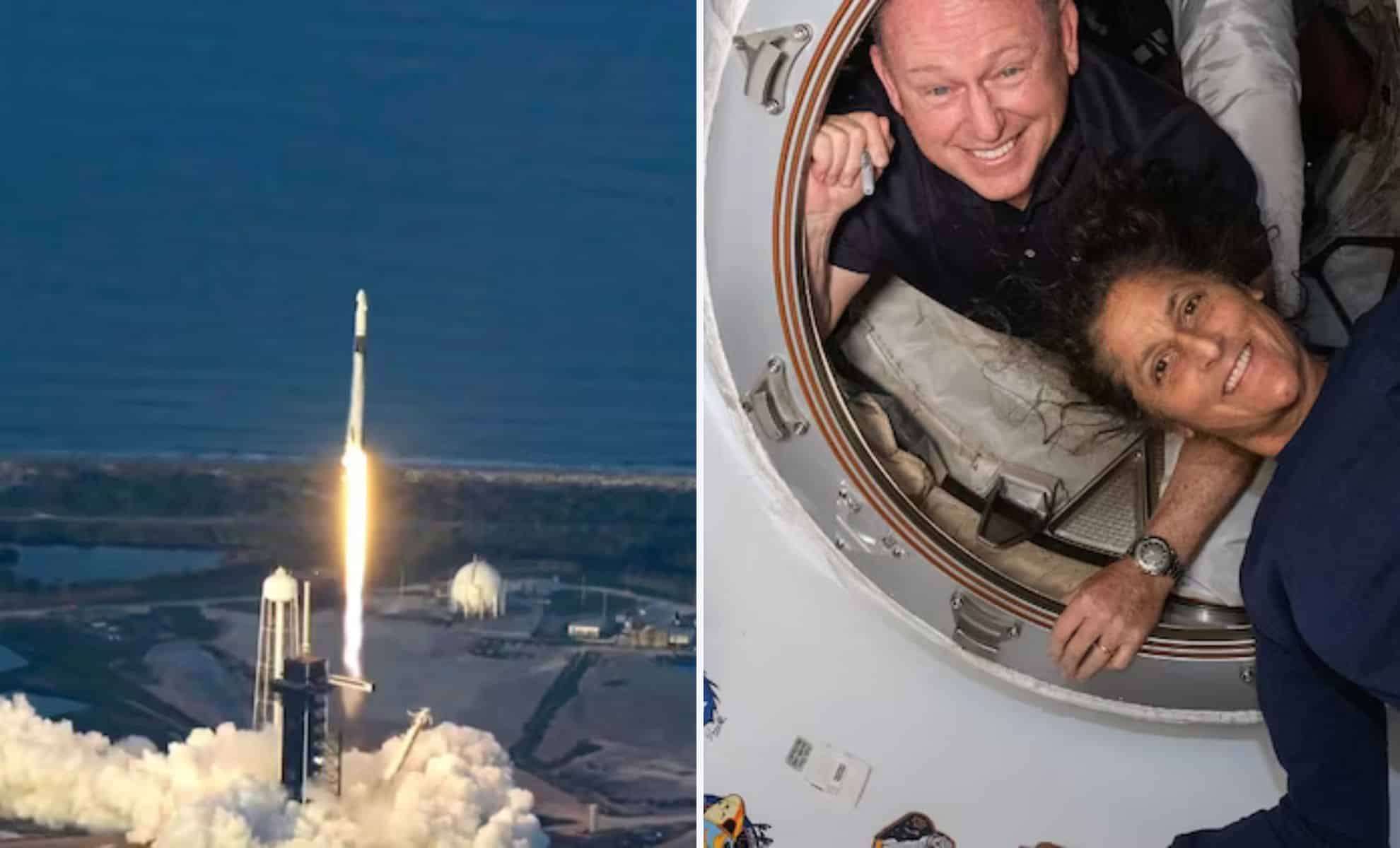
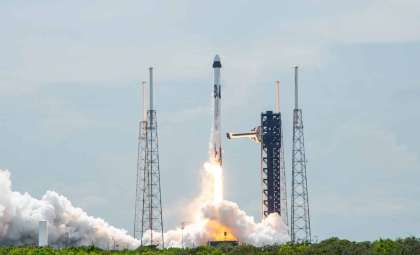
Following a brief delay, SpaceX’s Crew Dragon successfully lifted off on March 14, 2025, ferrying four astronauts to the International Space Station (ISS). Designated as the Crew-10 mission, this launch is a vital milestone for NASA’s continuous ISS operations and supports the imminent return of NASA astronauts Sunita “Suni” Williams and Butch Wilmore, who have spent nine months on the station.
According to ABC News, the mission commenced at 7:03 p.m. ET from Florida’s Kennedy Space Center, propelled by a Falcon 9 rocket that reached speeds up to 17,500 mph en route to low Earth orbit. Initially scheduled for March 13, the launch was postponed due to a hydraulic issue with the Falcon 9’s ground support clamp arm, which SpaceX promptly repaired, enabling a successful launch the following day.
Introducing the Crew and Their Objectives
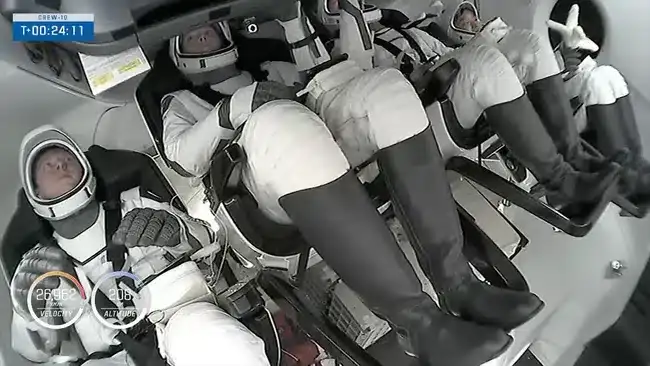
The Crew-10 team includes:

- Anne McClain (NASA) – Mission Commander
- Nichole Ayers (NASA) – Mission Pilot
- Takuya Onishi (JAXA) – Mission Specialist representing Japan
- Kirill Peskov (Roscosmos) – Mission Specialist representing Russia
Their duties are integral to NASA’s long-term scientific endeavors aboard the ISS, performing more than 200 experiments and technology demonstrations aimed at advancing space exploration. These investigations focus on enhancing life support, biomedical technologies, and next-generation spaceflight systems, critical to NASA’s Artemis initiative and prospective missions to Mars.
Coordination for a Smooth Crew Transition and Return
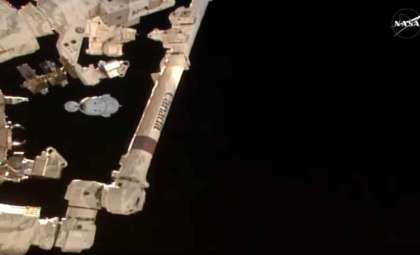
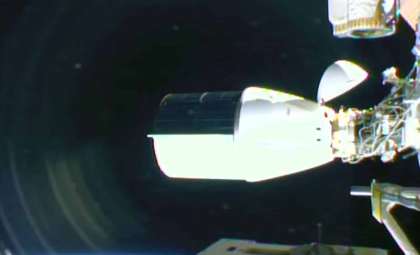
Upon arriving at the ISS, Crew-10 is scheduled to dock at 11:30 p.m. ET on March 15, followed by a formal handover with the existing onboard crew at 1:05 a.m. ET on March 16. This handoff ensures Crew-10’s gradual adaptation to the station while facilitating a seamless transfer of responsibilities.
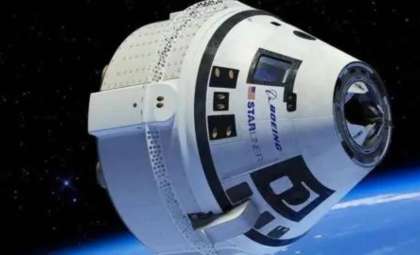
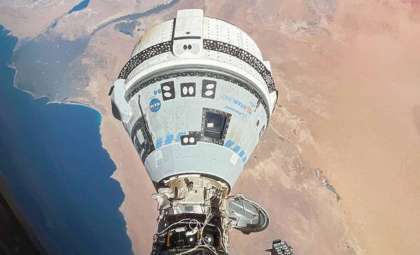
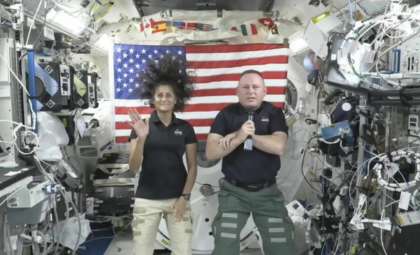
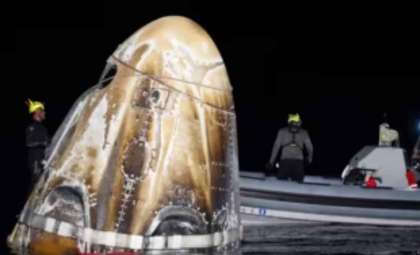
A significant highlight of this mission involves the departure of Williams and Wilmore, American astronauts who arrived in June 2024 via NASA’s Boeing Starliner test flight. Their assignment, initially set for a brief duration, was extended due to technical difficulties with the Starliner, prompting NASA to choose the Crew Dragon Freedom capsule for their return.
During their extended stay, Williams achieved a record-breaking 62 hours and 6 minutes of spacewalk time, marking the longest for a female astronaut. Both astronauts actively participated in maintenance, scientific activities, and system enhancements throughout their mission.
NASA clarifies that Williams and Wilmore were never in jeopardy during their prolonged mission, though their homecoming has been eagerly awaited as NASA reviews the Boeing Starliner’s readiness.
SpaceX's Integral Role in Crew Transportation
This latest Crew Dragon flight reinforces SpaceX’s pivotal position within NASA’s commercial crew program, which strives to sustain an ongoing human presence on the ISS and prepare for ventures beyond low Earth orbit. Since the Shuttle program retired in 2011, SpaceX has flown multiple crewed missions, becoming NASA’s chief provider for astronaut transport.
With Crew-10 underway, NASA and SpaceX advance their collaboration on safe and efficient crew transfers, a cornerstone for the sustainability of human spaceflight. Employing various vehicles such as SpaceX’s Crew Dragon and Russia’s Soyuz offers crucial redundancy in astronaut return capabilities, as highlighted by challenges in the Starliner program.
Upcoming Milestones
- The Crew-10 team will begin their extended stay aboard the ISS upon arrival.
- Williams, Wilmore, and two Crew-9 astronauts will prepare for their journey back in the Crew Dragon Freedom capsule, potentially landing around March 20, 2025.
- The Endurance capsule from Crew-10 will remain docked as an emergency escape vehicle during their mission tenure.
This mission highlights the expanding role of SpaceX in human space exploration, demonstrating the reliability of commercial spacecraft in sustaining ISS operations and supporting future deep-space endeavors.
As NASA, SpaceX, and their international collaborators broaden humanity’s reach into space, the success of Crew-10 underscores remarkable progress in commercial crew flights and their significance for advancing exploration possibilities.
- Categories:
- News




0 comments
Sign in to Comment