
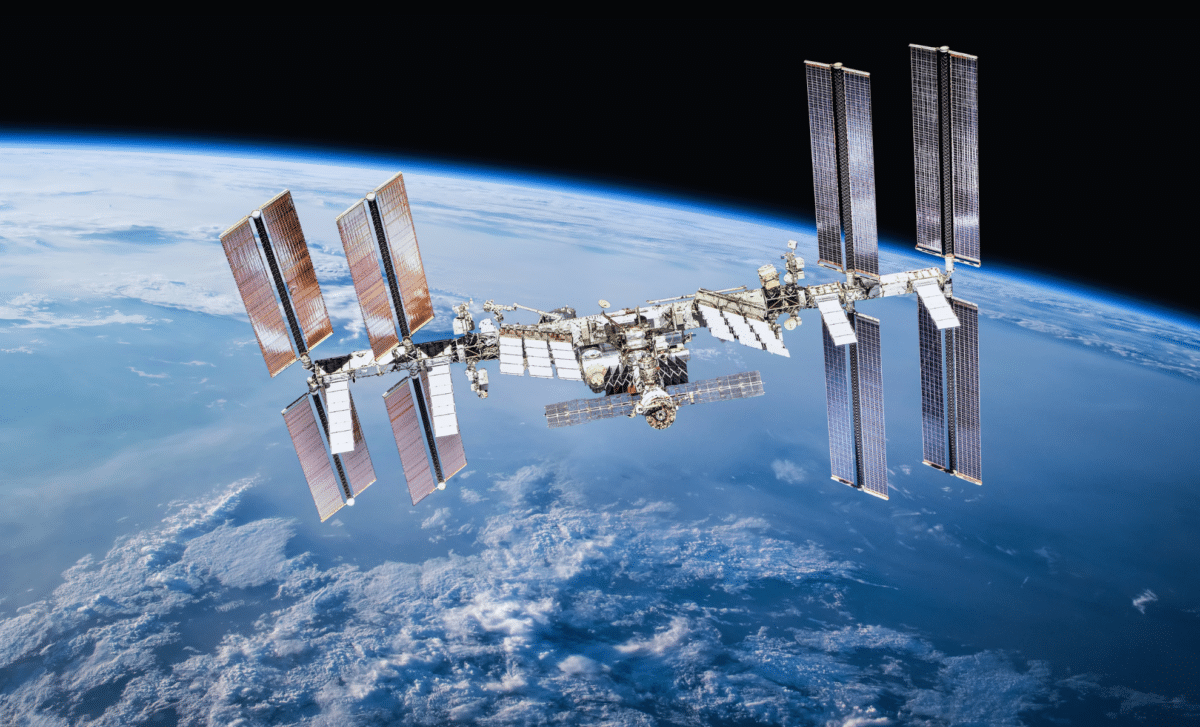
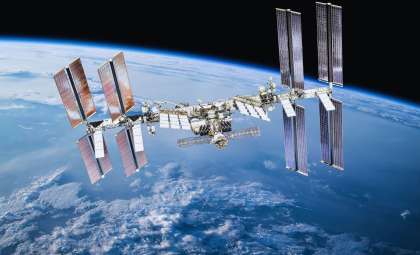
An unexpected drop in air pressure aboard the International Space Station (ISS) led crew members to seek safety inside the docked SpaceX Dragon vehicle, underscoring the ongoing efforts to maintain the aging orbiting research lab.
Crew Moves to Safety Capsule as Precaution
As reported by Space.com, NASA responded immediately upon identifying an air leak within the PrK transfer passage that links to Russia’s Zvezda service module—one of the station’s earliest components. NASA’s spokesperson, Bethany Stevens, stated,
“Out of an abundance of caution, NASA has directed all four of the agency’s SpaceX Crew-12 members and NASA astronaut Chris Williams to assume an elevated safety posture in the Dragon spacecraft while the repair is underway,” via X earlier today.

The group—Jessica Meir, Jack Hathaway, Sophie Adenot, cosmonaut Andrey Fedyaev from SpaceX Crew-12, alongside NASA’s Chris Williams, who traveled on a Russian Soyuz—convened in the Freedom capsule. Their swift relocation ensured safety during Russian cosmonauts’ efforts to repair the leak, demonstrating the station’s stringent emergency response capabilities.
The Zvezda service module transfer tunnel, known as PrK, has suffered from cracks and leaks for some time, and has been mitigated by Roscosmos as much as possible to date. The cracks have always been a concern that NASA watches very closely. NASA and Roscosmos have been working…
— Bethany Stevens (@NASASpox) June 5, 2026
Background on the Persistent Air Leak
The faulty seal within the PrK tunnel stems from longstanding fissures that have developed in the Zvezda module over many years. Stevens noted that Roscosmos has been maintaining the situation through a combination of interim fixes and operational adjustments.
Since the ISS has been continuously occupied since late 2000, preserving its structural soundness requires both proactive upkeep and reactive repairs. Although the leak had been contained for a while, it resurfaced recently, leading to plans for a more thorough repair. This scenario highlights the complexities of sustaining an intricate space facility beyond two decades in orbit.
Repair Work and Temporary Suspension
Cosmonauts commenced repair activities inside the Zvezda module’s PrK tunnel, but these were temporarily halted. Stevens reported that “Roscosmos has paused Friday’s structural repair efforts inside the Zvezda service module transfer tunnel, known as PrK, as more measurements and data is assessed,” only an hour after the crew moved into the Dragon for safety.
This interruption provided engineers from NASA and Roscosmos time to analyze new data and carefully evaluate the condition before continuing. Despite the pause, Stevens added that “Given this development, NASA has instructed the crew members inside the Dragon spacecraft to end the safe haven procedures and return to planned operations aboard the International Space Station.” This decision reflects the strong cooperation between international partners and highlights robust onboard emergency protocols.
Maintaining an Aging Orbital Outpost
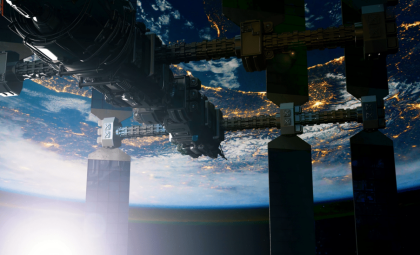
Launched in July 2000, the Zvezda module is among the oldest in the ISS assembly, illustrating the ongoing challenges of aging infrastructure in space. Nevertheless, the station remains fully operational with active scientific missions, planned crew rotations, and stays on course to continue functioning through at least 2030, possibly extending to 2032. It represents an essential stepping stone towards future commercial space habitats.
This incident reinforces the importance of even the oldest station components and spotlights the crew’s preparedness and adaptability in managing unexpected hazards. It also underscores the indispensable collaboration between nations that sustains one of humanity’s most remarkable engineering feats orbiting Earth.
- Categories:
- News



0 comments
Sign in to Comment