

The era of transformative global internet access is approaching rapidly. SpaceX, under the leadership of Elon Musk, is readying the deployment of the next-generation Starlink satellites. These third-generation Starlink V3 satellites are designed to challenge the capabilities of conventional fiber optic networks, delivering unprecedented speed and reliability. Beyond serving everyday users, these advanced satellites aim to provide robust connectivity in extreme and remote conditions, including aircraft flying at 35,000 feet (10.67 km).
While previous Starlink launches mainly focused on rural areas lacking strong internet options, the V3 satellites mark a significant shift toward establishing satellite internet as a premier alternative. This evolution addresses the growing demand from varied sectors needing high-capacity connections for services like video conferencing, streaming media, and cloud computing. Whether at isolated construction sites or cruising aboard long-haul flights, reliable, high-speed internet is becoming essential everywhere.
Starlink’s most rugged kit yet, Performance offers reliable high-speed internet (400+ Mbps download speeds) in the most extreme and remote environments.
Aluminum enclosure, IP69K waterproof rating, advanced power supply with AC/DC, and more → https://t.co/p9kb66ohJ2 pic.twitter.com/7fkLQjdlNm— Starlink (@Starlink) June 3, 2025Add Cosmo Herald as a Preferred Source

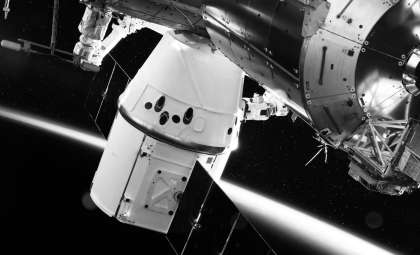
These new satellites represent more than just an upgrade in speed—they signify a considerable scaling up in size and capability. Each V3 satellite is nearly 2,000 kilograms in weight, over triple the mass of the current Starlink V2 Mini models. Offering bandwidth of up to 1 terabit per second (Tbps), they provide a tenfold increase in data rates compared to their forerunners. Due to their size, deployment will rely solely on the Starship launch vehicle, SpaceX's forthcoming heavy-lift rocket capable of launching as many as 60 satellites per mission.
Designed for Tough Conditions: Introducing the Performance Dish
Earlier in the year, SpaceX unveiled a robust new “Performance” dish built for demanding and mobile environments. Priced at $1,999, the device primarily targets American enterprises in industries such as construction, agriculture, logistics, and emergency response.
The dish’s rugged aluminum exterior is engineered to endure temperatures ranging from -40°C up to 60°C, resist wind speeds exceeding 270 km/h, and withstand corrosive saltwater conditions. Certified for operation while in motion, it suits vehicles like trucks and ships. Power consumption averages around 70 watts, a substantial improvement over the prior model's 110-watt requirement.
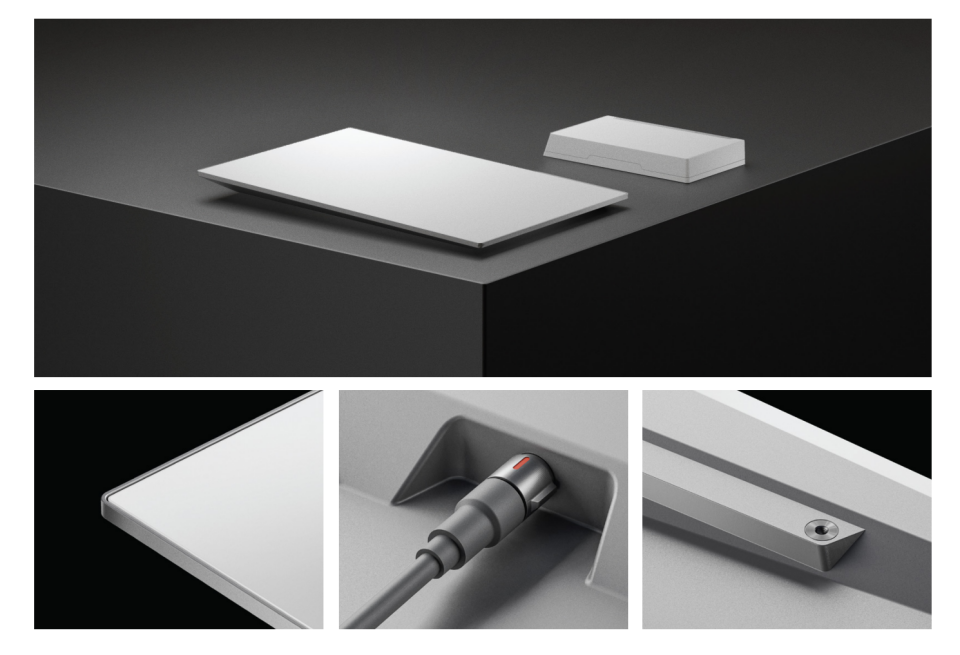
With an expected lifespan of 10 years, the new dish aligns perfectly with Starlink’s futuristic network plans. It is already capable of supporting gigabit speeds without needing any hardware upgrades. As the V3 satellite network expands, customers will be able to access greater speeds through simple subscription updates anticipated to launch in 2026.
True In-Flight Connectivity at 35,000 Feet
One of Starlink’s most impressive applications is providing reliable internet during flights. In partnership with United Airlines, Starlink has introduced high-speed Wi-Fi on selected commercial airplanes, delivering an unprecedented level of in-flight connectivity. A recent test flight on a Boeing 737-800 recorded consistent download speeds above 250 Mbps, with latency low enough to enable smooth video calls, HD streaming, and cloud work while flying over Wisconsin.
Unlike traditional in-flight internet systems relying on satellites stationed in geostationary orbit approximately 22,000 miles (35,405.57 km) overhead, Starlink uses a network in low Earth orbit (LEO) at around 350 miles (563.27 km). This low altitude drastically reduces latency, creating seamless internet performance.
United Airlines is retrofitting its fleet with Starlink antennas, beginning with the 737-800 series, installing around 15 aircraft per month. The airline emphasizes the availability of gate-to-gate internet, enabling passengers to remain connected from boarding through landing—a significant advantage in today's remote work culture.
Starship: The Key to Starlink V3 Deployment
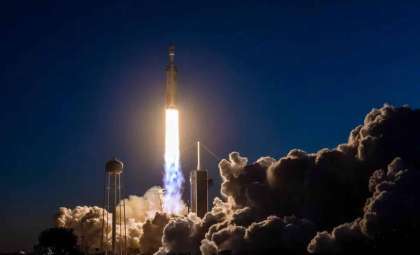
The success of the Starlink V3 project depends heavily on the readiness of Starship, SpaceX’s next-generation heavy-lift rocket. Though still undergoing development, Starship has already completed several test missions and showcased its ability to carry simulated V3 satellites into orbit.
The substantial size and weight of the V3 satellites necessitate utilizing Starship’s advanced lift capabilities to place them into precise orbits. Once fully operational, the V3 network could deliver a combined downlink bandwidth of up to 60 Tbps, significantly easing internet congestion in densely populated areas where demand often exceeds capacity. In particular, U.S. customers facing access fees due to saturated networks might experience improved service without extra charges.
SpaceX expects initial Starlink V3 satellite launches to occur by late 2025 or early 2026. However, as with many cutting-edge technologies, these timelines remain tentative pending further testing and regulatory approval.
- Categories:
- News










0 comments
Sign in to Comment