
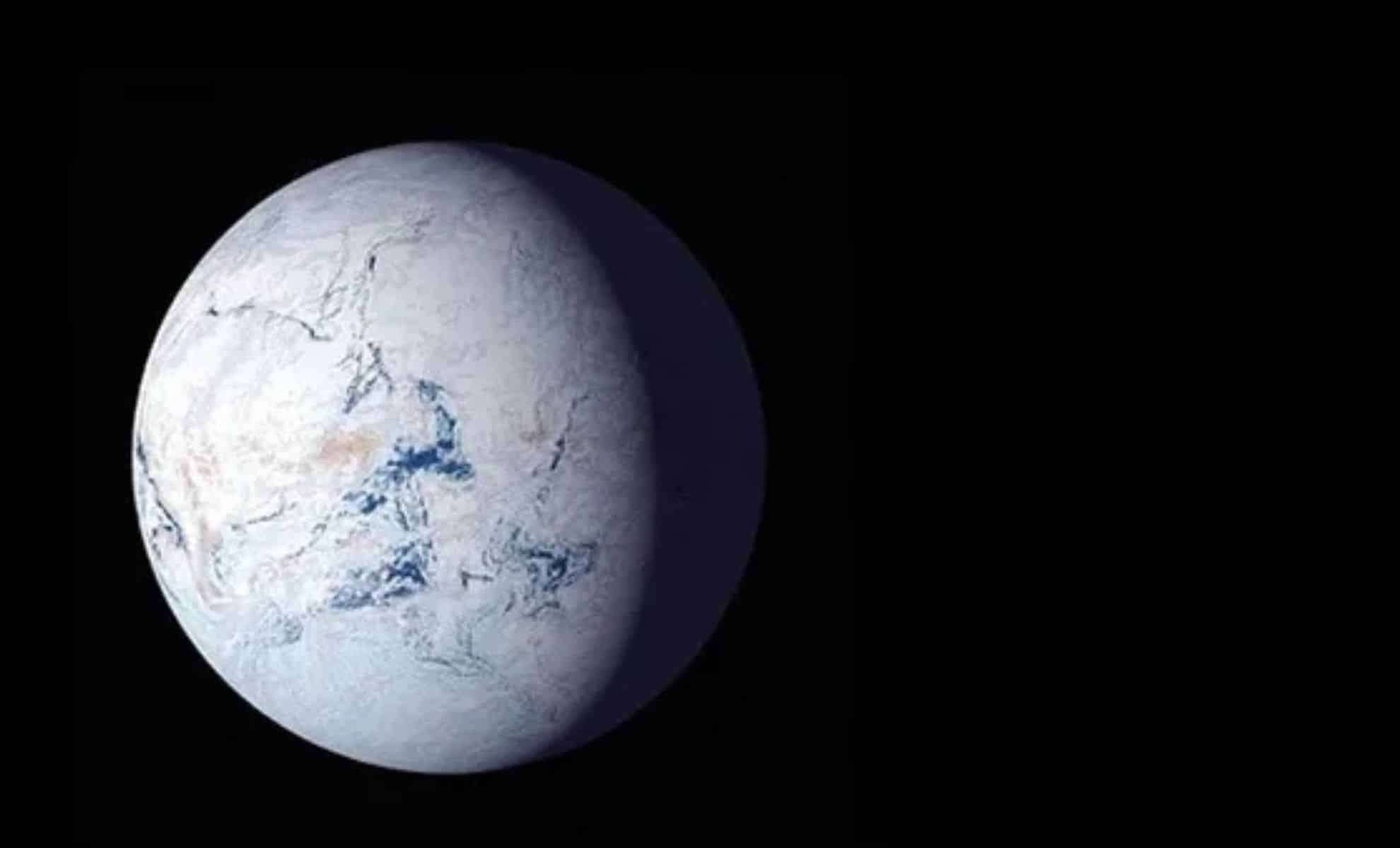
Researchers from the University of Colorado Boulder have unveiled fresh evidence supporting the longstanding Snowball Earth hypothesis, which proposes that our planet was once encased in ice from pole to equator. Their study, focusing on ancient geological layers within Colorado’s Rocky Mountains, offers robust proof that colossal glaciers shrouded much of the Earth roughly 720 to 635 million years ago. Scientists believe this deep freeze played a crucial role in shaping early life forms, potentially fostering the rise of multicellular organisms as the ice receded.
Geological Clues Point Toward a Frozen Earth
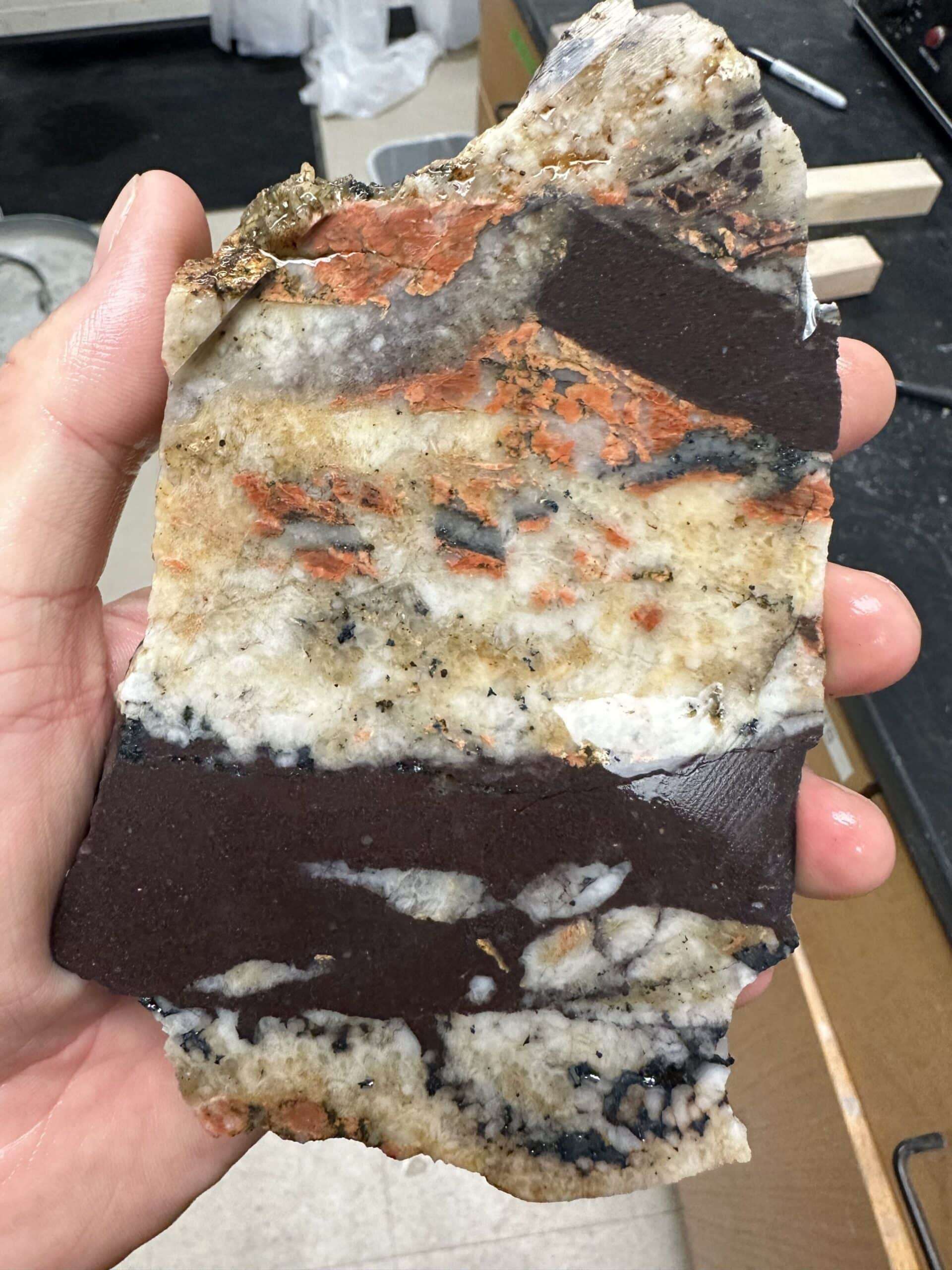
The investigation zeroes in on the Tava sandstones, unique rock deposits located in Colorado’s Front Range region, dating back hundreds of millions of years. Employing laser ablation mass spectrometry—a technique that uses lasers to extract and date mineral atoms—researchers determined these formations were buried beneath immense glacial weight during a span between 690 and 660 million years ago. This timeframe coincides with the globally recognized Snowball Earth period, characterized by sharply declining temperatures and the spreading of ice sheets across continents. Lead author Liam Courtney-Davies remarked, “This is the first physical indication that Snowball Earth glaciers extended into the equatorial interiors of continents.”
Courtney-Davies and colleagues highlight that Colorado’s ancient position within the supercontinent Laurentia, near the equator, offers a rare glimpse into this era of dramatic cooling. The presence of glaciers here suggests planetary-wide ice coverage, supporting the concept that Earth was fully engulfed in ice rather than partially frozen, radically different from the climate we experience today.

How Global Glaciation Influenced Early Organisms
The extreme glaciation likely had wide-ranging effects on Earth’s climate systems, atmosphere, and biological evolution. The Snowball Earth hypothesis, first introduced by geologist Joseph Kirschvink in 1992, proposes that rapid cooling led to ice sheets covering Earth entirely. Scientists suggest that this harsh environment pressured life forms to develop new adaptations. Courtney-Davies explains, “Climate and life evolved hand in hand during the Snowball Earth events.”
As temperatures gradually increased and glacial ice melted, emerging environments within oceans and newly exposed lands may have nurtured the development of more complex life. This epoch of environmental upheaval possibly set the stage for the advent of multicellular organisms, marking a key milestone in evolutionary history. Unraveling how this climatic shift influenced early life offers essential insight into Earth’s biological and geophysical legacy.
Broader Search for Glacial Evidence Underway
While the Tava sandstones of Colorado have provided valuable insights, the research team aims to identify comparable geological records elsewhere across North America and the globe. As Earth.com highlights, locating additional rock formations akin to the Tava sandstones could deepen understanding of the Snowball Earth impact and reinforce the idea of global ice coverage during this period.
Courtney-Davies states, “By encouraging others to locate similar formations, we hope to enrich the scientific narrative surrounding Snowball Earth.” Ongoing geological exploration promises to reveal more about Earth’s deep freeze, clarifying how such a severe glaciation event influenced the planet’s environment and biological diversification.
This research enhances the mounting geological data supporting the Snowball Earth concept and highlights the vital role of earth sciences in tracing planetary climate history. Findings from studies like those on the Tava sandstones suggest that ice sheets reached far beyond the poles, enveloping even equatorial regions. Each new discovery helps piece together the evolving story of how Earth's climate extremes have shaped life over billions of years.
- Categories:
- News









0 comments
Sign in to Comment