

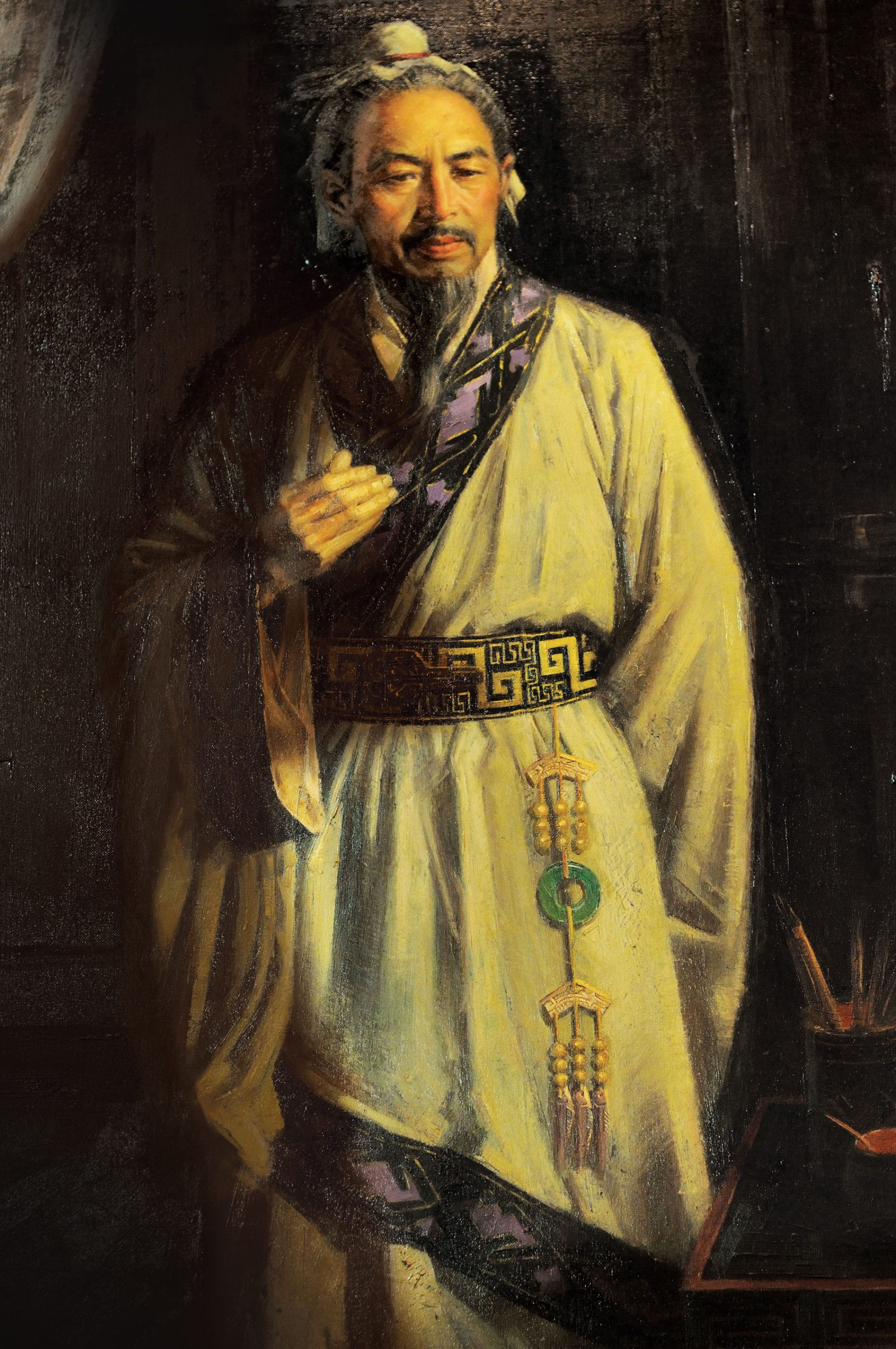
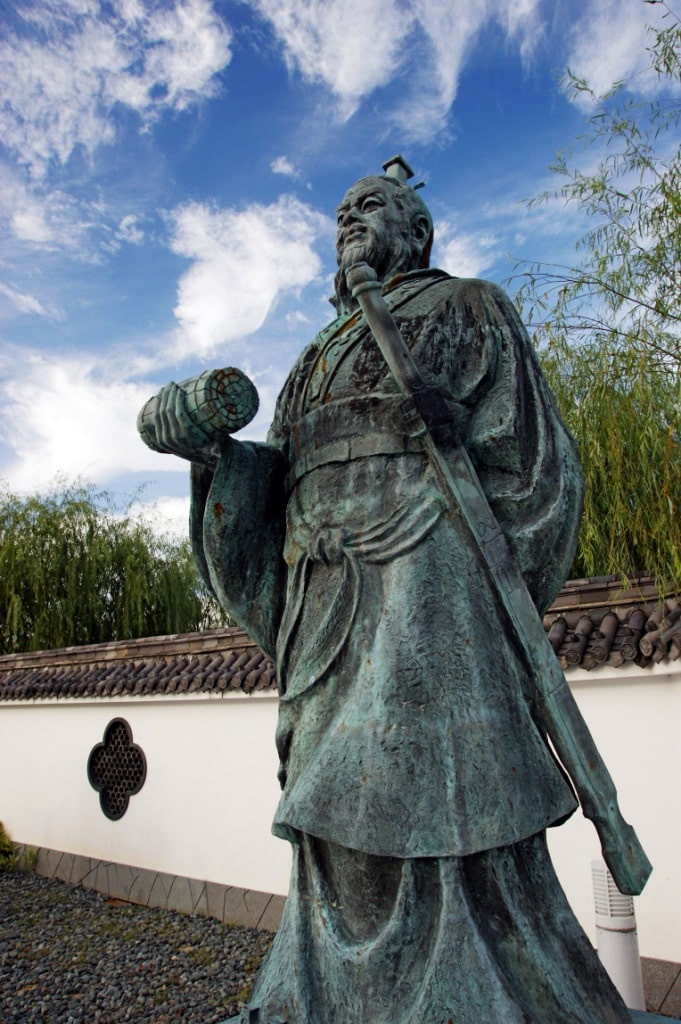
Sun Tzu, the revered ancient Chinese strategist, introduced a timeless approach to warfare and leadership: "Conceal your strength when you hold it, and appear powerful when you feel vulnerable." This principle from The Art of War hinges on the idea that opponents act based on their perceptions, not on the actual facts.
Sun Tzu’s insight has endured among military strategists, corporate leaders, and political tacticians because it addresses a fundamental truth: people’s decisions are shaped by what they believe rather than what is true. He famously stated, “all warfare is based on deception” and valued winning without direct conflict. By influencing what an adversary believes, leaders can guide outcomes more effectively than through sheer force.
Understanding the Strategy Behind Deception
This approach operates through two primary strategies. When one is strong but projects vulnerability, the adversary tends to underestimate, potentially leading them to act carelessly or prematurely. This opens opportunities that wouldn’t exist if the opponent fully recognized the true strength. On the other hand, if someone shows confidence and strength while actually weak, it can discourage adversaries from attacking, fearing traps or misjudgments.

The technique requires no complex lies—small shifts in communication, demeanor, or visible activity can sufficiently alter an opponent’s perception. Sun Tzu encapsulated this by saying, “If you know the enemy and know yourself, you need not fear the result of a hundred battles.” Mastering perception enables a strategist to wield influence far beyond their material strength.
For Sun Tzu, shaping what others think is as crucial as managing forces or logistics. He noted, “the opportunity of defeating the enemy is provided by the enemy himself.” Every expression and action contributes to a narrative that influences opponents, ultimately determining their mistakes and success.
Beyond Warfare: Diverse Applications
Though Sun Tzu’s teachings originated in military contexts, they extend to any competitive field. In business, revealing all strengths upfront risks prompting rivals to intensify resistance or seek alternatives. Keeping some elements ambiguous can secure better deals and protect negotiating power.
In work settings, constantly showing flawless competence might lead to increased demands without matching rewards. Exercising discretion on what to reveal about skills or knowledge can improve timing and impact. Sun Tzu warned, “he who exercises no forethought but makes light of his opponents is sure to be captured by them.”
In social interactions where power imbalances exist, those perceived as powerless might gain influence precisely because others discount them. The core lesson is that perception controls behavior, and behavior drives results. As Sun Tzu put it, “the wise warrior avoids the battle.”
The Dangers of Misjudgment
Sun Tzu’s counsel carries risks that call for careful execution. Displaying a false image opposite from reality requires precise timing and keen understanding of the opponent’s mindset. If pretending vulnerability doesn’t lure the enemy into mistakes, the strategist gains nothing. He acknowledged such nuances with, “there are roads which must not be followed, armies which must not be attacked, towns which must not be besieged.”
Similarly, bluffing strength while truly weak is effective only so long as the ruse is maintained. Revealing real weakness prematurely may damage trust more than the original vulnerability. Success depends on accurately gauging the adversary’s response and having time to recover actual strength before the illusion collapses.
Sun Tzu emphasized the importance of adaptability in managing these complexities. He compared a skillful strategist to water, which “shapes its course according to the nature of the ground over which it flows.” Rigidly applying any tactic without adjustment risks failure when circumstances change unexpectedly.
Ancient Wisdom in Modern Information Age
In today's rapid digital communication environment, Sun Tzu’s ideas take on new dimensions. Signals move faster and linger longer online, often spreading beyond the original setting and creating unpredictable interpretations.
Nonetheless, the timeless truth stands: humans base decisions on perceived realities, which can be influenced by carefully controlled messaging. Modern strategists gain power not only through physical or financial means but by mastering the information landscape.
This broader approach allows leaders to shape contests before they fully unfold. Sun Tzu valued this efficiency since it conserves resources and limits conflict, as he stated, “the greatest victory is that which requires no battle.”
When resources are scarce or outcomes uncertain, influencing perceptions can offer the most efficient path to success. Sun Tzu’s enduring legacy lies in clarifying how perception and power intertwine. His reminder that “tactics without strategy is the noise before defeat” underlines the necessity for every action to align with an overarching plan.
- Categories:
- News












0 comments
Sign in to Comment