
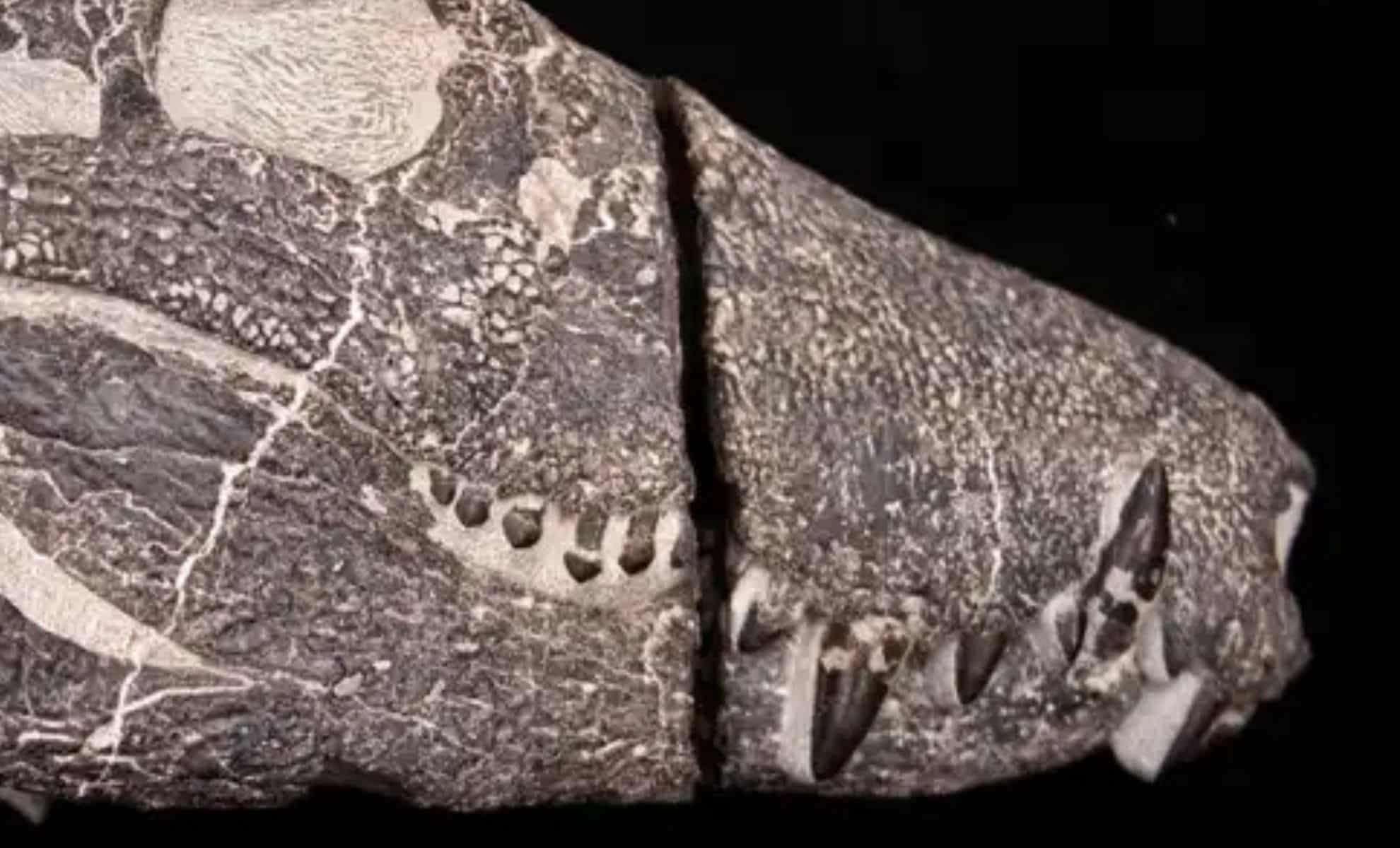
Approximately 70 million years ago, a formidable predator roamed what is now southern Patagonia’s floodplains. This ancient reptile, Kostensuchus atrox, was not a dinosaur but likely preyed upon them. Detailed in a recent publication in the journal PLOS ONE on August 27, 2025, its skeleton reveals a crocodilian cousin equipped with razor-like teeth, upright legs, and a skull engineered for immense biting force.
Unearthing Shadows of a Lost Era
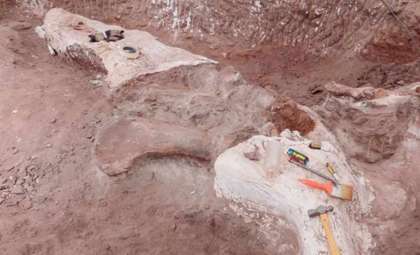
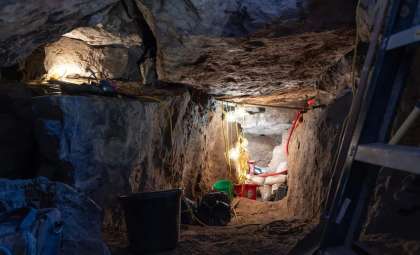
The fossil discovery took place in March 2020 within Argentina’s Chorrillo Formation. A group of paleontologists, including Fernando Novas and Marcelo Isasi, found the specimen embedded in beige sediment atop a ridge near Lake Argentino. Isasi recounted the moment, describing how they spotted “black bones” glimmering as daylight faded, leading them to the clear outline of a skull.
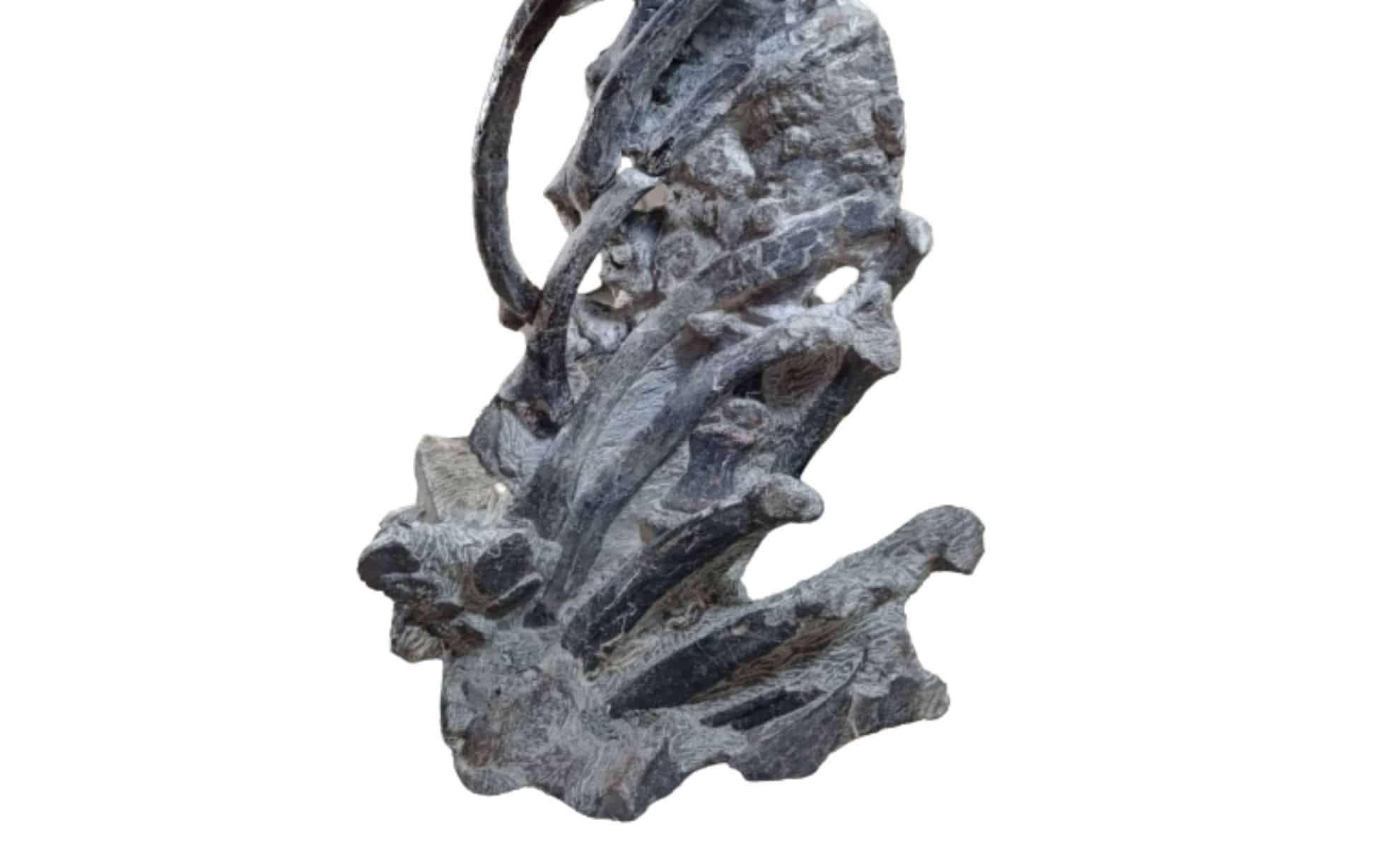
The team extracted a well-preserved skull alongside cervical and dorsal vertebrae, hip bones, ribs, and a portion of a forelimb. Analysis suggests Kostensuchus atrox was roughly 11.5 feet long and weighed nearly 550 pounds. It belongs to peirosaurids, an extinct lineage of crocodyliforms distantly related to today’s crocodiles and alligators.

Adapted for Terrestrial Hunting
Unlike modern crocodilians, which are adept aquatic ambush hunters, Kostensuchus was primarily land-dwelling. Its tall, wide skull with forward-facing nostrils indicates it was not built for breathing underwater. Its limbs appeared longer and more vertically positioned, suggesting enhanced mobility on land compared to its aquatic relatives.
Diego Pol, paleontologist and National Geographic Explorer involved in the study, highlighted that Kostensuchus possessed “teeth akin to a T. rex,” with sharp, conical shapes, some exceeding two inches in length. Its jaw muscles were massive, enabling a bite strong enough to reportedly “snap an opponent into pieces in one strike.”
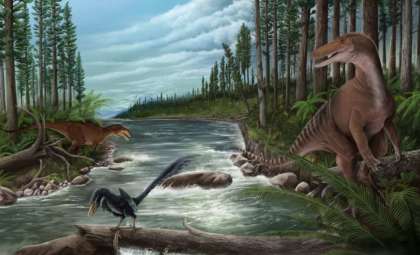
These traits strongly indicate Kostensuchus was a hypercarnivore, feeding almost exclusively on meat. Likely prey included small- to medium-sized herbivorous dinosaurs such as ankylosaurs and hadrosaurs. As an apex predator, it stood among the dominant carnivores within its ecosystem, coexisting alongside large theropods.
A Predator in a World on the Brink
The fossil dates to the closing stages of the Cretaceous, just before the mass extinction that erased most non-avian dinosaurs. This specimen represents the southernmost and most complete peirosaurid ever documented.
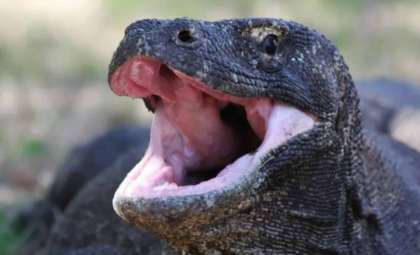
Some vertebrae showed healed fractures, suggesting aggressive clashes between individuals. To visualize this, researchers created a digital model depicting two Kostensuchus battling over a dinosaur carcass, rearing up and colliding much like modern Komodo dragons do.
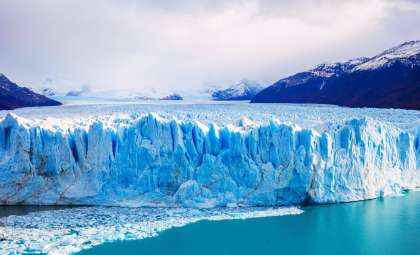
Today, the area is dominated by glaciers and snowfields, but during the late Cretaceous, it was a warm, humid habitat. According to Pol, Kostensuchus and other terrestrial crocodyliforms thrived in these conditions before their extinction in the global event.
From Remote Fieldwork to Detailed Analysis
The excavation was interrupted by the pandemic, forcing the team to seek refuge in cabins near El Calafate. After restrictions eased, the fossil was transported 1,500 miles to Buenos Aires, where Marcelo Isasi meticulously worked on it at home. Over six months, he carefully revealed its broad skull with large serrated teeth, confirming it was built for powerful biting.
Kostensuchus atrox also had notably long forelimbs, hinting it may have moved upright or exhibited specialized hunting behaviors. However, the lack of hindlimb fossils means scientists cannot definitively determine its locomotion style. Some hypothesize it retained a semi-sprawling gait similar to modern crocodilians.
Despite uncertainties, this find emphasizes the rich diversity of crocodyliforms just before the mass extinction. Rather than being static “living fossils,” these ancient crocodile relatives were highly dynamic, ground-based predators that rivaled dinosaurs in strength and ecological influence.
- Categories:
- News


0 comments
Sign in to Comment