
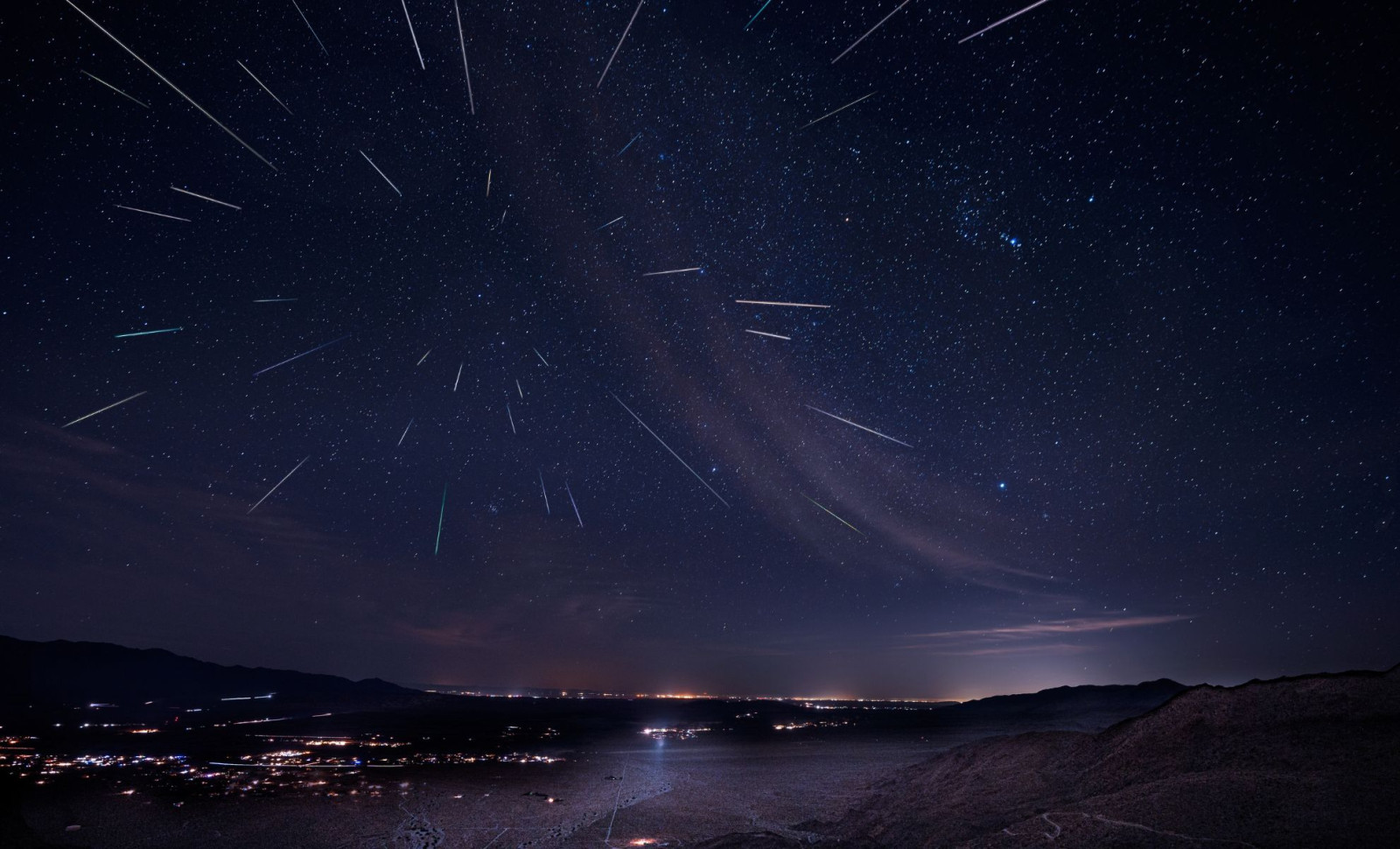
On the night of July 30-31, stargazers can witness two meteor showers simultaneously reaching their peak: the Southern Delta Aquariids and the Alpha Capricornids. This overlap signals the beginning of the late summer meteor season, although the glow of an almost full moon will likely obscure many of the dimmer shooting stars.
It's uncommon for two meteor showers to peak at the same time, offering a unique chance to observe meteors originating from two separate comet trails in just one night. Although both showers happen yearly, their concurrence makes for a particularly remarkable celestial event for those eager to explore the night sky.
However, viewing conditions won't be optimal. The Buck Moon will be nearly full on July 29, remaining about 98% illuminated during the meteor activity the following night. According to the American Meteor Society, this bright lunar light will obscure many faint meteors, even though the showers themselves maintain their usual activity levels.

Diverse Meteor Views From Two Showers
The Southern Delta Aquariids, active from July 12 to August 23, reach their peak during the night of July 30-31. In ideal darkness, this shower can produce up to 25 meteors per hour. According to The American Meteor Society, these mets tend to be faint and seldom generate bright fireballs, making visibility especially challenging under near-full moon conditions.
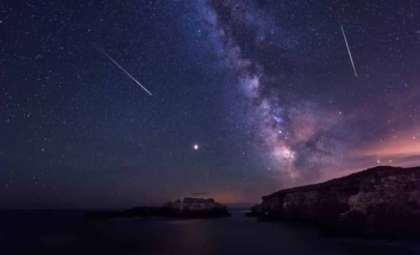
The Alpha Capricornids, which are active from July 3 to August 15, also peak on the same night. Their meteor count is lower, averaging about five meteors per hour, but they're renowned for frequently producing bright fireballs. Some meteors spectacularly glow in various colors while passing through Earth's atmosphere.
This dual chance means observers might witness two distinct meteor types during one session, despite the moonlight’s dimming effect on overall visibility.
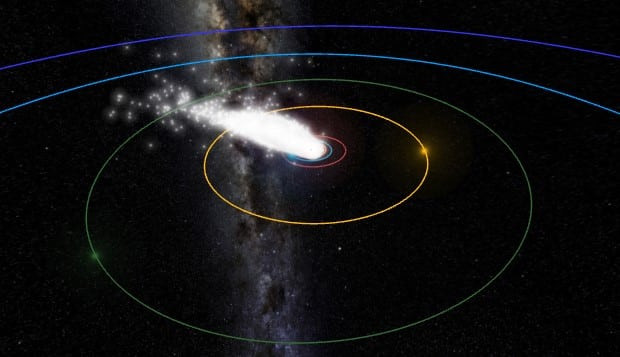
Bright Moonlight Dims Many Meteors
The primary obstacle this year is the Moon’s intense brightness. With the lunar surface still 98% illuminated, the nighttime skies will be brighter than usual, washing out many faint meteors.
As detailed byLive Science, a nearly full moon does not reduce the number of meteors entering the atmosphere; it simply makes the dimmer ones much harder to pick out. This effect will especially impact the Southern Delta Aquariids, whose meteors usually shine less brightly than those of the Alpha Capricornids.
Still, the coinciding showers offer a fantastic opportunity to attempt meteor photography or capture stunning images of the bright Moon.
Best Viewing From Midnight Until Dawn
For optimal chances to see these meteors, watchers should observe between midnight and dawn when the Southern Delta Aquariids’ radiant in the constellation Aquarius rises highest in the southern sky.
The report highlights that observers located in the southern United States, Mexico, and the Caribbean will enjoy a better vantage point, as Aquarius appears higher above the horizon in these areas compared to more northern latitudes.
To enhance visibility, it’s recommended to keep the Moon blocked by obstacles like buildings or trees and to gaze toward the darkest sections of the sky. For meteor showers, using the naked eye tends to be more effective than binoculars or telescopes because it allows a wider view.
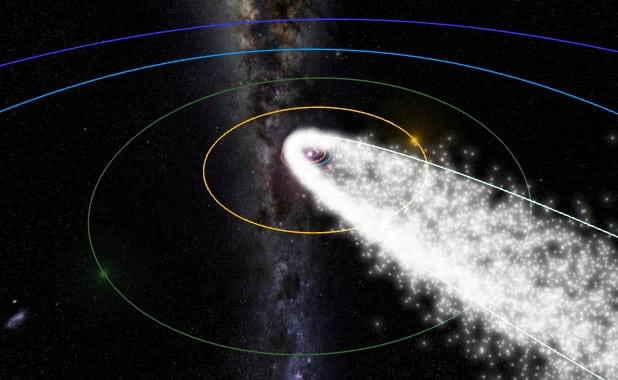
Those who miss the July meteor event will have another chance soon. The same source notes the Perseid meteor shower will peak on August 12-13, following the August 12 new moon, promising darker skies for superior viewing.
- Categories:
- Space







0 comments
Sign in to Comment