
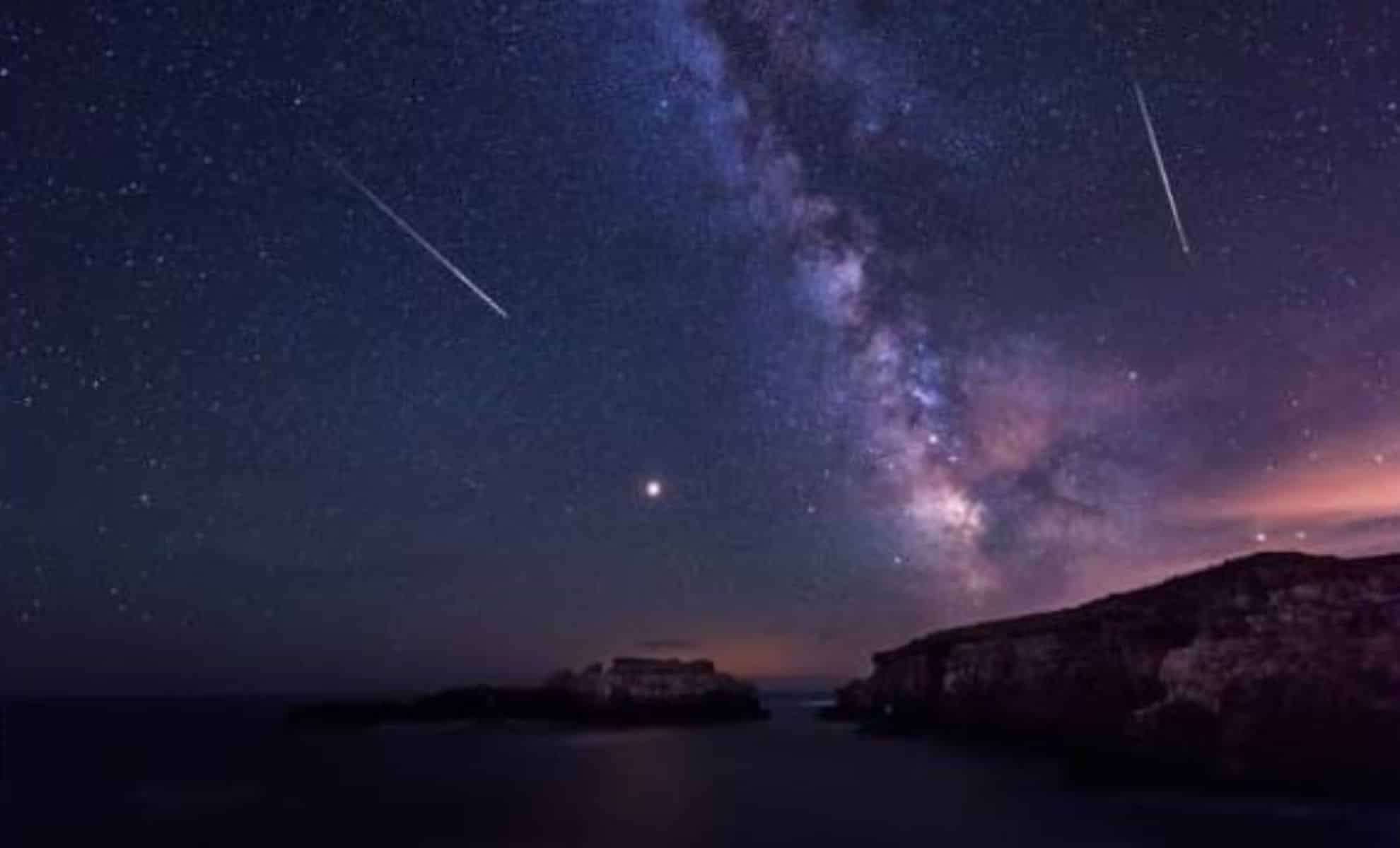
August 2024 promises an exciting lineup of celestial events for astronomy enthusiasts.
Among the key highlights are the dazzling Perseids meteor shower and the year's inaugural supermoon. Below is an in-depth overview of when and how to observe these cosmic spectacles.
Perseids Meteor Shower: Nights of August 12-13
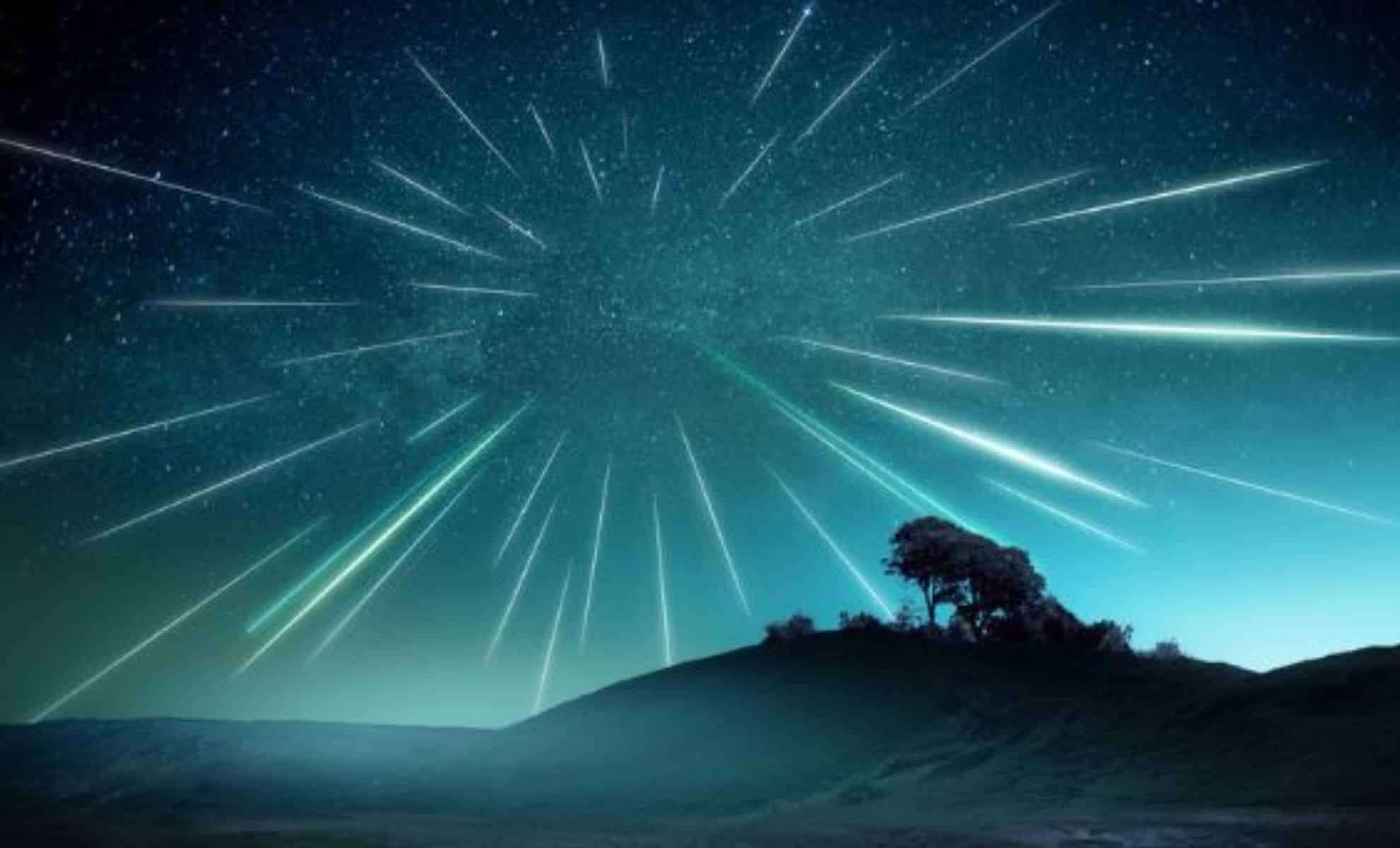
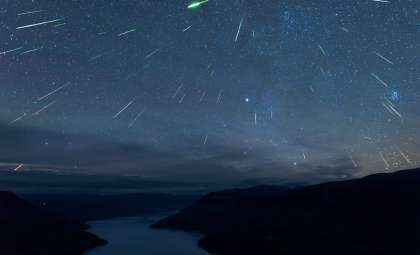
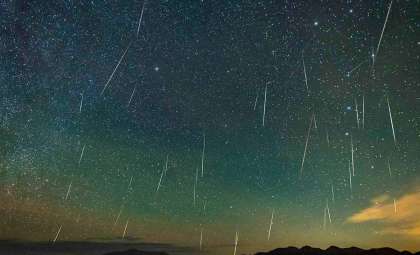
The Perseids are renowned as one of the most vibrant meteor showers annually, with peak activity expected on August 12 and 13. NASA reports the event can produce as many as 100 meteors each hour during its climax. Prime viewing is recommended between midnight and dawn, with the largest meteor counts appearing in the early morning. This year’s first quarter moon will provide darker conditions, enhancing the visibility of these streaking lights.

For the best experience, seek out dark areas away from city lights and ensure an unobstructed view of the sky. The Perseids become increasingly active before sunrise, so staying up late or waking early is advised. According to NASA, these meteors often display brilliant colors and can leave luminous trails, making them especially captivating. Aim your gaze toward the Perseus constellation in the northeast to east as the prime area to catch these meteors.
Close Approach of Mars and Jupiter: August 14
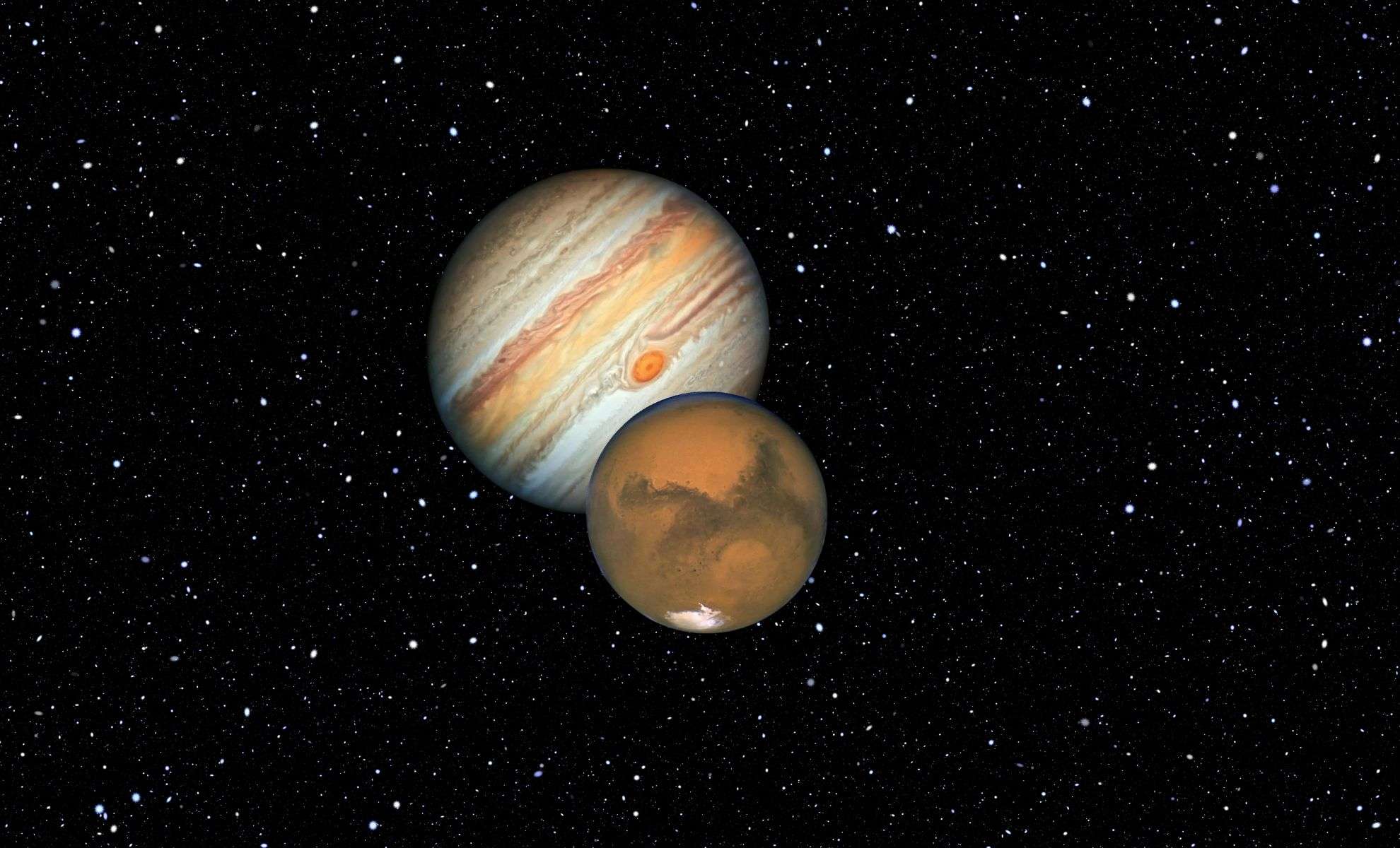
August 14 will feature a striking conjunction between Mars and Jupiter. These planets will appear separated by just 0.31 degrees in the pre-dawn hours. Although they will look near each other in the sky, they are actually separated by hundreds of millions of miles. Jupiter’s bright white glow will contrast beautifully with the reddish tint of Mars, creating an impressive scene visible without instruments.
Jupiter is expected to rise around 2:30 a.m. EDT, appearing in the east-northeast direction. Using binoculars or a telescope can reveal Jupiter’s moons and offer a closer view of both planets. This rare alignment provides a fantastic opportunity to observe two of our solar system’s largest planets side-by-side.
August’s First Supermoon: The Sturgeon Moon on August 19
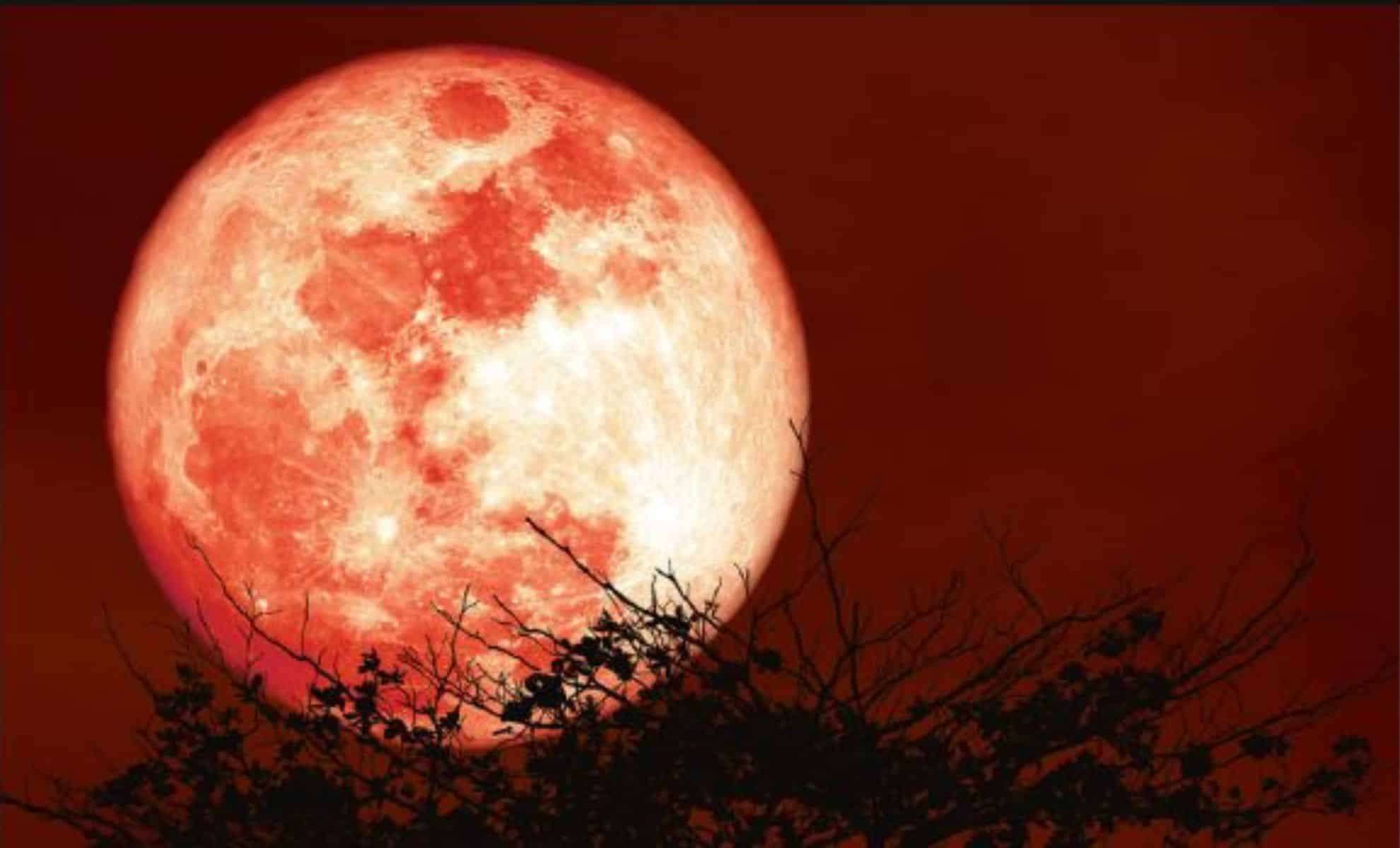
The year’s first supermoon, referred to as the Sturgeon Moon, will reach its fullest phase at 2:26 p.m. EDT on August 19. A supermoon occurs when the lunar orb is at its nearest point to Earth, causing it to appear larger and more luminous. The term “Sturgeon Moon” honors the large sturgeon fish that were commonly caught in the Great Lakes and Lake Champlain around this time.
Viewing the supermoon is best after sunset facing the southeast horizon. Its striking size upon rising offers excellent photographic opportunities. The Farmer’s Almanac also notes that August’s full moon carries additional names like the Blackberry Moon, Corn Moon, and End of Fruit Moon, reflecting various cultural and seasonal associations.
Comet C/2023 A3 (Tsuchinshan-ATLAS): Visible Late August through October
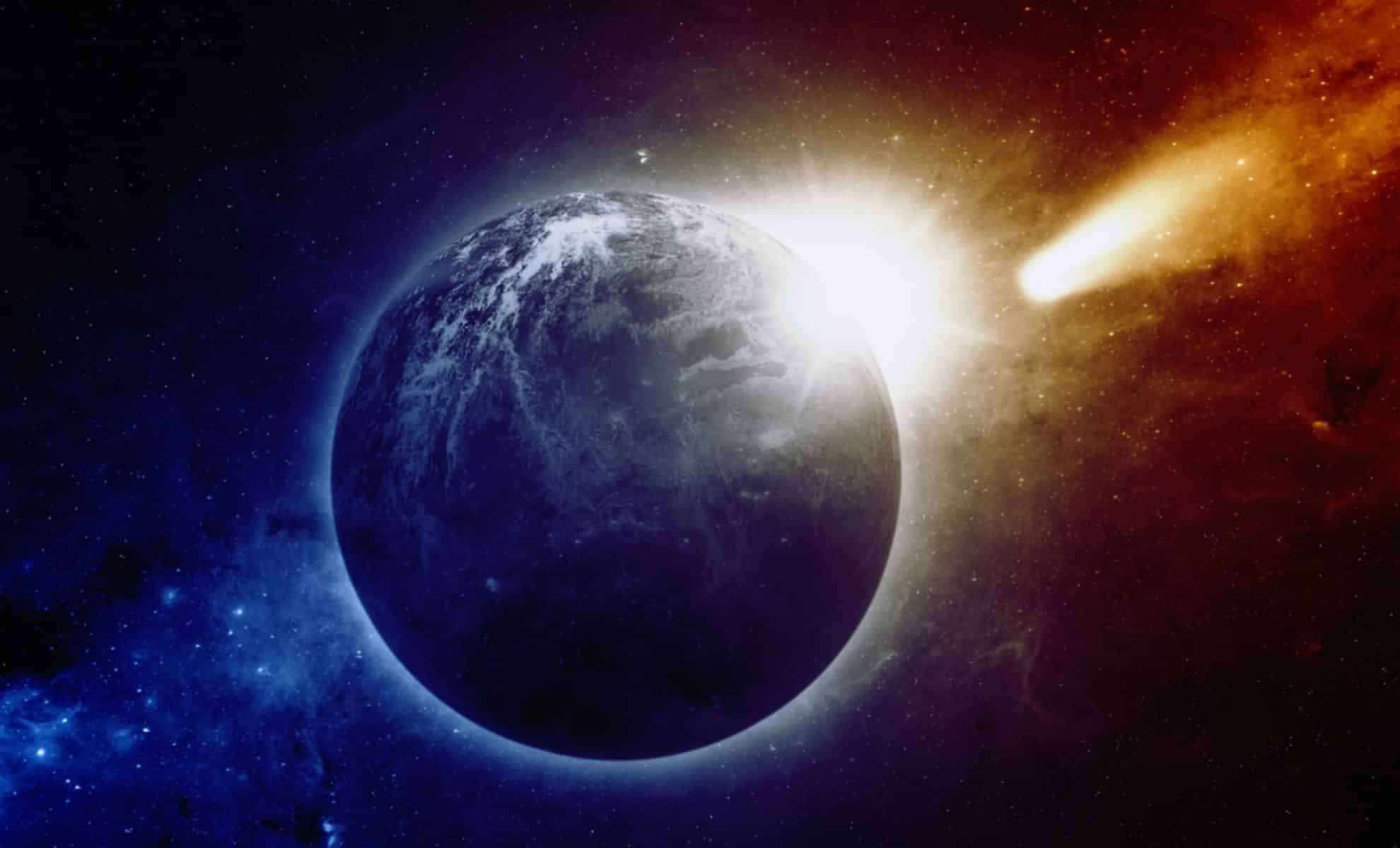
Beginning on August 28, look for Comet C/2023 A3 (Tsuchinshan-ATLAS) emerging within the Leo constellation. This recently detected comet might be seen with the naked eye as it nears perihelion. Originally discovered in China in January 2023, it was later identified again by astronomers in South Africa.
The comet’s brightness remains uncertain, with some experts cautioning it could break apart before becoming visible. Zdeněk Sekanina, a specialist in comet fragmentation, commented on the unpredictability: “Predicting this comet’s behavior is a very risky undertaking.” If it endures, it could provide a stunning addition to autumn night skies.
- Categories:
- Astronomy ,
- News ,
- Space





0 comments
Sign in to Comment