
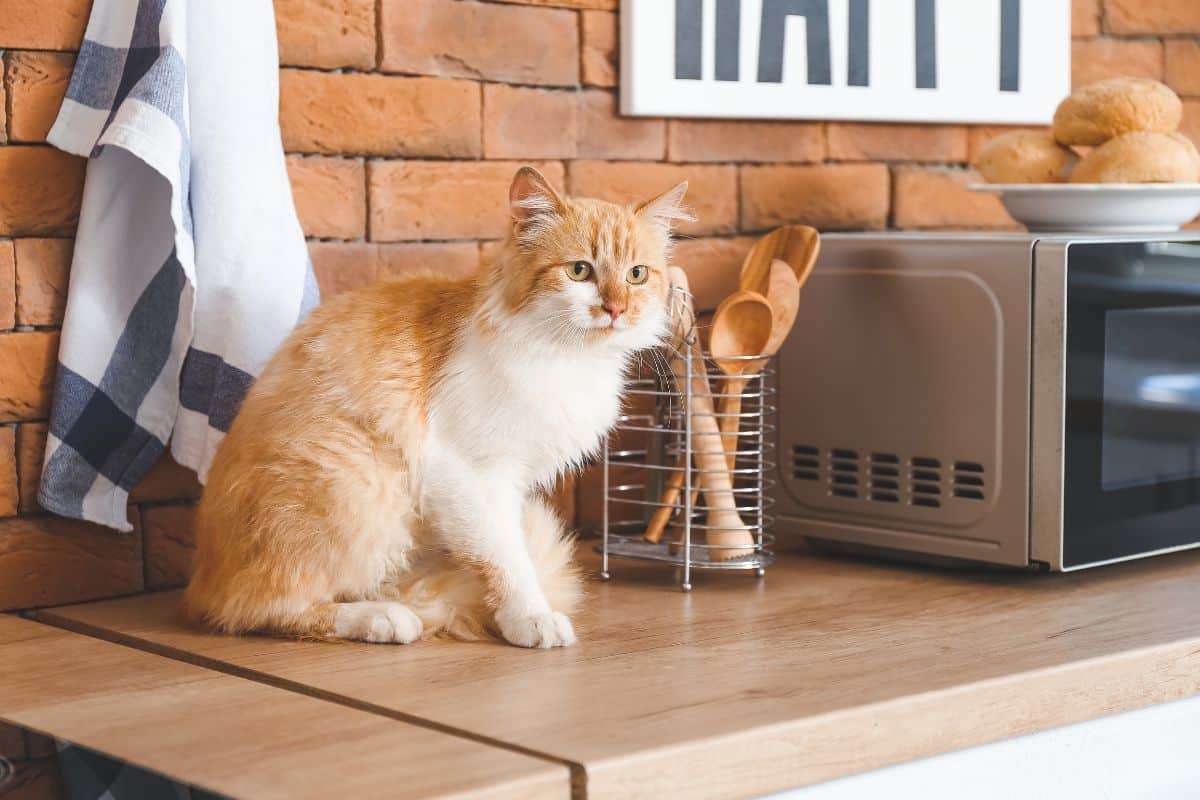
For years, pet owners have debated whether cats should be allowed to roam freely on kitchen surfaces. While some are relaxed about it, others worry about hygiene and health complications.
Veterinarian Dr. Marty Becker offers insight into the possible dangers and shares advice on how to keep a clean kitchen while cohabiting with your feline friend. The solution isn’t one-size-fits-all—it varies depending on several important considerations.
Health Concerns Linked to Cats on Kitchen Surfaces
A key issue arises from the possibility of spreading bacteria when cats walk on countertops. Despite cats’ self-grooming habits, they pick up microbes and pathogens, especially on their paws. After using the litter box, harmful germs can cling to their feet and be transferred to other areas of the home.
When cats tread on areas used for food preparation, they might introduce contaminants. This can elevate the chances of food poisoning or diseases that jump from pets to humans, known as zoonoses.

Ways to Reduce These Risks
You don’t have to ban your cat from counters completely. According to Dr. Marty Becker, simple hygiene measures can significantly lower the risk. Regularly wiping down surfaces with antibacterial cleaners before cooking is an effective practice.
Consistently disinfecting counters removes any germs your cat may have brought from dirtier places. This basic routine can noticeably lessen potential health hazards.
Dr. Becker’s Approach to Cats on Kitchen Counters
Though he supports sensible pet care, Dr. Becker chooses not to allow his own cats on kitchen counters to maintain hygiene. He acknowledges that common sense plays a crucial role.
He also points out that germs are everywhere—in dogs, on hands, and various household items. He sums it up with the phrase: “Lose the risk, keep the pet.” This means eliminating health risks doesn’t require excluding your pets, but rather being careful with cleanliness.
Understanding the One Health Initiative
Dr. Becker highlights the importance of the ‘One Health’ approach, a framework endorsed by the American Veterinary Medical Association. This concept connects human and animal health closely.
Veterinarians focus not only on treating animals but also on preventing diseases from spreading between pets and people. Maintaining good hygiene and ensuring your cat remains healthy contribute to safeguarding both your household and your pet.
When Owners Are Comfortable with Cats on Counters
For those less worried about their cats jumping on kitchen surfaces, Dr. Becker stresses that it’s acceptable with proper precautions. This includes routinely cleaning counters and scheduling vet visits to keep cats healthy.
Cats often feel safer on higher ground, so their preference for elevated spots is natural. As long as food safety and cleanliness are prioritized, occasional kitchen excursions by your cat aren’t necessarily problematic.
Finding Harmony Between Hygiene and Pet Companionship
Ultimately, the choice to allow cats on kitchen counters is personal. Dr. Becker suggests that maintaining cleanliness through routine disinfection and thoughtful pet care keeps both humans and cats safe from germs.
If you’re uneasy about bacteria, setting firm limits for your cat in the kitchen is fine. However, if you accept your cat’s presence there, just ensure consistent hygiene practices. Balancing the well-being of your family and your pet while keeping your space sanitary is key.
- Categories:
- Health











0 comments
Sign in to Comment