
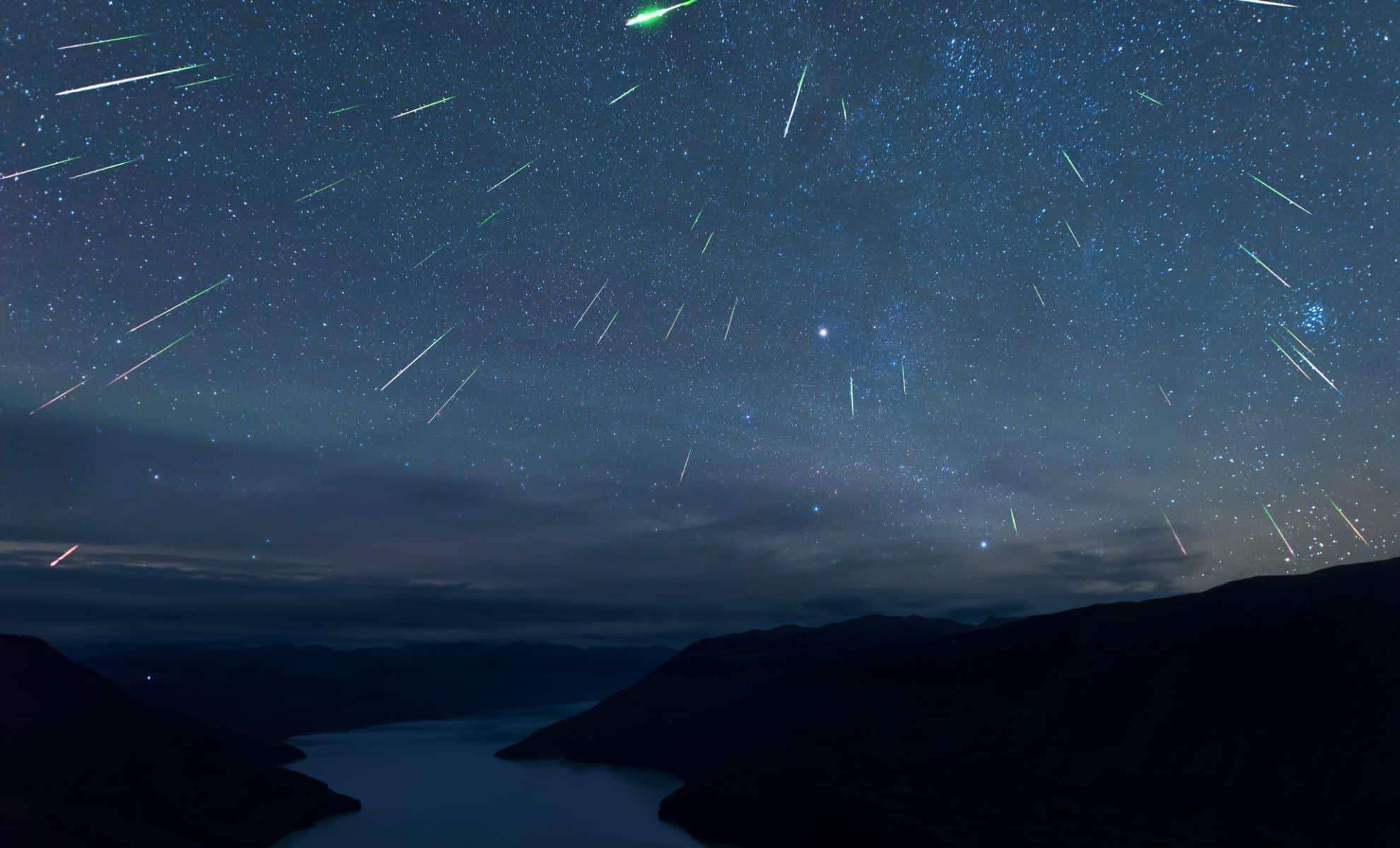
Astronomy enthusiasts have a chance to witness two consecutive meteor showers, the Alpha Capricornids and Southern Delta Aquariids, reaching their peak intensity next week.
This uncommon alignment presents a unique occasion to observe meteors from two separate comet debris streams, creating a dazzling night-sky spectacle.
Understanding the Event
Meteor showers happen when Earth passes through the dusty remnants left by comets. This month, our planet will traverse the debris fields of two distinct comets, triggering a dual meteor display. The Southern Delta Aquariids, sourced from Comet 96P/Machholz, are expected to peak on the nights of July 29 and 30, with an estimated 20 to 25 meteors visible every hour.

These meteors tend to be faint, manifesting as brief flashes streaking across the sky. Immediately afterward, the Alpha Capricornids, linked to Comet 169P/NEAT, will reach their pinnacle from July 30 to 31. Although producing fewer meteors—about five per hour—this shower is notable for its brilliant fireballs.
Tips for Optimal Viewing
To fully enjoy these showers, choose a location that is free from urban light pollution, such as countryside areas or elevated terrains. Darkness is essential for detecting the faint meteors of the Southern Delta Aquariids and the vivid fireballs of the Alpha Capricornids.
Peak viewing generally occurs after midnight when the radiant points rise higher in the night sky. The Alpha Capricornids emanate from the Capricornus constellation, so meteors will appear to emerge from this area.
For the Southern Delta Aquariids, the radiant lies within Aquarius. Observers should lie down facing south, gazing upward to increase meteor sighting chances.
This position covers a broad section of the sky, enhancing visibility. Bringing comfortable gear, warm clothes, and snacks is recommended for a pleasant stargazing session.
Moonlight and Weather Effects
Moon phases can influence meteor visibility; however, during this event, the moon will be a slim crescent—about 20% illuminated—minimizing any impact.
As a waxing crescent, the moon sets early in the evening, ensuring darker skies during the prime meteor hours. Allow at least 20 to 30 minutes for your eyes to adjust to the darkness to improve night vision.
Reduce exposure to bright screens or lights before and during watching to lessen light pollution and enhance your ability to detect dim meteors.
The shooting stars may appear anywhere across the sky but will seem to originate from the Aquarius and Capricornus constellations. Familiarity with these star patterns beforehand will aid in spotting the meteors.
The Scientific and Cultural Value of Meteor Showers
Meteor showers do more than dazzle—they provide important data about cometary makeup and the dynamics of how comets interact with the sun and other space objects. The debris that causes these showers results from comet material vaporizing as they near the sun.
When these particles enter Earth’s atmosphere at great speed, friction causes them to ignite, creating the bright streaks we classify as meteors. Researching their composition helps astronomers learn about the early solar system, comet origins, and the properties of cosmic dust.
Across history, meteor showers have been noted by many cultures, sometimes seen as celestial messages or omens. Today, these events continue to inspire fascination and connect humanity with the cosmos, reminding us of the ever-changing nature of our solar vicinity, where ancient celestial fragments regularly intersect with our planet.
Looking Ahead to Future Sky Events
These two showers, the Alpha Capricornids and Southern Delta Aquariids, are part of an annual series that includes the well-known Perseids, expected to peak in mid-August. The Alpha Capricornids, although currently modest, are predicted to intensify as Earth encounters denser parts of their comet’s debris path in centuries ahead.
This forecast hints that future observers may witness even grander meteor displays, deepening our understanding and admiration of these stellar phenomena. Following these showers, the Perseids will grant another brilliant chance to enjoy vibrant meteors and high rates.
Advances in technology and growing interest in space science offer more opportunities for astronomical research and public participation in astronomy, encouraging wider engagement with the wonders of the universe.
- Categories:
- Astronomy ,
- News ,
- Space








0 comments
Sign in to Comment