
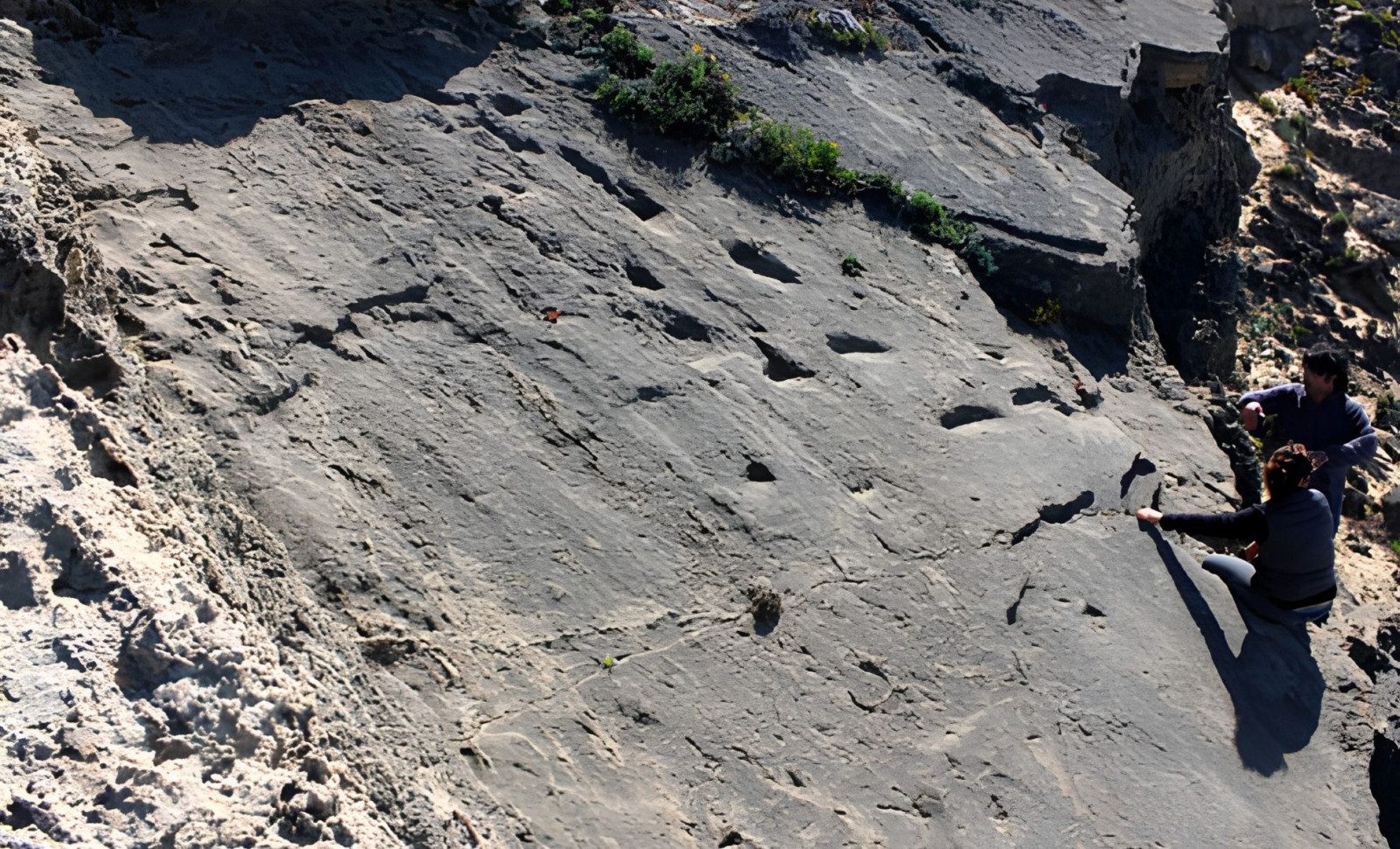
Researchers have uncovered Neanderthal footprints estimated to be about 80,000 years old along Portugal’s southwestern shoreline. These ancient imprints illustrate adults, children, and potential hunting groups navigating coastal dunes from millennia ago.
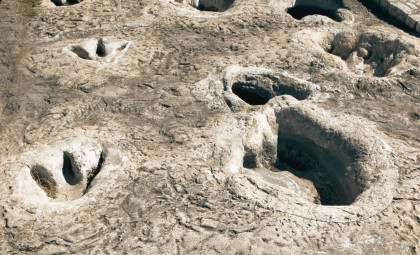
The tracks were located at Praia do Monte Clérigo and Praia do Telheiro, two significant archaeological sites showcasing Neanderthal interactions within a once dune-rich, forested, and coastal ecosystem. Unlike traditional archaeological remains like tools or bones, footprints capture instantaneous movement, revealing precisely where individuals traveled.
This finding offers scientists a fresh perspective on the everyday existence of Neanderthals in Western Europe. It uncovers subtle details often lost in other archaeological records, such as children’s presence and group spatial usage.

Dr. Carlos Neto de Carvalho from the Geology Office of the Municipality of Idanha-a-Nova and the University of Lisbon explains that footprints can document moments ranging from group movements to pursuits and individual presence in specific locations.
Neanderthal Trackways Discovered on Portugal’s Ancient Shoreline
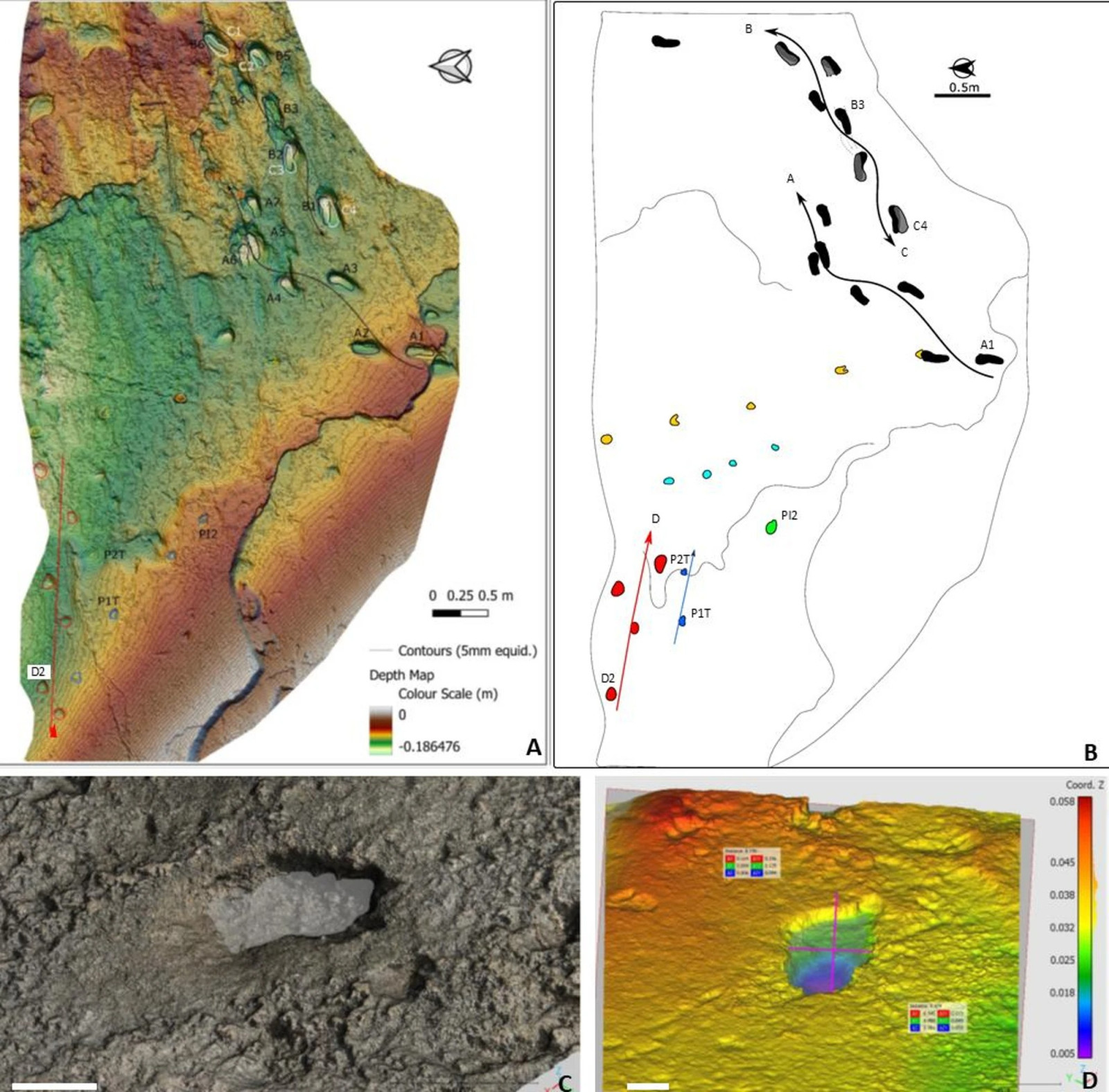
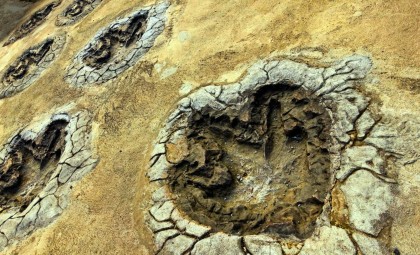
At Monte Clérigo, five pathways containing 26 footprints left approximately 78,000 years ago were found on an ancient coastal dune slope. These belonged to both adults and children.
These footprints are especially significant due to the identification of impressions left by very young individuals, including a child estimated to be just over a year old, based on the footprint size.
“Through the number, size and arrangement of the footprints, it is possible to infer the minimum number of individuals present, their age range (children, adolescents, adults) or the possible division of tasks (e.g. a hunting party),” as explained by the scientists.
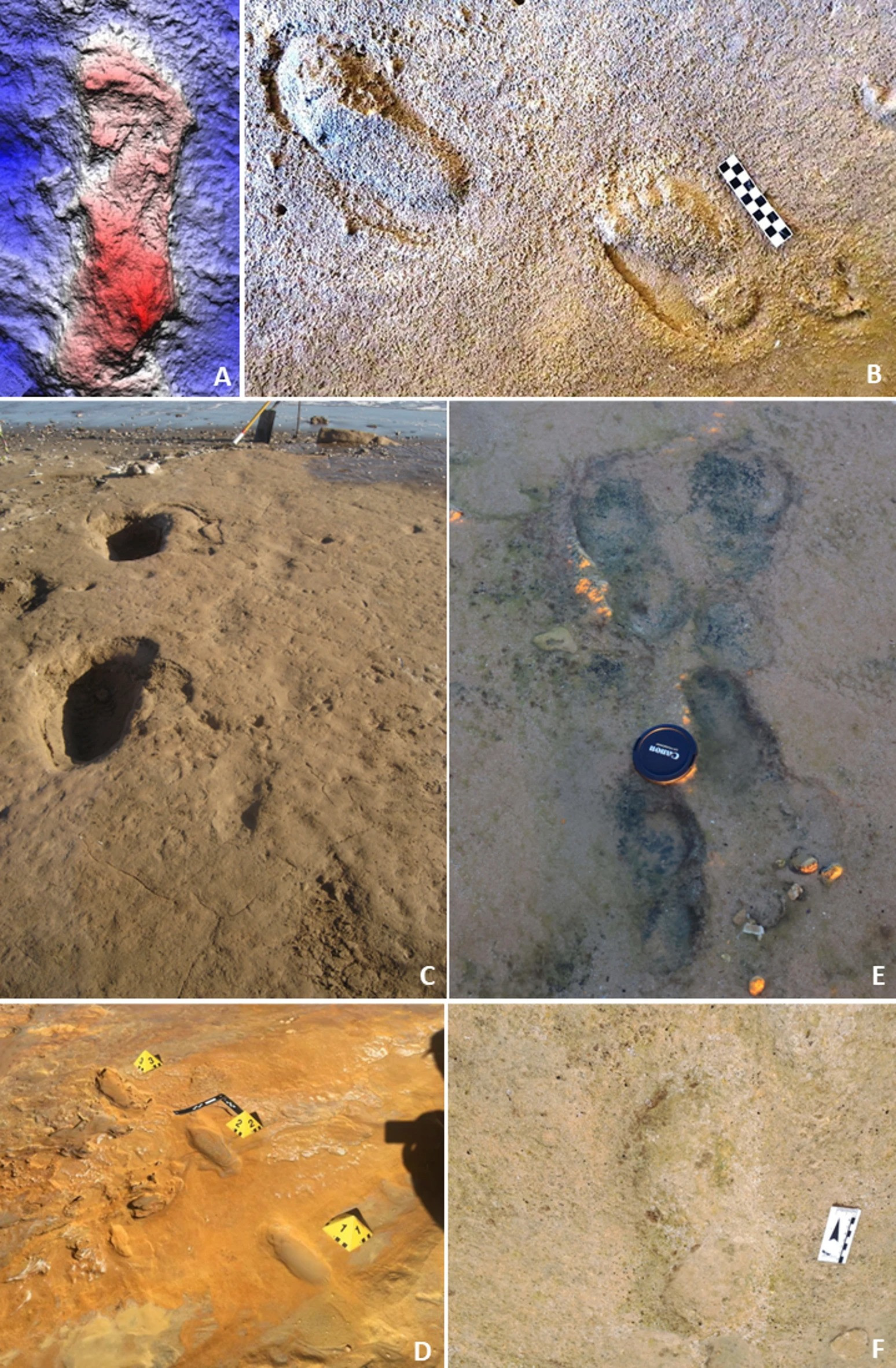
The footprints also suggest that Neanderthals altered their gait in response to the terrain. Traversing steep dunes required adaptive movement, and the pattern of tracks indicates that these groups followed deliberate pathways rather than wandering aimlessly.
Insights into Neanderthal Hunting Behavior from Footprints
The footprints discovered in Portugal provide valuable clues regarding Neanderthal interactions with local wildlife. Notably, the overlap between human and deer tracks implies simultaneous presence on the dunes.
Presented in Scientific Reports, the study suggests that these overlapping prints may reflect hunting-related behavior, with Neanderthals possibly stalking or tracking their prey.
The researchers highlight how the footprint evidence can indicate group activities, including coordinated hunting. The dune topography might have offered vantage points for observing animals and strategizing approaches.
The investigation further emphasizes Neanderthals’ exploration of diverse environments like coastal areas, forests, dunes, and riverbanks. Unlike artifacts alone, footprints provide a direct glimpse into how ancient humans navigated their surroundings.
Coastal Ecosystems Shaped Neanderthal Adaptations
These findings also shed light on the dietary habits of Neanderthals inhabiting this Portuguese region. Evidence points to a diet primarily composed of deer, horses, and hares, supplemented by resources from adjacent coastal environments.
“The consistent presence of these mammal species highlights their role as reliable food sources, irrespective of the varying environments inhabited by Neanderthals,” the authors said. “In addition, the Neanderthal diet also incorporated animals from neighboring littoral habitats, indicating a broad foraging strategy that capitalized on local biodiversity.”
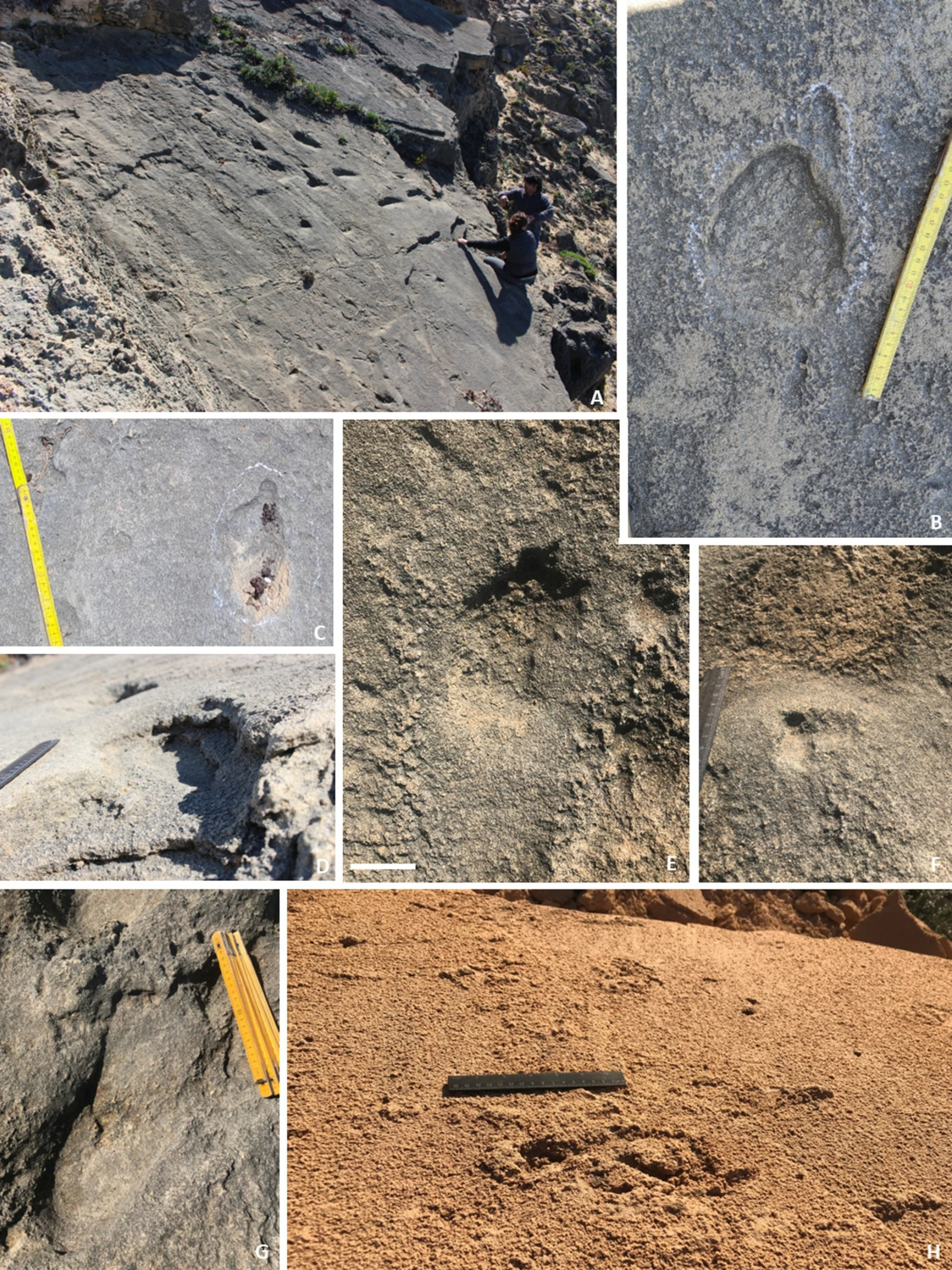
Beyond dietary clues, footprints found at Praia do Telheiro reveal another dimension of Neanderthal coastal activity. A single footprint, dated to roughly 82,000 years ago and likely made by a teenager or adult female, was discovered alongside bird tracks typical of rocky and coastal habitats. This suggests Neanderthals actively traversed shoreline landscapes.
- Categories:
- Science







0 comments
Sign in to Comment