
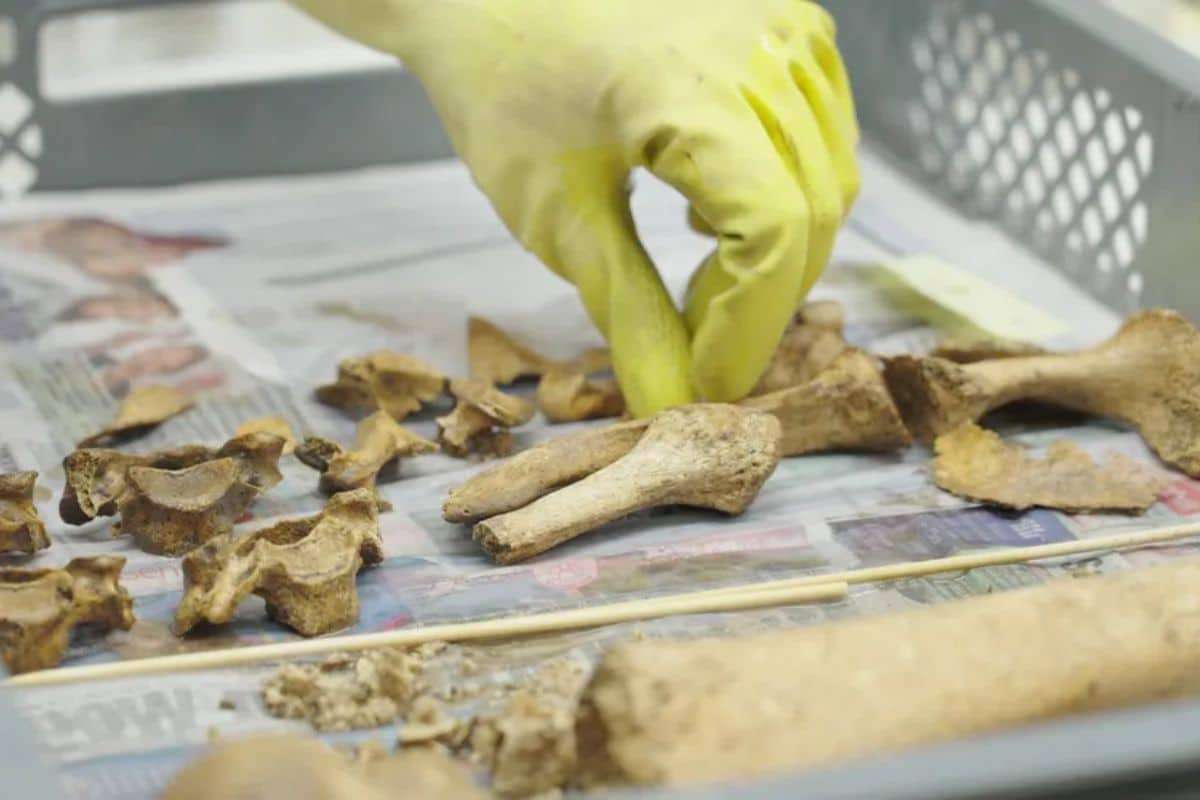
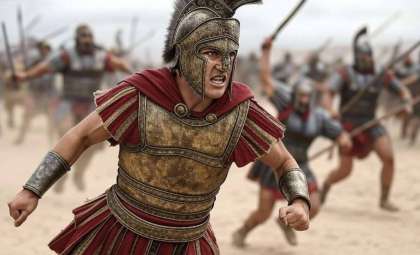
During renovation work in Vienna’s southern district of Simmering, archaeologists have identified an extraordinary mass burial site containing the remains of approximately 150 Roman soldiers. This remarkable find was uncovered beneath a local soccer field in October 2024.
A Warzone Revealed Underneath the Playing Field
The gravesite holds exclusively male skeletons alongside various armor fragments, weapons, and other military artifacts, confirming the occupants as Roman combatants.
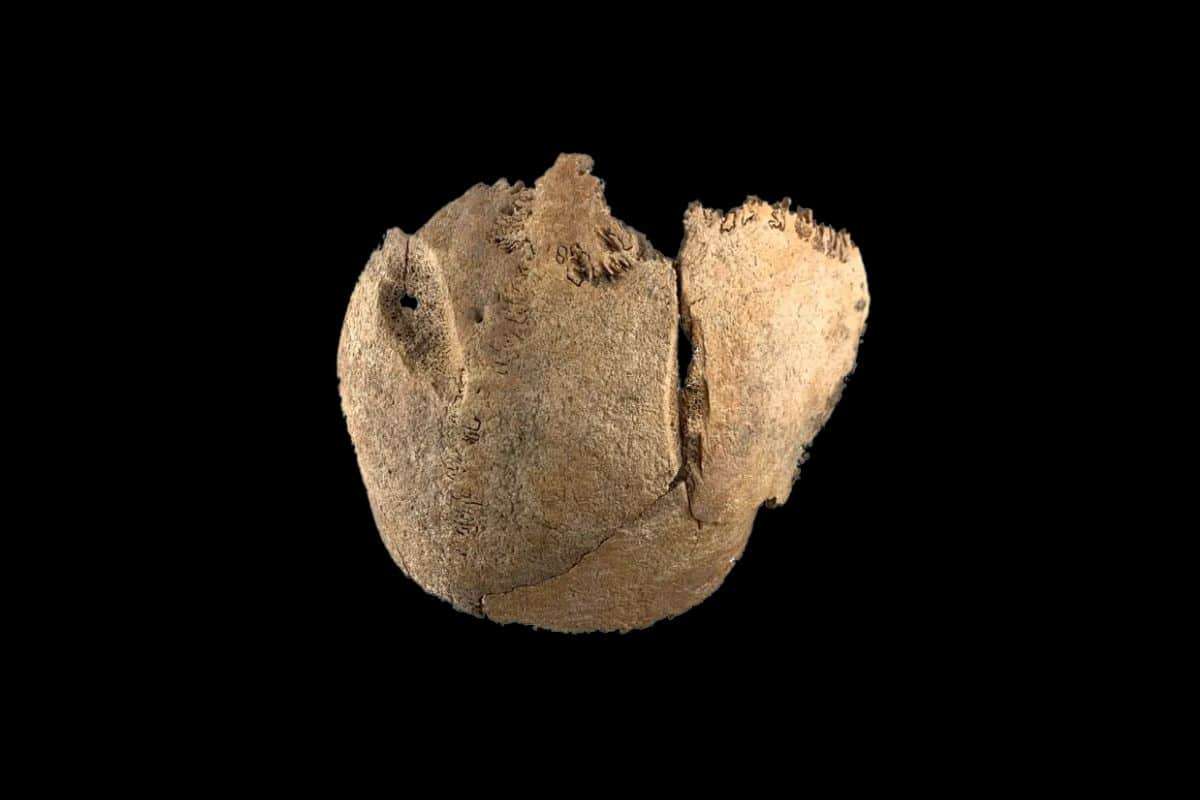
City officials report that the injuries evident on the bones were caused by close-range fighting, characterized by lance, dagger, and sword wounds. This suggests a brutal clash probably connected to battles along the Germanic Limes, the Roman Empire’s northern boundary.
Unusual Burial Practices for This Era
This discovery is notable not only for its scale but also because it features body burials, which contrast with the prevalent Roman custom of cremation in European territories around 100 A.D.
“Roman burial customs were rigidly established, including strict post-mortem rites,” explained Kristina Adler-Wölfl, head of archaeological affairs in Vienna.
“Because cremation was generally practiced in the European regions of the Roman Empire around 100 AD, the intact interment of bodies is exceptionally rare.”

Signs Pointing to Coordinated Combat
The skeletal remains' condition and positioning strongly indicate these soldiers perished in battle rather than from illness or other causes. “The trauma present on the bones clearly originates from combat,” noted Michaela Binder, bioarchaeologist at Novetus, the organization examining the site.
She added: “Given the all-male composition and the skeleton arrangement, the site is unlikely to be a military hospital or linked to an epidemic.”
The soldiers were, on average, 5 feet 7 inches tall, slightly taller than typical Roman legionaries and similar in stature to their Germanic foes.
Vindobona's Role in Border Conflicts
This graveyard is situated a few miles from Vindobona, a vital Roman military fortress that eventually evolved into modern Vienna. By the third century A.D., Vindobona supported thousands of troops and housed around 20,000 civilians.
Although historical texts refer to repeated skirmishes with local Germanic tribes, this discovery delivers concrete archaeological evidence of such conflicts near Vindobona. Authorities believe the mass grave could represent the fallout of a significant battle that resulted in further fortification of the settlement.
Unlocking More Secrets From the Remains
Ongoing investigations are focusing on both the human remains and the surrounding artifacts, which include weapons, armor shards, and shoe nails.
Further studies plan to use advanced techniques like ancient DNA sequencing and isotope analysis to shed light on the soldiers’ backgrounds, health, and lifestyles prior to their deaths, enriching our understanding of their roles within the Roman military frontier wars.
- Categories:
- News








0 comments
Sign in to Comment