
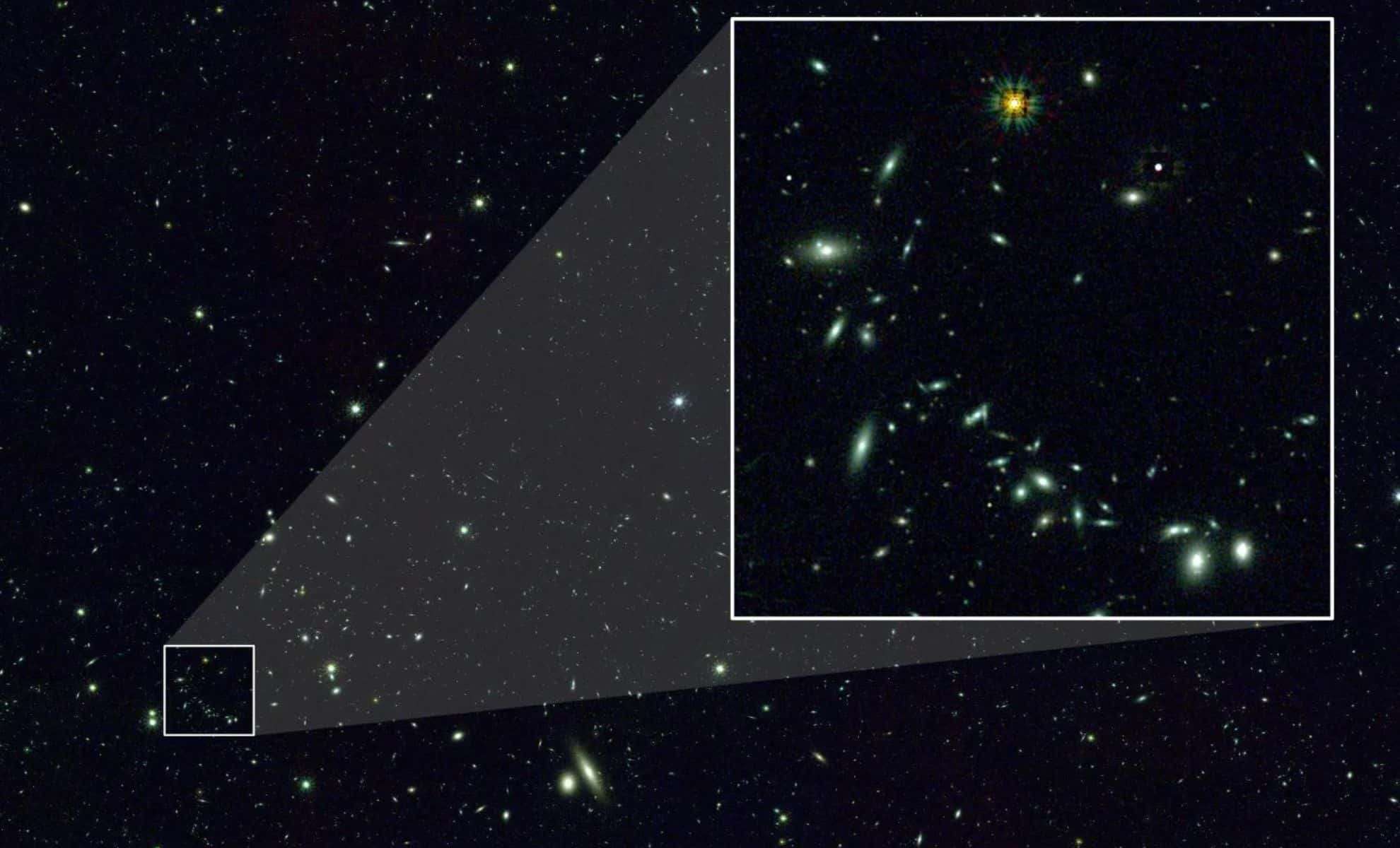
Advanced supercomputing is providing scientists with an unprecedented glimpse of the cosmic vistas soon to be captured by NASA’s Nancy Grace Roman Space Telescope and the Vera C. Rubin Observatory.
This cutting-edge simulation effort is set to deepen our knowledge of the universe and streamline preparations for future scientific breakthroughs.
Harnessing Supercomputers for Detailed Space Simulations
Using the vast computational capabilities at the U.S. Department of Energy’s (DOE) Argonne National Laboratory, researchers have generated nearly four million synthetic images of the universe. These simulations are crafted to closely mimic the data expected from NASA’s Nancy Grace Roman Space Telescope and Chile’s Vera C. Rubin Observatory.

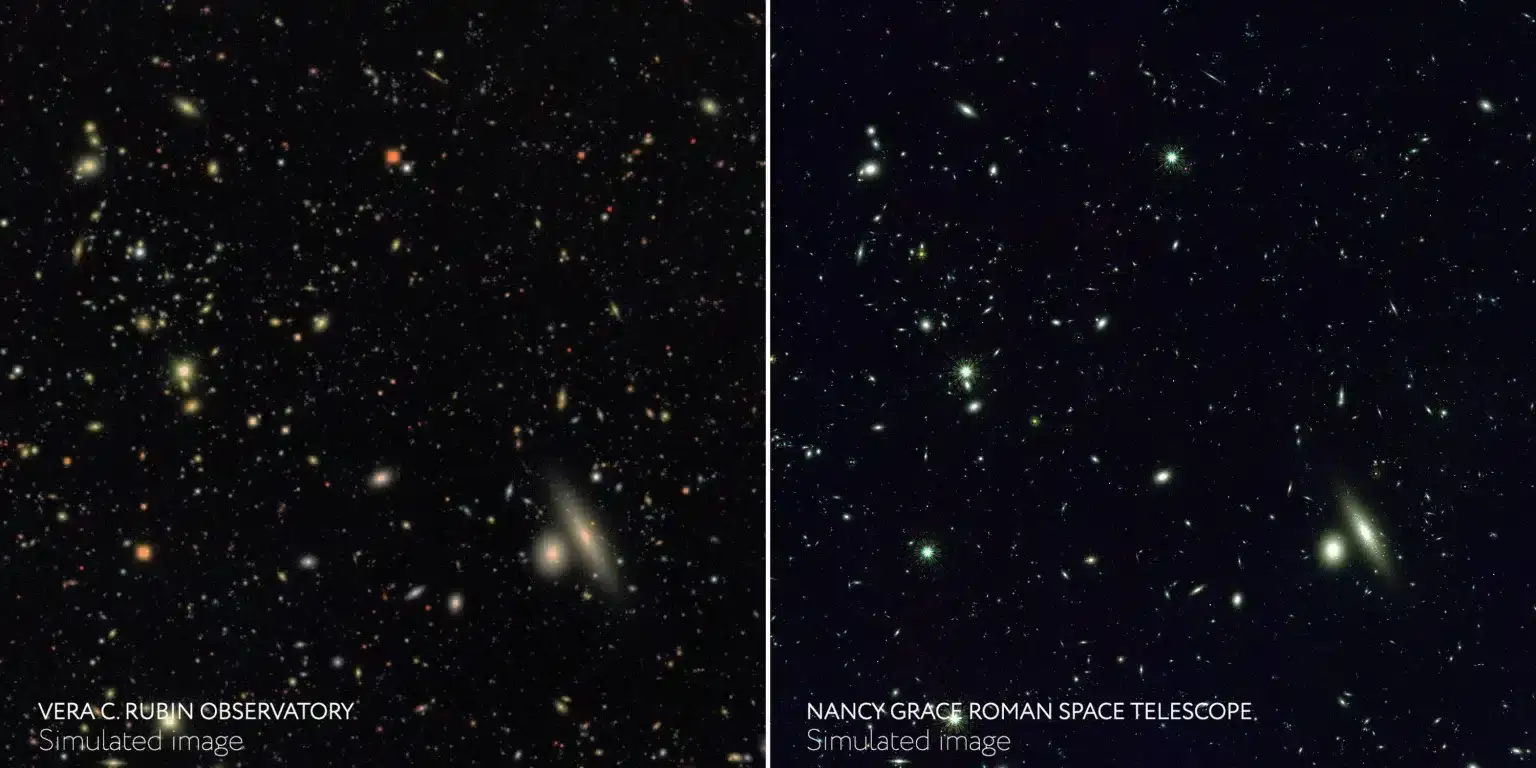
Leading this simulation initiative was Michael Troxel, a physics associate professor at Duke University, as part of the extensive OpenUniverse project. A 10-terabyte subset of this simulated data has already been made public, with the remaining 390 terabytes slated for release later this year.
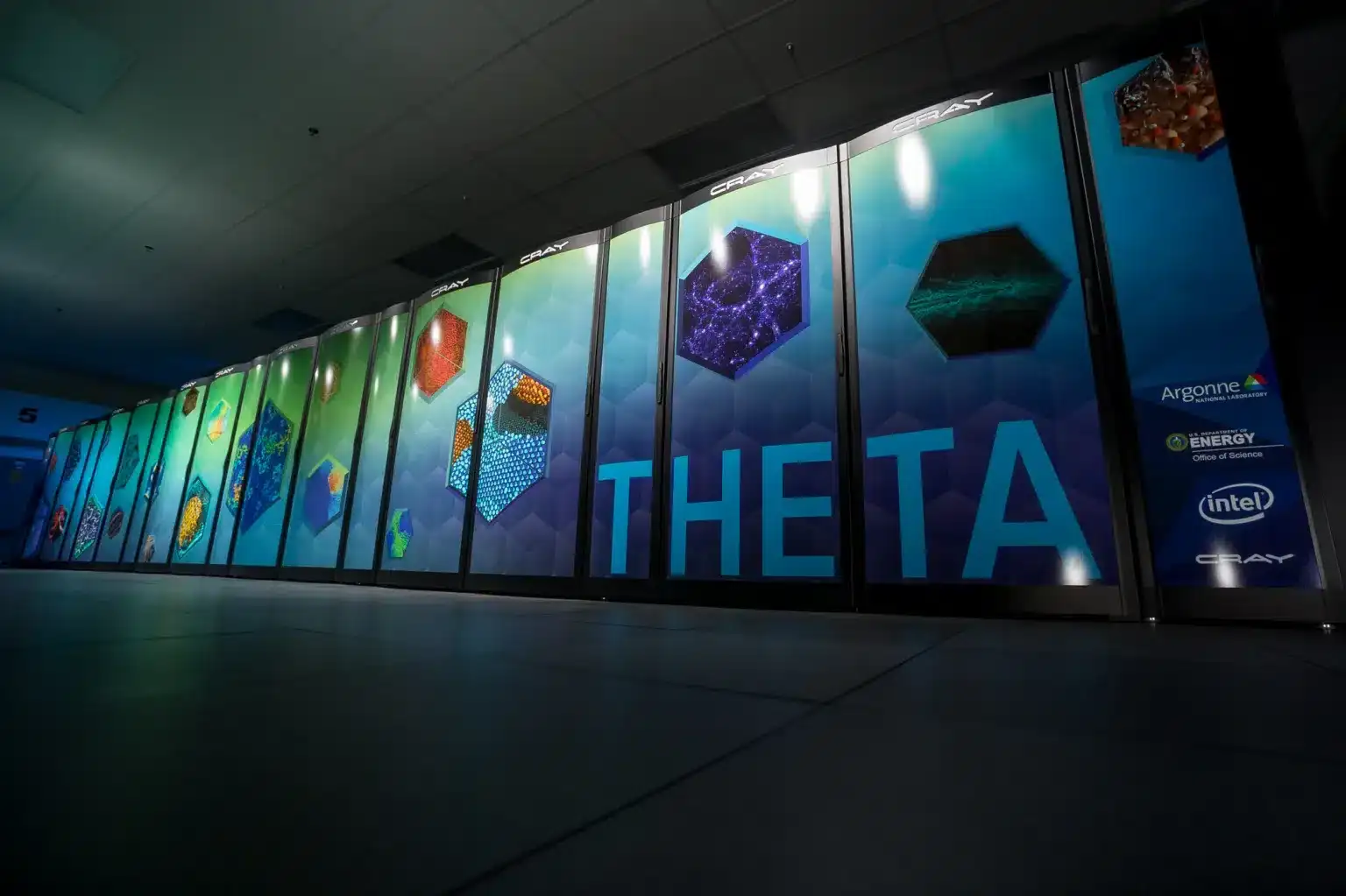
The simulations were carried out on Argonne’s retired Theta supercomputer, which completed the work in roughly nine days — an achievement that would have required nearly three centuries on a conventional laptop. “Using Argonne’s now-retired Theta machine, we accomplished in about nine days what would have taken around 300 years on your laptop,” said Katrin Heitmann, cosmologist and deputy director of Argonne’s High Energy Physics division. This milestone highlights the indispensable role supercomputers play in advancing cosmology.
Readying for Upcoming Observational Campaigns
These simulations stand out by incorporating detailed instrument performance models, offering the clearest depiction yet of how Roman and Rubin will observe the heavens. The Vera C. Rubin Observatory expects to commence observations in 2025, followed by the NASA Roman Space Telescope launching in May 2027.
Achieving high simulation fidelity is essential since both telescopes will collect data vital for uncovering subtle cosmic clues, potentially unraveling the secrets of dark matter and dark energy.
“OpenUniverse enables us to set realistic expectations for discoveries from these observatories,” noted Jim Chiang, a staff scientist at DOE’s SLAC National Accelerator Laboratory. This foresight helps researchers sharpen their data analysis strategies, ensuring rapid and accurate interpretation when real observations begin. By thoroughly understanding instrument effects embedded in the images and refining analysis pipelines now, scientists will be equipped to extract meaningful signals, even from faint cosmic sources.
Collaborative Effort Fuels Innovation in Astronomy Simulations
This enormous simulation project was made possible through close collaboration among the DOE, Argonne, SLAC, NASA, and several academic institutions, illustrating the power of partnership in solving complex scientific puzzles. “Only a handful worldwide possess the expertise to run simulations of this caliber,” said Alina Kiessling, a research scientist at NASA’s Jet Propulsion Laboratory and the lead investigator of OpenUniverse. “This ambitious work succeeded due to the combined efforts of DOE, Argonne, SLAC, and NASA, pooling top experts and resources.”
The simulated sky area covers about 0.08 square degrees, roughly one-third the angular area of a full Moon. Once completed later this year, the full simulation will extend over 70 square degrees—equivalent to approximately 350 full Moons. By merging data from both telescopes, researchers leverage Rubin’s expansive sky coverage alongside Roman’s sharper, deeper imaging, resulting in richer and more precise astronomical data.
Advancing the Frontiers of Astrophysical Research
These simulations offer more than just a preview—they act as practice runs for scientists analyzing upcoming data from Roman and Rubin. By modeling the telescope outputs ahead of time, researchers can fine-tune their processing workflows to handle the substantial data volumes efficiently, paving the way for future discoveries.
The initiative also involves developing new tools to support Roman’s expected massive data inflow. Through the OpenUniverse project, these tools streamline data handling and analysis, making them more accessible and effective. “We’ve made remarkable progress in simplifying these pipelines and making them user-friendly,” explained Kiessling. Collaborations with key centers like Caltech/IPAC’s IRSA (Infrared Science Archive) are essential for making simulated datasets widely available, ensuring scientists are well-practiced before real observations arrive.
Deepening Insights into Cosmic Mysteries
The combined Roman and Rubin simulations provide a unique platform to cross-validate and enrich observations from both telescopes. This combined method pairs Rubin’s wide-angle surveys with Roman’s higher resolution, deeper glimpses, allowing discoveries unattainable by either alone. Such synergy promises refined measurements of dark matter, dark energy, and cosmic evolution.
By linking these simulations, researchers can address challenges like resolving multiple closely spaced objects that appear blended in Rubin’s images and apply these insights across its broader survey. This unified approach will enable more detailed and accurate studies of the universe’s large-scale structure and the physical processes that shape it.
- Categories:
- Astronomy ,
- News ,
- Space ,
- Nasa




0 comments
Sign in to Comment