
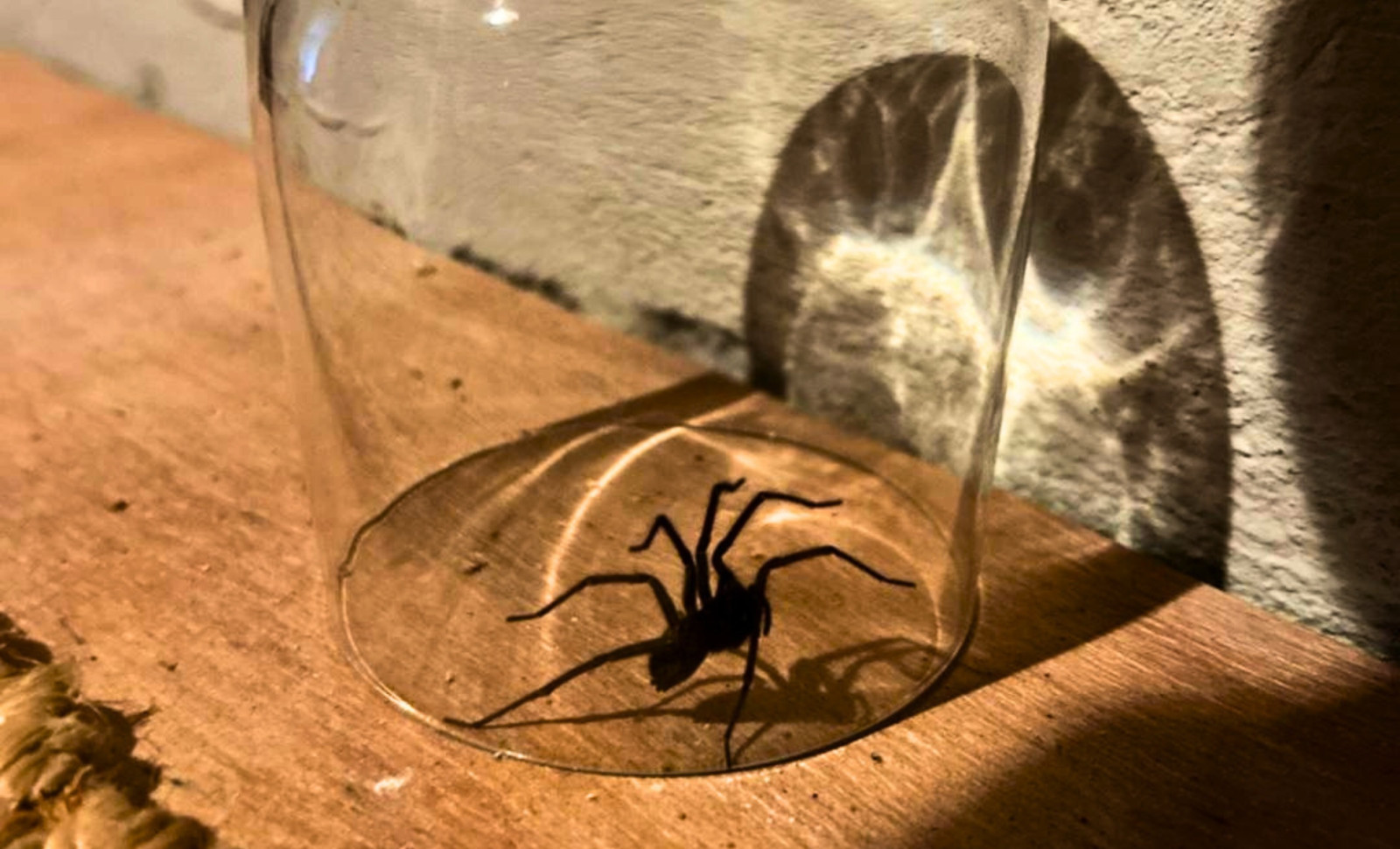
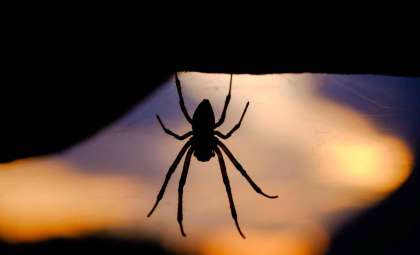
When a spider appears on a wall, the usual reaction involves trapping it under a glass and sliding a paper beneath before carrying it outside, as if restoring it to its rightful place. This approach feels kinder than squashing it or leaving it indoors.
This behavior is driven by the belief that house spiders must have strayed in from outside and so belong back outdoors. The reasoning seems logical since gardens and shrubs appear to be their natural environment, unlike bathrooms or kitchens. Yet, spiders encountered indoors might not be accidental visitors at all.
Experts in arachnology reveal a contrasting perspective. Many spiders found inside have adapted to living within homes, where temperature, shelter, and food sources remain consistent. Exiling them outdoors may expose them to harsh conditions they are unequipped to handle.

Not All Indoor Spiders Are Outdoor Visitors
Rod Crawford from the Burke Museum of Natural History and Culture clearly addresses this in the museum’s guide to spider myths. He emphasizes that you cannot return a spider "back" outside if it never originated there. While some species can survive outdoors, many indoor dwelling spiders struggle or perish quickly once removed from the indoor environment. This insight complicates what seemed like a benevolent gesture.
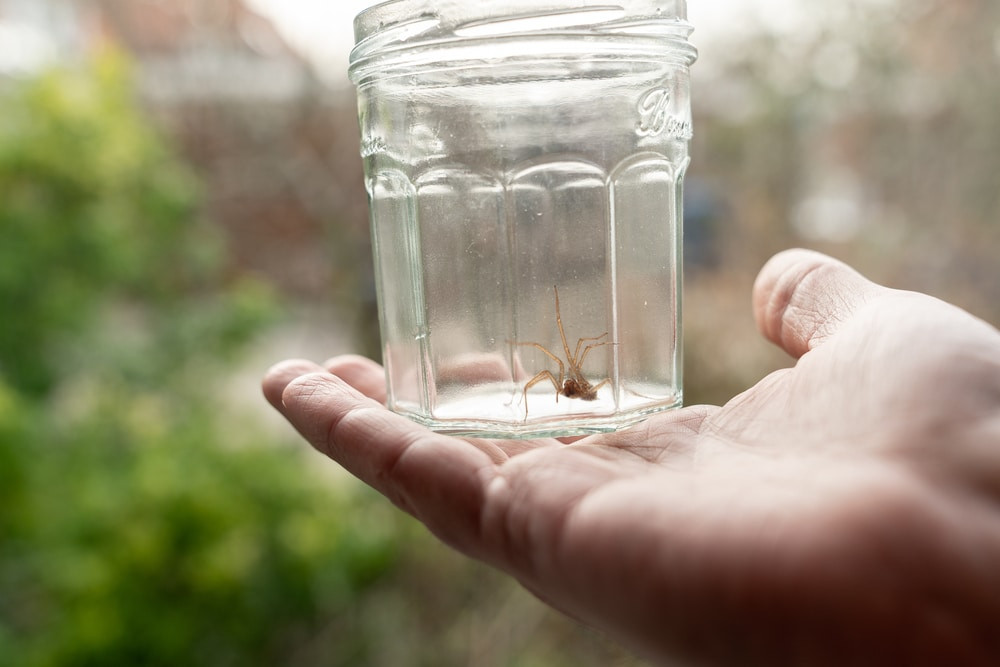
Experts draw a line between spiders adapted to indoor life and native outdoor species. Recognizing this distinction is crucial before releasing spiders outside. A house spider that has made a building its home may already inhabit the optimal place for shelter and food availability.
In an interview mentioned by Live Science, Crawford notes that while local native spiders can thrive outdoors, species that have adapted to indoor life often cannot survive outside due to their evolved tolerance for specific conditions.
Outdoor Environments Can Be Hostile for Indoor Spiders
The threat extends beyond just cooler temperatures. Spiders accustomed to indoor settings can suddenly confront an array of hazards like natural predators, chemical pesticides, and fluctuating weather conditions. What seems like a release into freedom might actually be a transfer to a more perilous habitat.
Crawford offers examples highlighting how specialized spider habitats can be. The American house spider, Parasteatoda tepidariorum, likely originates from northern South America and would thrive outdoors only if your garden has a similar climate, such as Brazil or Guyana. Thus, survival depends more on familiar environmental conditions than simply being outside.
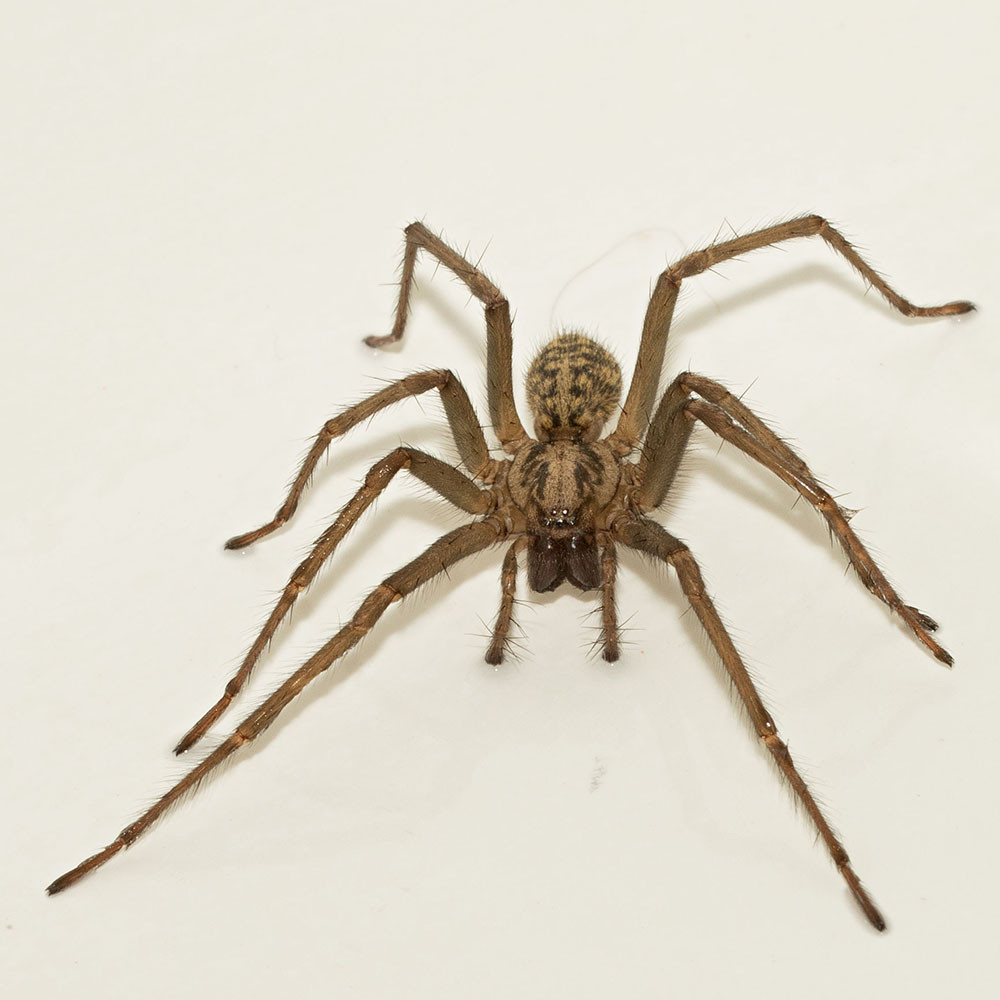
He also references the giant house spider, Eratigena atrica, originally from England but now found indoors in the Pacific Northwest. Despite Seattle’s climate resembling London’s, this spider rarely appears in natural settings there and prefers human-made shelters like buildings, piles of bricks, and retaining walls. It can survive outside only within these artificial refuges.
The Beneficial Role of House Spiders Indoors
Another consideration experts have is the positive impact of indoor spiders. They play a vital role in controlling populations of flies, mosquitoes, moths, and other pests within homes. The Burke Museum succinctly labels house spiders as generally harmless and helpful.
Crawford points out that most spiders spotted inside belong to larger indoor colonies, sometimes numbering from dozens to hundreds. These populations thrive in quiet places like crawl spaces, basements, and corners, quietly managing pest insects. So, the single spider seen on a bedroom wall is likely just a visible part of a bigger community.
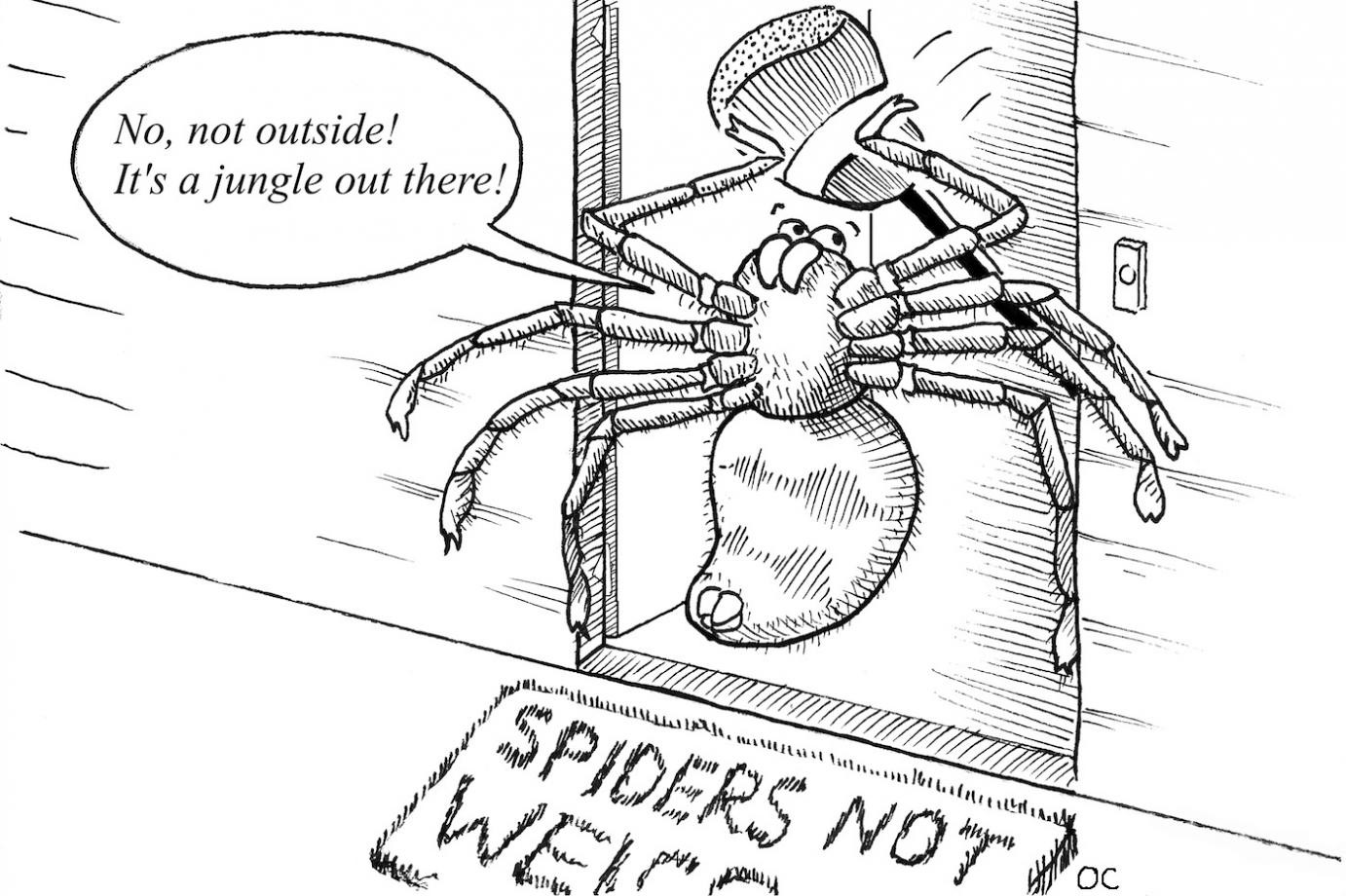
For these reasons, Crawford recommends neither killing spiders nor releasing them outside. Instead, relocating them within the home—such as to a garage—is a safer and kinder solution. Other specialists similarly suggest placing spiders indoors in less frequented areas like cellars or garages when dealing with indoor-adapted species.
Exceptions and Alternative Opinions
There are situations where releasing spiders outside is appropriate. If a spider species is definitively identified as a native outdoor type, it can be safely returned to a nearby vegetated area. The key is accurate species identification before deciding on the proper action.
Rick Vetter, a retired entomology research associate from the University of California, Riverside, offered a contrasting viewpoint in Live Science. He acknowledges that while some spiders prefer indoor habitats, all spiders originally evolved outdoors. He takes a straightforward stance: release spiders outdoors. They might perish or might find fitting surroundings.
Despite varying perspectives, the prevailing advice is consistent: treating every indoor spider as if it belongs outdoors is often misguided and can inadvertently lead to their death. According to Crawford and the Burke Museum, the safest assumption is that an indoor spider is most likely already located in its best survival environment.
- Categories:
- News



0 comments
Sign in to Comment