

The long-standing guideline of setting home heating to 19 degrees Celsius during cold months, first popularized amidst the 1970s energy crisis, is now undergoing reevaluation by health officials and energy experts. While initially designed to offer a compromise between comfort and energy savings, recent studies on building insulation, heating systems, and health factors suggest that this fixed temperature may be outdated.
Emerging research indicates that maintaining a slightly higher and more stable indoor temperature could enhance occupant well-being and potentially reduce overall energy consumption. Medical professionals highlight that cold indoor settings can worsen respiratory illnesses and cause structural damage to residences. Energy specialists point out that excessively low thermostat settings might lead to inefficient heating cycles, particularly in well-insulated modern dwellings that retain heat more effectively.
Changes in official advice are already evident. Institutions including the Energy Saving Trust and the World Health Organization now endorse a temperature range of 18°C to 21°C, adjusted based on room function and occupancy patterns. This updated guidance reflects advancements in insulation materials, smart temperature controls, and better comprehension of consistent indoor climates’ effects on health and home durability.

Maintaining Higher Indoor Temperatures Helps Combat Dampness and Health Risks
Health authorities increasingly warn that indoor temperatures under 18°C can pose risks, especially for sensitive populations like the elderly, infants, and those with preexisting medical conditions. The WHO’s official housing and health guidelines highlight that extended exposure to chilly indoor environments can increase incidents of respiratory and heart diseases.
The Energy Saving Trust recommends setting thermostats to a comfortable level between 18°C and 21°C. They estimate that lowering the thermostat from 22°C to 21°C could save households approximately £90 annually in Great Britain, or £80 in Northern Ireland. However, allowing temperatures to fall below 18°C encourages condensation buildup, dampness, and mould growth, particularly in poorly ventilated or inadequately insulated homes.
Regional advice cited by Homebuilding.co.uk mentions that the Welsh Government proposes maintaining 21°C in living areas and 18°C in other rooms for up to 16 hours daily, aiming to control moisture and ensure a steady comfort level.
Underheating can cause moisture accumulation, a key factor in residential mould growth. Homes with uneven heating often develop cold spots that promote condensation, damaging building components and impacting inhabitants’ health, experts consulted by Homebuilding explain.
Efficiency Lies in Temperature Stability Over Simply Lowering Thermostat Settings
Contemporary energy recommendations shift away from the idea that lower thermostat settings always mean higher efficiency. Maintaining consistent temperatures can prevent the excessive energy needed to rapidly reheat a cold home. This is especially relevant for houses with good insulation and heat retention.
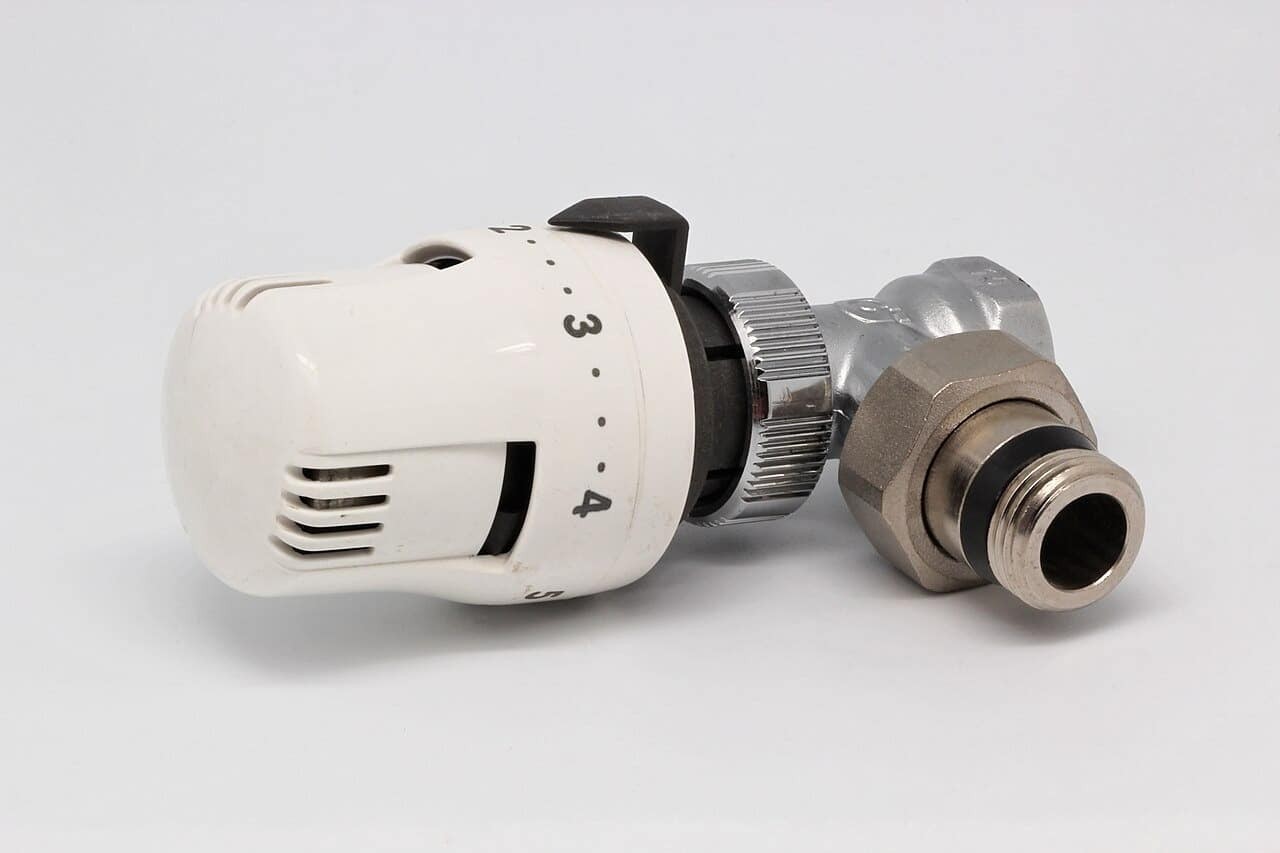
Smart heating solutions allow households to fine-tune this balance. The use of programmable thermostats and timers enables gradual warming of rooms prior to occupancy, avoiding steep temperature fluctuations. Radiators fitted with thermostatic radiator valves (TRVs) provide further control by adjusting the water flow based on local room temperature.
Typically, TRVs are dialed from 0 to 6 and help save energy by limiting heating in areas like spare rooms or corridors. These valves work alongside central thermostats and timers. The Energy Saving Trust estimates these devices can cut heating bills by up to £40 annually.
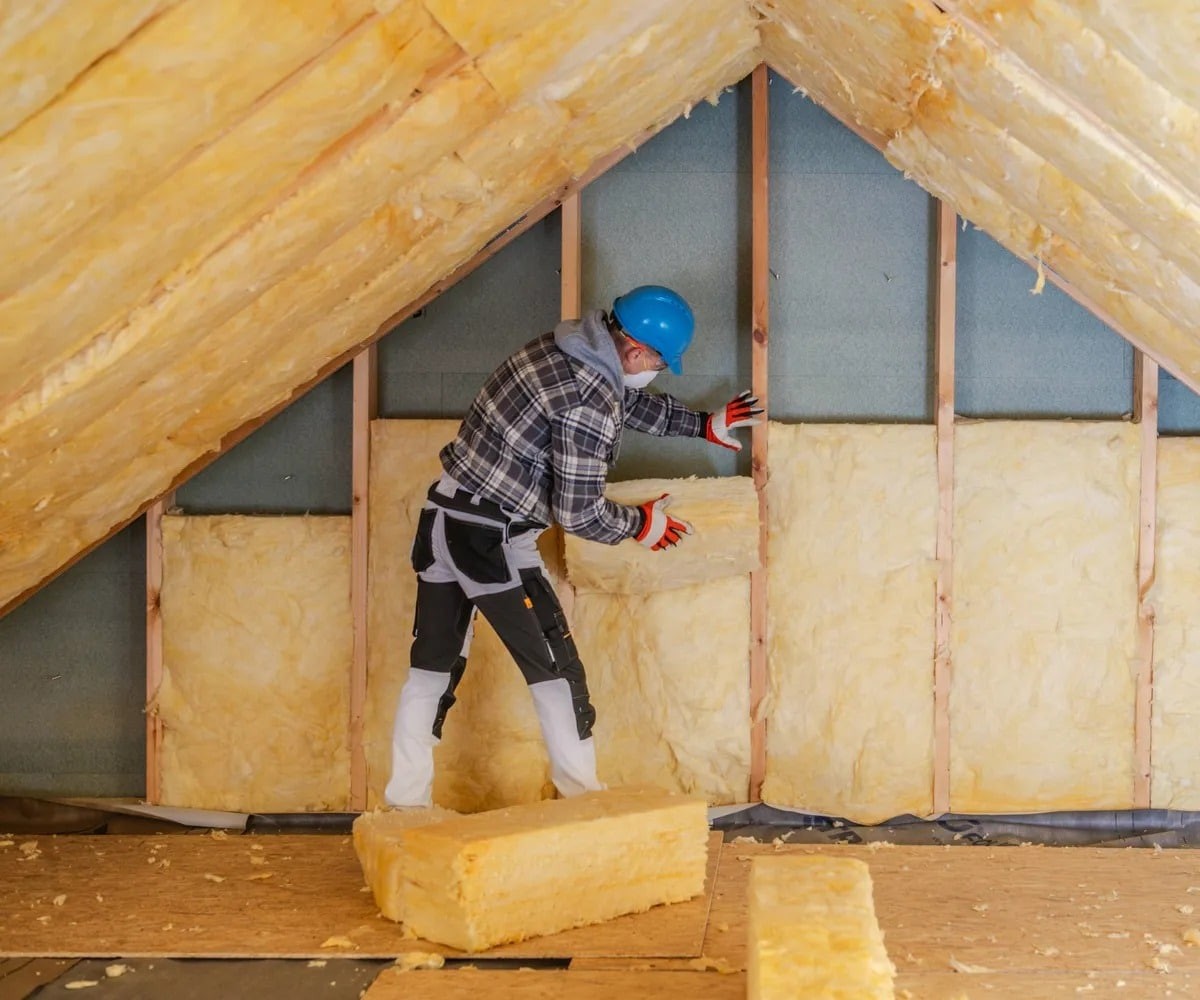
According to Homebuilding.co.uk, uninsulated homes can lose more than 30% of warmth through external walls and around 25% via the roof. Installing cavity wall and loft insulation considerably reduces these losses, forming a more efficient thermal barrier ideal for maintaining even, energy-saving warmth.
Controlling Humidity is Key for Healthy and Effective Heating
Excessive indoor humidity often accompanies underheated conditions. Cold surfaces condense moisture from the air, causing persistent dampness and mould formation. Keeping a consistent temperature near 20°C helps prevent this, especially when combined with mechanical ventilation or natural airflow.
Homebuilding suggests using tools like hygrometers, dehumidifiers, and scheduling brief ventilation bursts. Opening windows for 5 to 10 minutes daily expels stale, moisture-laden air. Extractor fans in bathrooms and kitchens remain crucial for promptly removing humidity at the source.
Rooms lacking air circulation often develop hidden damp patches behind furniture or walls, risking occupants’ health and damaging structures over time. Experts recommend maintaining indoor humidity below 60% as a preventative measure.
Increasing indoor moisture through practices such as drying clothes on radiators is discouraged. Instead, options like energy-efficient tumble dryers or smart dehumidifiers are preferred during colder months.
Heating Practices Advance in Tandem with Building Innovations
Moving away from rigid low-temperature targets corresponds with progress in heating technologies and energy management. Smart thermostats and TRVs enable precision heating tailored to environmental factors, occupancy, and weather variations.
As described in the Wikipedia entry on thermostatic radiator valves, TRVs automatically regulate heat output based on room temperature, minimizing waste in unoccupied spaces without compromising comfort in active areas.
Modern smart heating systems often offer remote app control, scheduling aligned with daily habits, and adaptive learning algorithms that customize heating preferences. These solutions enhance thermal stability and reduce energy consumption spikes.
- Categories:
- News












0 comments
Sign in to Comment