
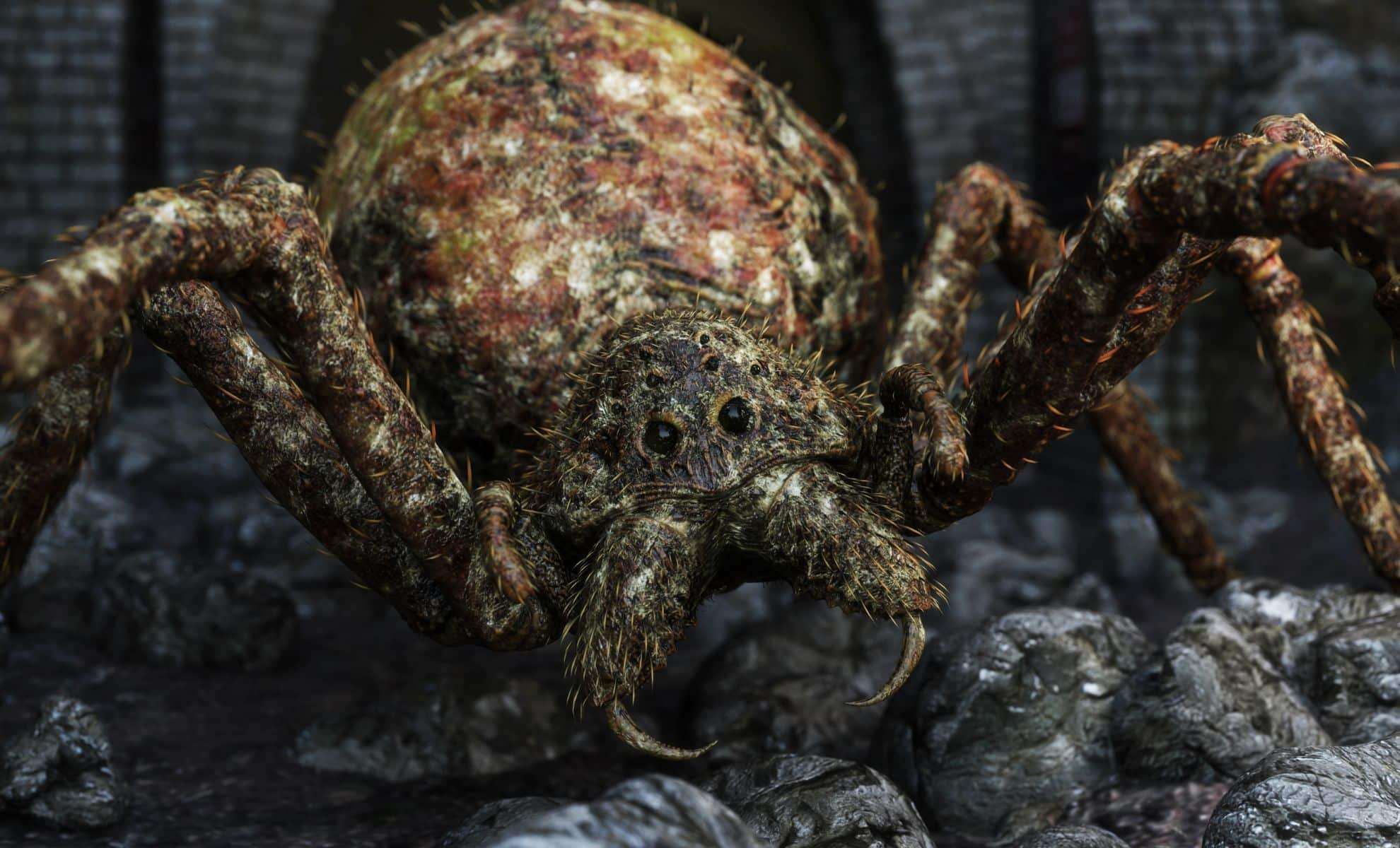
Excavations in Inner Mongolia have revealed two extraordinary fossils belonging to an extinct genus of massive spiders, providing new insights into arachnid evolution during the Jurassic era. Known as Mongolarachne jurassica, these creatures roamed the Earth around 165 million years ago and were exquisitely preserved within volcanic ash layers that formed finely stratified sedimentary rocks.
This newly classified genus challenges previous beliefs about ancient spider diversity and opens fresh avenues of research into prehistoric ecological systems.
Volcanic Ash Fossils Reveal Unexpected Details
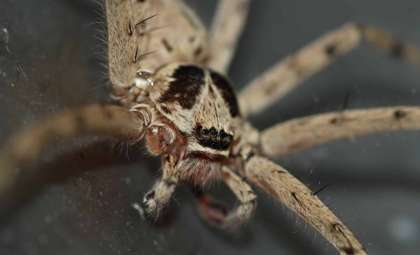
Heritage Daily reports the initial specimen was discovered in 2005 by local farmers in Wuhua Township. This exceptionally preserved female fossil, from the Jiulongshan Formation, measured roughly 24.6 millimeters in body length with front legs extending up to 56.5 millimeters. Initially, it was identified as Nephila jurassica, linking it to modern golden orb-weaver spiders known for spinning extensive, golden silk webs reaching 1.5 meters wide.

However, a reevaluation in 2013 followed the unearthing of a second fossil—a male specimen found nearby. This male, with a body length of 16.54 millimeters and a front leg length of 58.2 millimeters, displayed anatomical traits that conflicted with its original grouping. Researchers noted “stem-orbicularian features” and distinct characteristics of cribellate spiders, leading to its reclassification into a new genus named Mongolarachne.
“The similarities to modern golden orb weavers were striking. There was no clear reason to classify it within the same genus,” said Paul Selden, a paleontologist at the University of Kansas.
Taxonomic Revision Reveals Evolutionary Connections
The reclassification established a new family exclusive to this genus, Mongolarachnidae, which differs significantly from the previously presumed orb-weaver lineage. Unlike modern male Nephila spiders that show pronounced sexual dimorphism and specialized reproductive structures, these Jurassic specimens exhibited minimal differences between males and females. Their morphology lacks the advanced traits seen in today’s orb web spiders, hinting at a distinct evolutionary trajectory.
Comparisons with both Juraraneidae and current spider families suggest Mongolarachnidae may be related to Deinopidea, commonly known as net-casting spiders. These spiders produce unique orb-shaped silk webs with Velcro-like qualities rather than relying on sticky glue. Connections were also drawn to relatives in the Nicodamidae and Austrochilidae groups, expanding the understanding of their phylogenetic relationships.
Record-Holding Giant Spider Fossils
The Mongolarachne jurassica fossils are the largest spider remains ever uncovered. Their impressive dimensions and web-spinning features offer an unparalleled glimpse into the lifestyles of ancient arachnids. Although only two specimens have been found, their exceptional fossilization provides invaluable clues about spider evolution during the Mesozoic period.
Paleontologists explain that these fossils were preserved as compression fossils within pale laminated sedimentary tuff, born from prehistoric volcanic activity. This preservation method allows scientists to examine fine details of the spiders’ anatomy, crucial for revisiting their evolutionary placement.
- Categories:
- News



0 comments
Sign in to Comment