
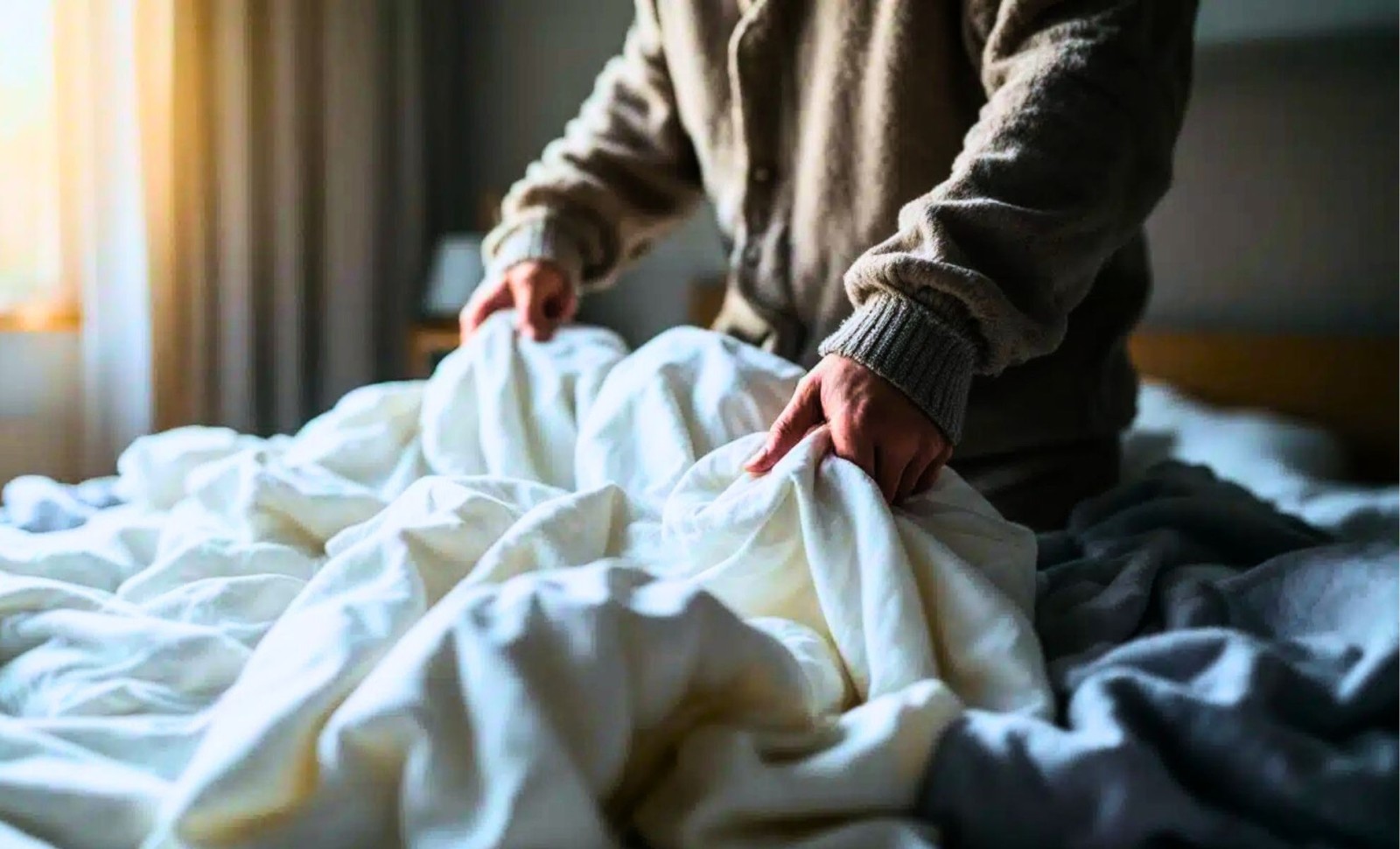
Each morning, many of us automatically straighten our sheets and fluff our pillows, presenting a neat bed as a symbol of readiness for the day ahead. Traditionally, this practice has represented discipline and order amid everyday chaos.
Globally, tidying the bed is often viewed as more than a task—it’s a psychological victory. From military protocols to parenting advice and self-help guides, making the bed is touted as a sign of self-discipline and success. Yet, there’s emerging evidence that this well-intentioned habit could have unintended consequences affecting many households.
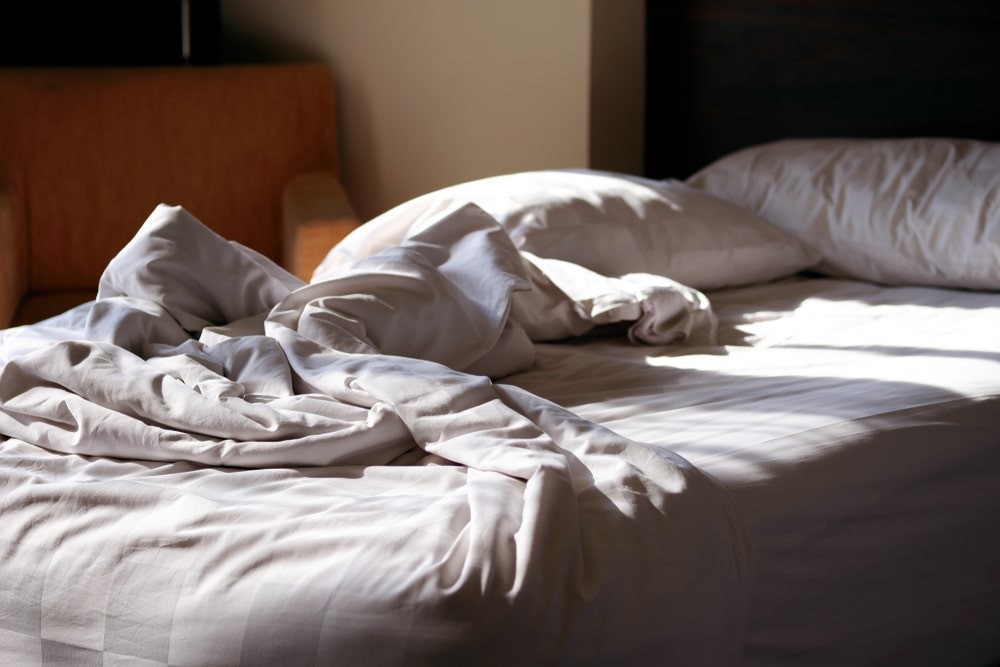
Indoor air quality and respiratory wellbeing have gained heightened attention recently. Disorders like asthma, allergic rhinitis, and chronic sinus inflammation are increasingly linked to pollutants and allergens found within home environments, particularly the bedroom. This connection sheds new light on the simple act of bed-making.

Hidden Drawbacks of a Perfectly Made Bed
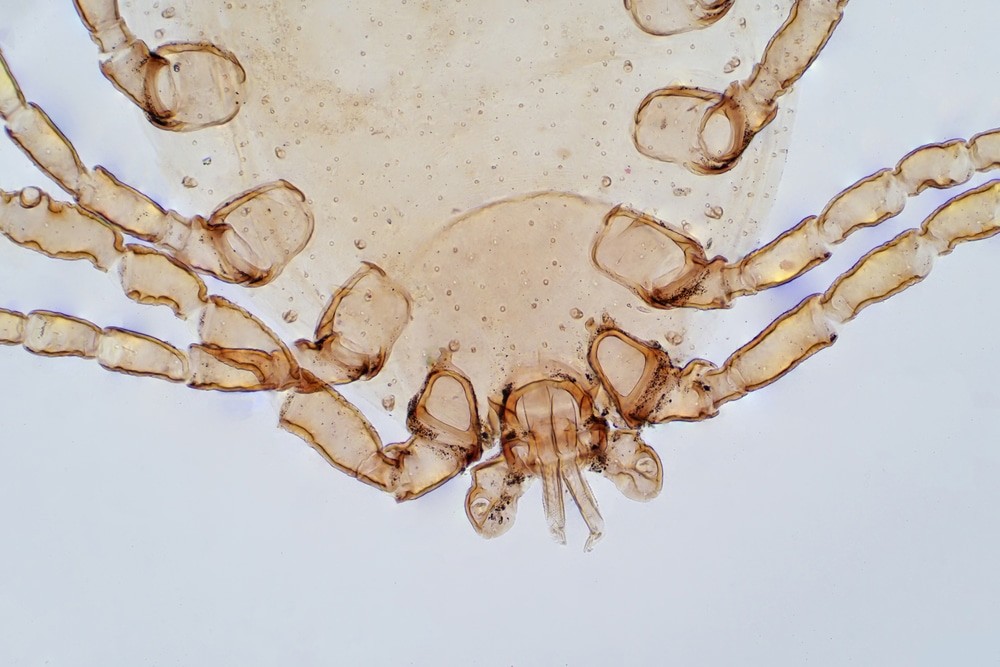
A notable study conducted at Kingston University in the UK revealed that keeping your bed unmade during the day can help decrease dust mite populations in your bedding. Environmental building expert Dr. Stephen Pretlove and his colleagues examined how dust mites—tiny creatures that feed on dead skin—react to changes in humidity and temperature trapped beneath the covers.
The findings were revealing. A freshly made bed traps warmth and moisture from nighttime perspiration, creating an ideal habitat for dust mites. When bedding remains open and exposed to air circulation, these conditions dissipate, making survival more challenging for the mites.
“Leaving a bed open during the daytime encourages drying of sheets and mattress surfaces,” Dr. Pretlove noted in an official Kingston University statement.
This matters because dust mites are a leading cause of indoor allergens worldwide. Their droppings can provoke reactions ranging from minor sneezing and irritation to serious respiratory conditions such as asthma. The American Lung Association identifies bedding and pillows as key reservoirs for dust mite allergens.
On average, a single bed can harbor up to 1.5 million mites. Though invisible to the naked eye, their effects on health are often evident. Allowing bedding to ventilate naturally may be a simple yet effective method to minimize allergen buildup.
The Dark Side of a Warm, Closed Bed
While a neat bed appears clean, in reality, it may trap moisture expelled through sweat and breathing during sleep. The average person loses approximately one liter of fluid overnight. Thick blankets, closed rooms, and lack of morning airflow contribute to a microenvironment that encourages mite proliferation.
During colder seasons, indoor heating and sealed windows reduce ventilation, worsening moisture retention in bedding. This creates prime conditions for dust mites to flourish, reproducing and expanding their populations.
Health organizations like the Centers for Disease Control and Prevention (CDC) advise lowering indoor humidity and increasing air circulation as ways to reduce allergen levels. However, few recommendations address how routine bed-making habits influence these factors.
For families with children, elderly members, or individuals suffering from allergic asthma, reconsidering when to make the bed might offer an inexpensive way to enhance bedroom air quality.
Promoting Better Airflow
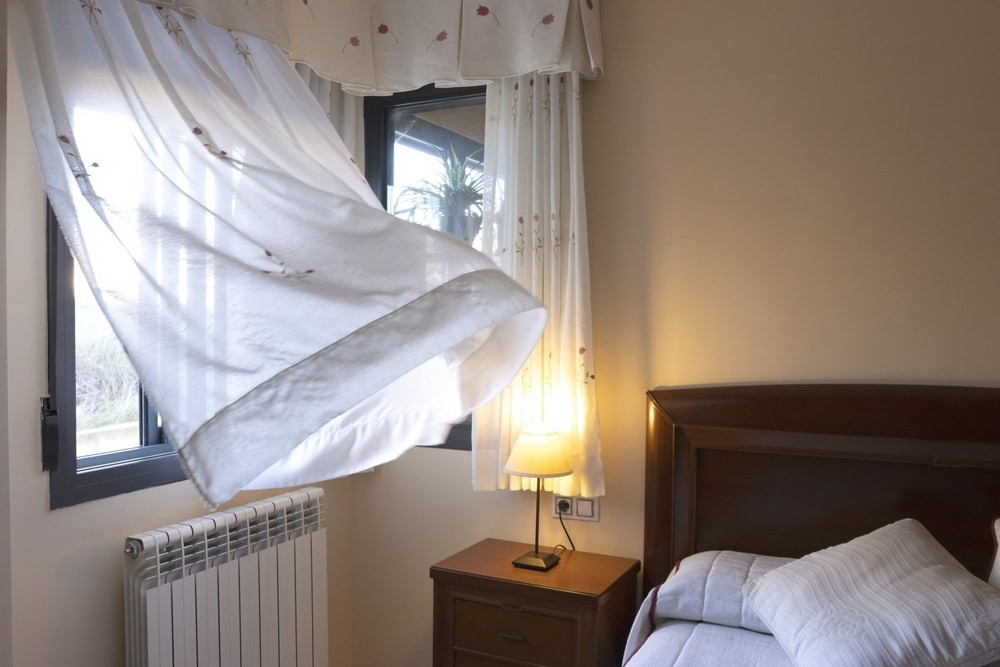
Rather than giving up on a tidy sleeping area, experts suggest delaying bed-making. Leaving bedsheets and blankets unfolded for several hours after waking allows moisture to evaporate. Opening a window or letting fresh air circulate encourages a healthier environment.
This approach complements established hygiene protocols such as washing linens regularly in hot water, vacuuming mattresses, and using dust-mite-resistant pillowcases. Making the bed later or airing it out first helps reduce allergens that thrive in warm, humid settings.
These adjustments are particularly important for allergy sufferers. According to data from the National Institute of Allergy and Infectious Diseases, between 10 and 20 percent of people are sensitive to dust mite allergens, with symptoms worsening after prolonged exposure to poorly ventilated rooms.
As more people spend their time resting, working, and sleeping in the same area, minor changes in daily habits become increasingly meaningful. The goal isn’t to abandon tradition but to update routines based on emerging knowledge about our living spaces.
- Categories:
- News













0 comments
Sign in to Comment