
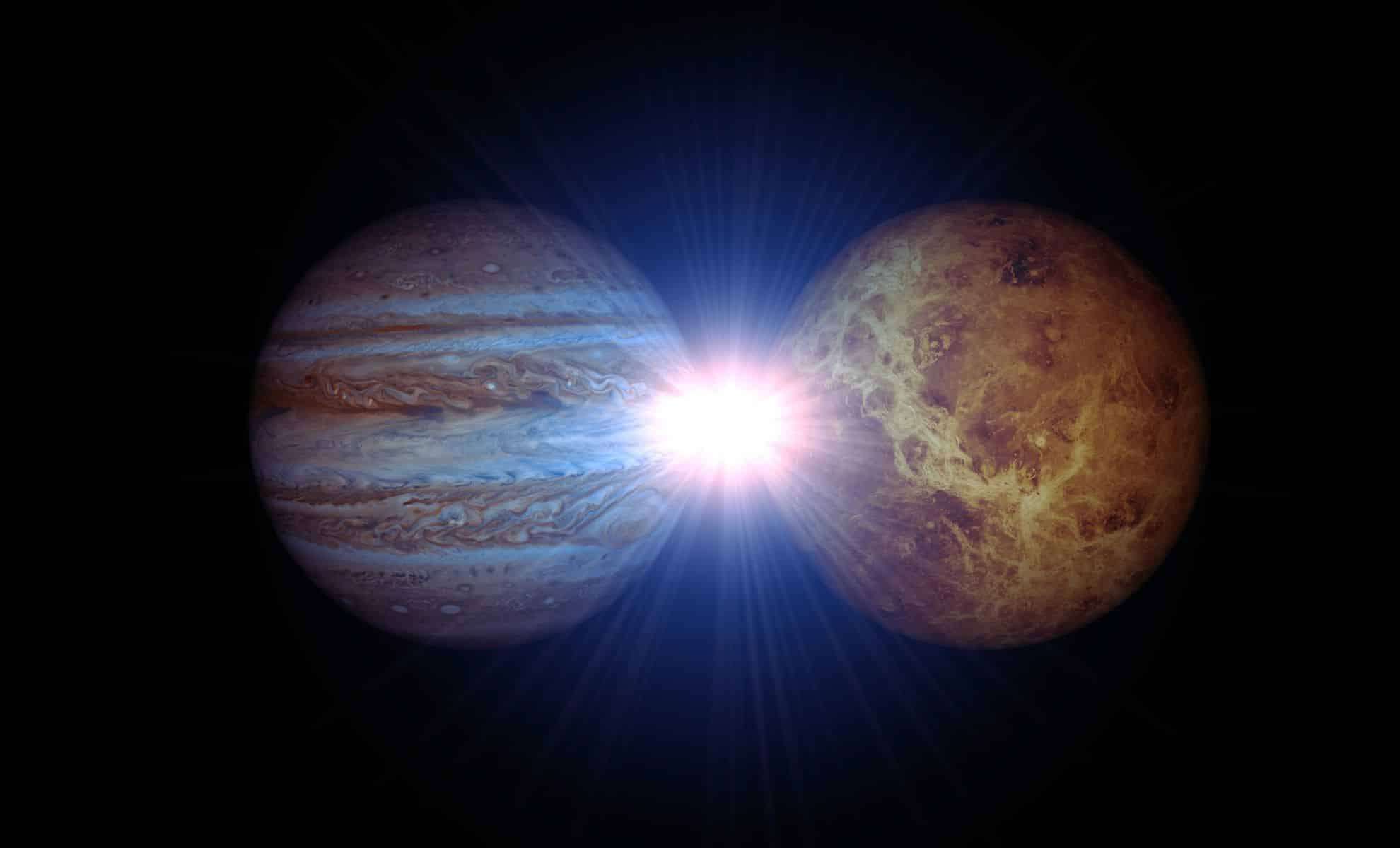
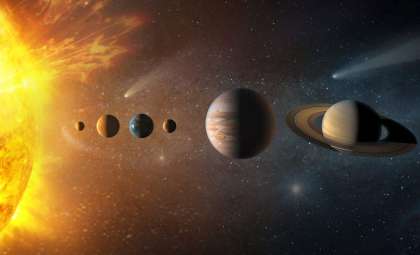
August brings a spectacular opportunity for astronomy enthusiasts as the bright planets Venus and Jupiter approach one another in the morning sky on August 11 and 12. This rare planetary encounter, SciTechDaily reports, will feature the two giants appearing just one degree apart above the eastern horizon before dawn. Alongside this dazzling display, the month offers other celestial events including the Perseid meteor shower, the Dumbbell Nebula, and ongoing movements of Mars and Saturn, making August a rewarding period for both casual and committed skywatchers.
Close Encounter of Venus and Jupiter
The mornings of August 11 and 12 will present a breathtaking alignment between Venus and Jupiter, two of the brightest planets visible from Earth. Normally separated by much larger angles in the sky, this conjunction brings them to within roughly one degree of each other, offering an extraordinary display. Such close planetary approaches are uncommon, contributing a touch of celestial magic to the late summer skies.
To catch this event, gaze toward the eastern horizon just before the sun rises. Venus, often called the “Morning Star,” will outshine its larger counterpart, while Jupiter glimmers more faintly but remains a captivating presence. The surrounding constellations including Orion, Taurus, and Gemini will add context to this spectacular scene, creating an ideal setting for stargazers and photographers alike to enjoy the cosmic choreography.

Moonlight’s Effect on Meteor Display
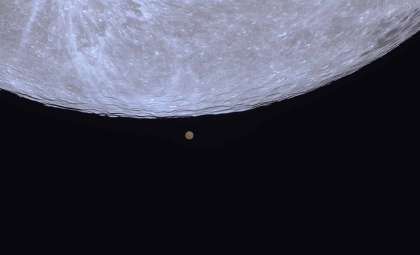
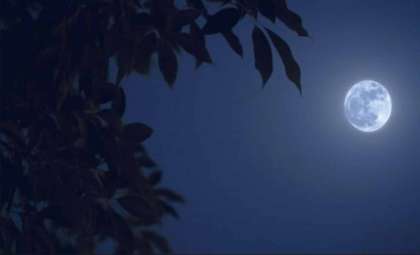
While the Venus-Jupiter meeting is the main attraction, the Perseid meteor shower also draws attention this month. However, the nearly 84% illuminated Moon on the nights of August 12 and 13 could diminish the visibility of many fainter meteors. Although some brighter Perseid streaks may still be spotted before dawn, the moonlight will hinder the full brilliance of the meteor shower. Despite this, the Perseids remain one of the most popular and spectacular meteor events of the year, encouraging many to try and witness these fleeting moments of starlight.
Additional August Skywatching Highlights
Besides the Venus-Jupiter conjunction, August offers more celestial spectacles for observers. The positions of Mars and Saturn throughout the month provide exciting viewing prospects. Mars can be seen glowing brightly in the western sky shortly after sunset, nearly rivaling the brightness of stars in the Big Dipper, while Saturn, known for its majestic rings, rises earlier each night and can be observed high in the southern sky near dawn.
For those with telescopes, the Dumbbell Nebula (M27) presents a brilliant target. Located within the Summer Triangle, it is among the easiest planetary nebulae to observe. This nebula represents the dying phase of a star resembling our Sun, which shed its outer layers and left behind a dense white dwarf. Observing M27 offers a glimpse into the ultimate fate awaiting our own star.
The Significance of Observing the Night Sky
Engaging with skywatching provides more than just entertainment—it opens a window into the vast workings of the universe. Witnessing events like the Venus-Jupiter conjunction or viewing nebulae such as M27 inspires awe and encourages scientific curiosity. These experiences highlight dynamic processes like gravitational interactions and stellar life cycles, enriching our understanding of the cosmos beyond everyday life.
Timing Your Observation
To experience this extraordinary planetary alignment, plan to rise early around August 11 and 12. The planets shine brightest just before sunrise, so clear skies and minimal light pollution will enhance your viewing experience. Selecting a dark location away from city lights can make a significant difference. Utilizing mobile apps or online tools can help you accurately locate the event in the sky. For photographers, bringing a tripod and using manual camera settings will help capture this celestial event in all its glory.
- Categories:
- News




0 comments
Sign in to Comment