
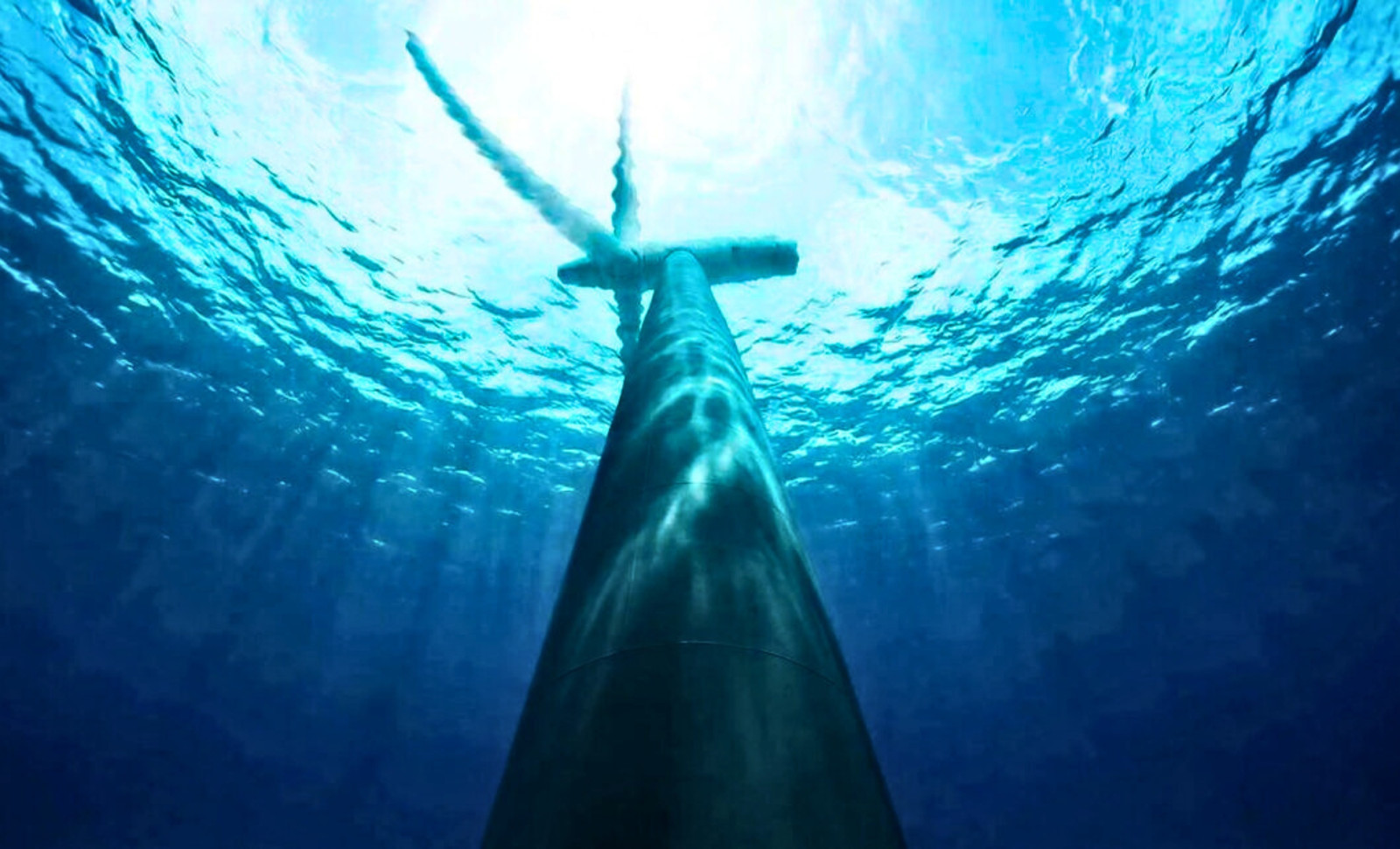
In the remote North Sea, towering wind turbines stand amid chilly waters and harsh weather. Within these floating platforms are sealed compartments designed for structural balance, accessibility, and essential systems. Traditionally, these areas housed no digital technology, but engineers are now reconsidering their potential.
Unlike fixed turbines near shorelines, these structures use floating bases supported by three water-ballasted legs, a configuration common in offshore energy installations. Inside these legs are tall enclosed chambers whose dimensions and placement have sparked fresh engineering ideas.
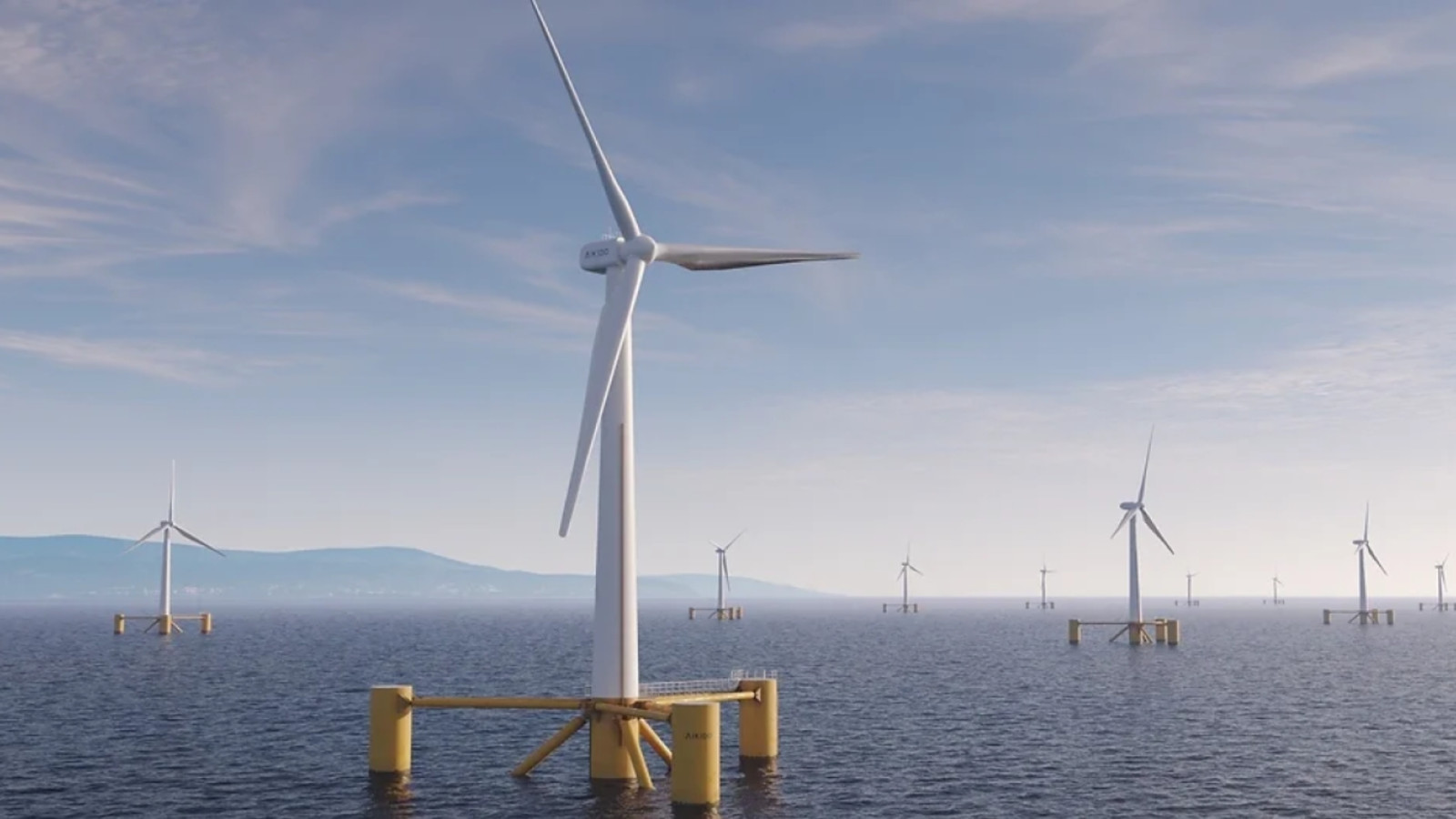
The environment is crucial to these plans. The water surrounding these units remains cold year-round, and the ballast system naturally cycles water within the structure. These factors encourage engineers to explore heat management strategies in these enclosed spaces. Understanding this thermal setup is key before unveiling the broader concept.

Transforming Offshore Wind Platforms into Computing Sites
TechRadar revealed that American startup Aikido Technologies intends to install AI data centers inside offshore wind turbines located in the North Sea. They plan to test a prototype off Norway’s coast, targeting deployment before 2027. The goal is to harness on-site wind energy and cold seawater for efficient cooling, turning turbines into both power generators and data hubs.
The design centers on a semi-submersible platform featuring three massive ballast-supported legs. According to TechRadar, computing equipment will be positioned higher inside these legs, above the ballast chambers used for stability. The initial prototype is designed to generate roughly 100 kilowatts, serving primarily as a proof of concept, with ambitions for much larger-scale implementations down the line.
Aikido envisions each leg eventually containing data halls capable of three to four megawatts, bringing one turbine’s total computing power to between nine and twelve megawatts. This dual-purpose offshore platform would merge renewable energy generation with high-density server functionality, offering a novel solution within the data center industry.
Leveraging the North Sea’s Cooling Potential
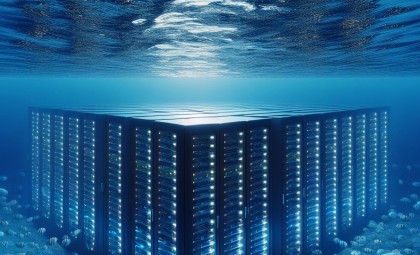
One major attraction of this approach is the cooling advantage offered by the marine environment. TomsHardware explained that ballast water would circulate heat away from AI chips, releasing it into the cold sea before recirculating. While some air cooling remains necessary for certain components, much of the thermal load would be transferred to the ocean.
Effective data center cooling is increasingly vital as servers grow more powerful and generate more heat, driving up energy demands and costs. Aikido CEO Sam Kanner told TechRadar that combining wind power generation with “free cooling” from seawater presents a strategic efficiency. The concept capitalizes on co-locating power supply and liquid cooling infrastructure.
The design could also relieve pressure on land-based data centers competing for electricity, space, and cooling water as AI infrastructure expands rapidly. Offshore wind turbines inherently provide both generation and low-temperature cooling, a synergy Aikido aims to exploit from the outset.
Precedents in Germany
This concept isn’t entirely unprecedented. German company Rittal, collaborating with WindCORES and WestfalenWIND IT, implemented a data center inside a land-based wind turbine tower near Paderborn. The setup relied on turbine-generated power for around 90% of the time, supplemented by the public grid.
The German project demonstrated that integrating computing gear into wind turbine structures is feasible onshore. Rittal noted the crucial importance of redundant network links to Frankfurt’s DE-CIX internet exchange, showing that robust connectivity is essential for modern edge data centers.
They also highlighted challenges of fitting digital systems into infrastructure not originally designed for them. Narrow doorways prevented bringing equipment in fully assembled, necessitating multi-level layouts. Custom cooling lines, staircases, false ceilings, UPS setups, and monitoring systems were all part of the retrofit.
Challenges of Offshore Deployment
Deploying this concept offshore introduces more complexity. Corrosive salt air threatens hardware durability, while floating platforms must endure constant movement, storms, and complicated maintenance logistics. Repair efforts offshore are far more demanding than typical land-based visits, so all components must be engineered for these harsh conditions.
Maintaining a steady power supply is critical, since AI workloads demand consistent energy. Wind variability means backup is necessary. TechRadar highlighted that Aikido plans to incorporate batteries and mainland grid connections, creating a hybrid energy system rather than a fully autonomous offshore data server.
Still, this initiative illustrates how digital infrastructure is rapidly evolving. With soaring demands for computing resources, companies are exploring alternatives beyond traditional, large-scale server farms on land. While Aikido’s idea remains at the prototype stage, it points to an innovative future where wind turbines themselves become integral to computing networks.
- Categories:
- News








0 comments
Sign in to Comment