

Jeff Bezos has introduced a visionary concept aimed at minimizing the ecological footprint of artificial intelligence: relocating enormous data centers into outer space. During his presentation at Italian Tech Week, the Amazon founder emphasized how space-based facilities could significantly reduce the pollution and resource consumption currently associated with AI infrastructure on Earth.
The rapid growth of AI technologies has led to a steep rise in the environmental burden required to maintain them. These data centers, which support everything from advanced language models to video automation systems, demand enormous amounts of electricity and water to operate efficiently.
Concerns about these environmental effects have sparked calls for innovative solutions. Data centers are now a focal point in the debate on sustainable technology, with their escalating resource use attracting attention from experts, governments, and industry pioneers.

Energy and Water Challenges in Data Hosting
A recent study by the International Energy Agency reported that in 2024, global data center electricity consumption hit 415 terawatt-hours, climbing approximately 12% annually since 2017. This energy usage rivals that of millions of households worldwide. Furthermore, these centers utilize over 560 billion liters of water yearly for cooling purposes, with expectations that usage could more than double by 2030.
The growing scale of these facilities directly mirrors the expanding needs of AI innovation. Increasingly complex models demand powerful processors, vast storage, and continuous uptime, intensifying the operational demands on data centers.
“The growth trajectory is steep,” notes the IEA, “and it is tightly linked to the expansion of generative AI applications.”
Bezos Envisions Orbital Data Facilities
During his keynote at Italian Tech Week in Turin, Jeff Bezos shared his plan to establish gigawatt-scale data centers orbiting Earth within the next 20 years. He pointed to space’s advantageous conditions: continuous solar power, low natural temperatures, and absence of terrestrial weather disturbances.
“Space will become one of the places that helps Earth,” Bezos said, highlighting that current deployment of satellites for communication and weather forecasting demonstrates space infrastructure’s value. Gizmodo noted that Bezos suggested constant solar energy availability in orbit might make such data centers more affordable than those on the ground.
Initial Trials Mark a Step Forward
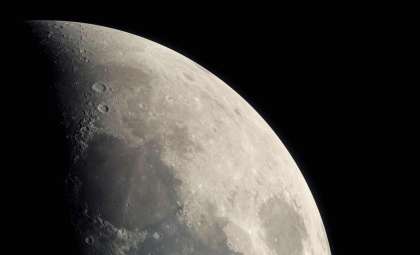
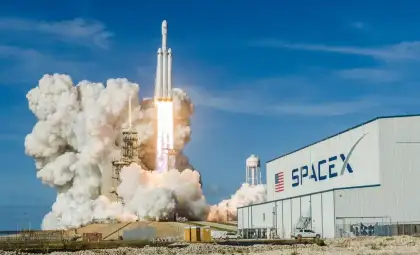
Some progress toward Bezos’s vision has already emerged. In March, Florida’s Lonestar Data Holdings successfully sent a compact data center, about the size of a book, to the Moon. This experimental payload, named Freedom, was deployed aboard the lunar lander Athena, developed by Intuitive Machines and launched via SpaceX Falcon 9.
The experiment was designed to assess how compact data technology performs in lunar conditions, emphasizing durability and operational efficiency. While the construction of large-scale orbital data centers remains a future goal, Bezos’s initiative reflects a larger industry trend toward off-planet infrastructure.
Data centers, once confined to Earth’s surface, could soon become pivotal components of extraterrestrial industry, inspired not by sci-fi fantasy, but by a pressing need to alleviate AI’s environmental toll on our planet.
- Categories:
- News









0 comments
Sign in to Comment