
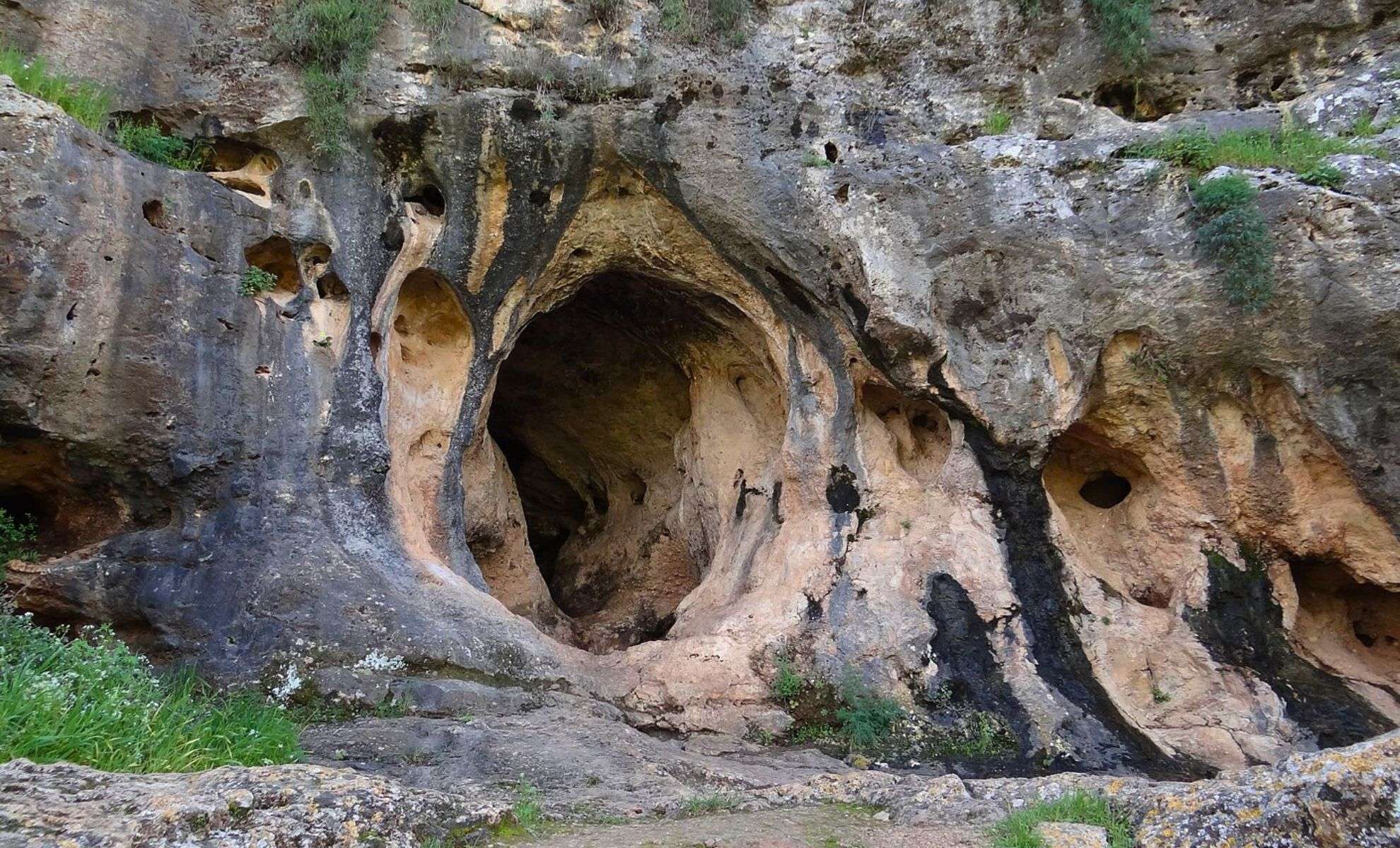
A recent publication in L’Anthropologie highlights a groundbreaking examination of fossil remains from Skhul Cave in Israel. Scientists have reexamined the skull of a child dating back roughly 140,000 years, presenting strong indications that this individual could represent a hybrid of Homo sapiens and Neanderthals. These new findings prompt a reconsideration of established views on human origins and suggest more complex interactions between early humans and their closest prehistoric relatives.
Unearthing a Significant Find
The fossilized remains of the child, discovered in 1931 at the historically significant Skhul Cave, one of the earliest documented sites featuring systematic human burials, have long been subject to interpretation. While largely attributed to early Homo sapiens, some researchers proposed these fossils might exemplify a transitional evolutionary phase bridging modern humans and Neanderthals. Nevertheless, the precise classification of these remains has remained contentious.
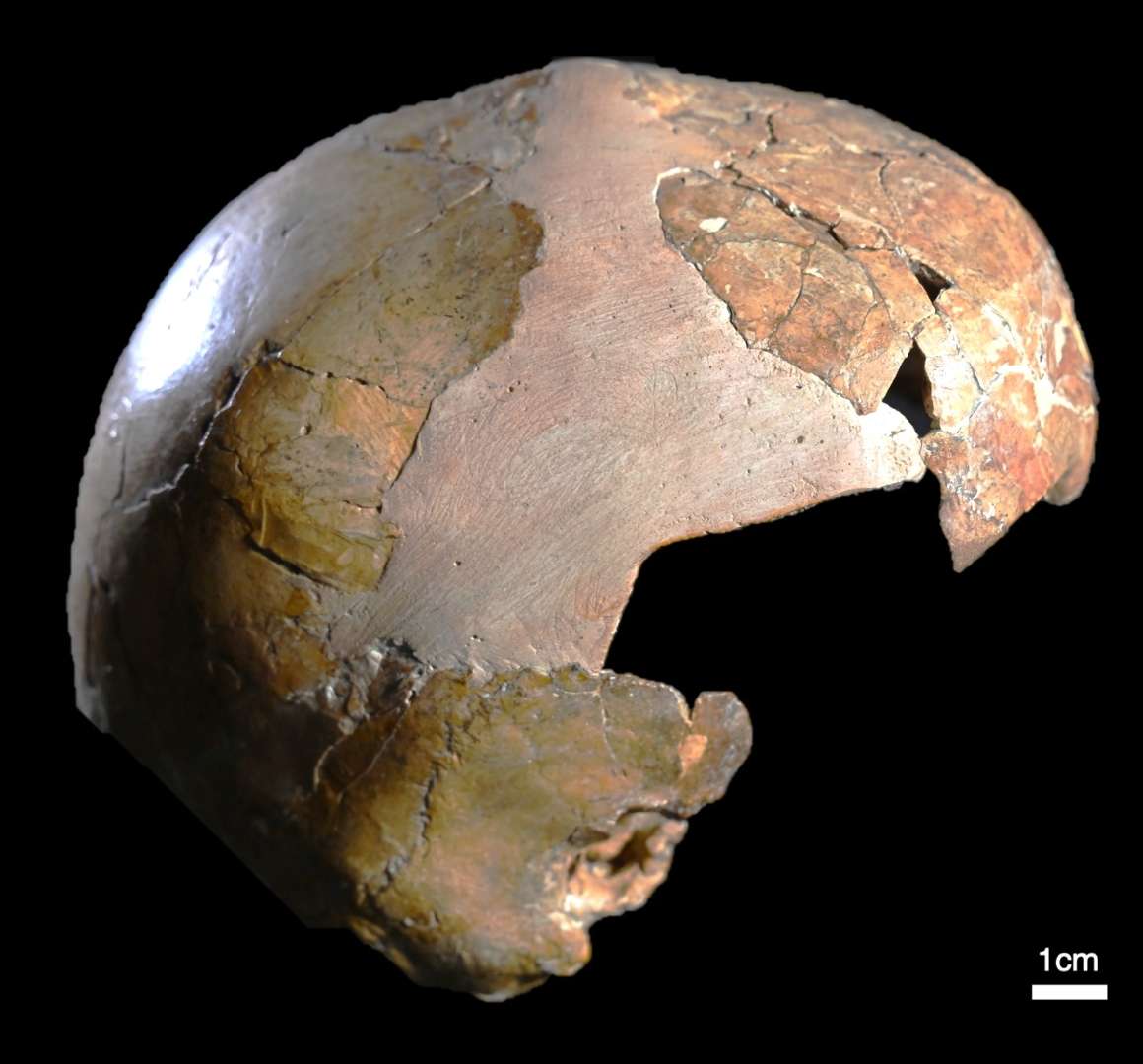
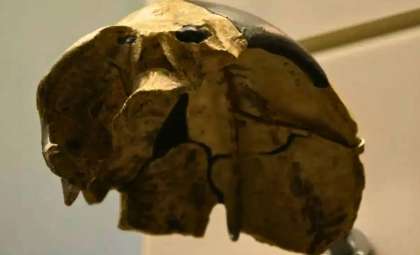
The individual, identified as Skhul I, was estimated to be between 3 and 5 years old at death. Despite damage and restoration efforts involving plaster, the skull still conveys critical information about the child's lineage. Utilizing cutting-edge CT scanning technologies, the research group, led by paleoanthropologist Anne Dambricourt Malassé, produced detailed digital reconstructions illustrating a blend of modern human and Neanderthal anatomical features.

CT Imaging Uncovers Mixed Traits
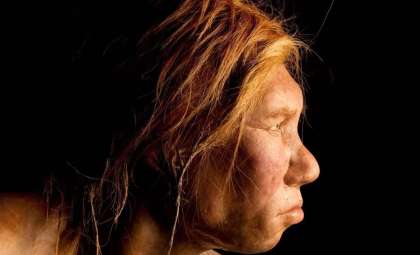
The analysis uncovered a compelling mosaic of characteristics. The neurocranial bone structure holds traits aligned with Homo sapiens, such as a more upright orientation of specific skull parts. In contrast, the mandibular region deeply resembles Neanderthal features, notably lacking a chin and exhibiting a broad, curved dental arch.
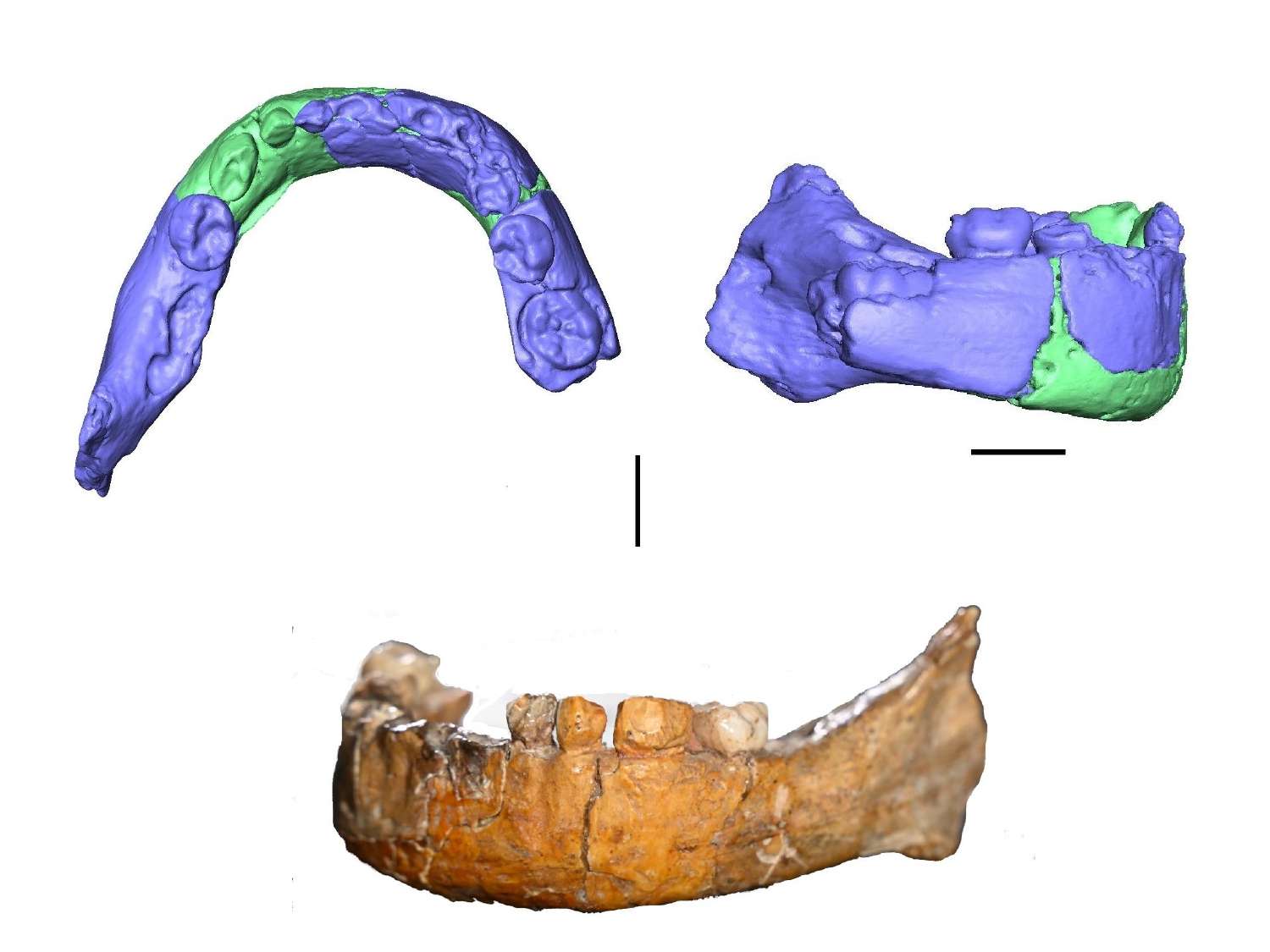
This blend of anatomical details led the investigators to propose that Skhul I was likely a hybrid individual, born of one Neanderthal and one Homo sapiens parent. “The skull’s morphology, particularly the jawbone, provides clear evidence of hybridization,” Malassé stated. She clarified that these distinct traits set this specimen apart from pure Homo sapiens forms while also lacking the full suite of typical Neanderthal features.
Experts Weigh In With Caution
Despite the exciting hypothesis of hybrid descent, some in the scientific community remain cautious. Chris Stringer, a paleoanthropologist affiliated with London’s Natural History Museum, noted that the Skhul fossils generally correspond more closely with Homo sapiens traits. Although he conceded potential genetic admixture between species, Stringer argued that current data do not definitively prove the child was a first-generation hybrid.
Similarly, John Hawks, an anthropologist at the University of Wisconsin, emphasized that intra-species variation among early humans can be substantial even without hybridization. Hawks pointed out the difficulty of conclusively classifying this individual as a hybrid in the absence of direct genetic evidence. His remarks underscored the significant morphological diversity inherent in human populations throughout history.
Skhul Cave’s Role in Understanding Human Origins
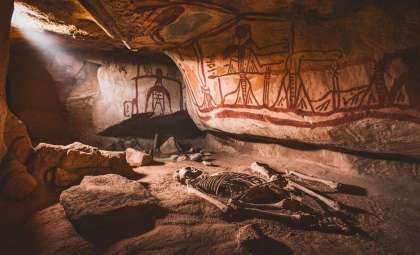
Beyond the hybridization debate, examining Skhul I enriches our comprehension of early human cultural practices. As one of the earliest known sites marked by intentional burials, Skhul Cave sheds light on ancient human ritualistic behaviors. The new evidence suggests shared cultural elements might have existed between Homo sapiens and Neanderthals, particularly in the ceremonial treatment of the dead.
Finally, this research adds nuance to ongoing discussions about the interactions between Homo sapiens and Neanderthals. While genetic studies have already demonstrated interbreeding, this fresh analysis invites reconsideration of how frequent or extensive their encounters and reproductive exchanges might have been during their coexistence.
- Categories:
- Science



0 comments
Sign in to Comment