
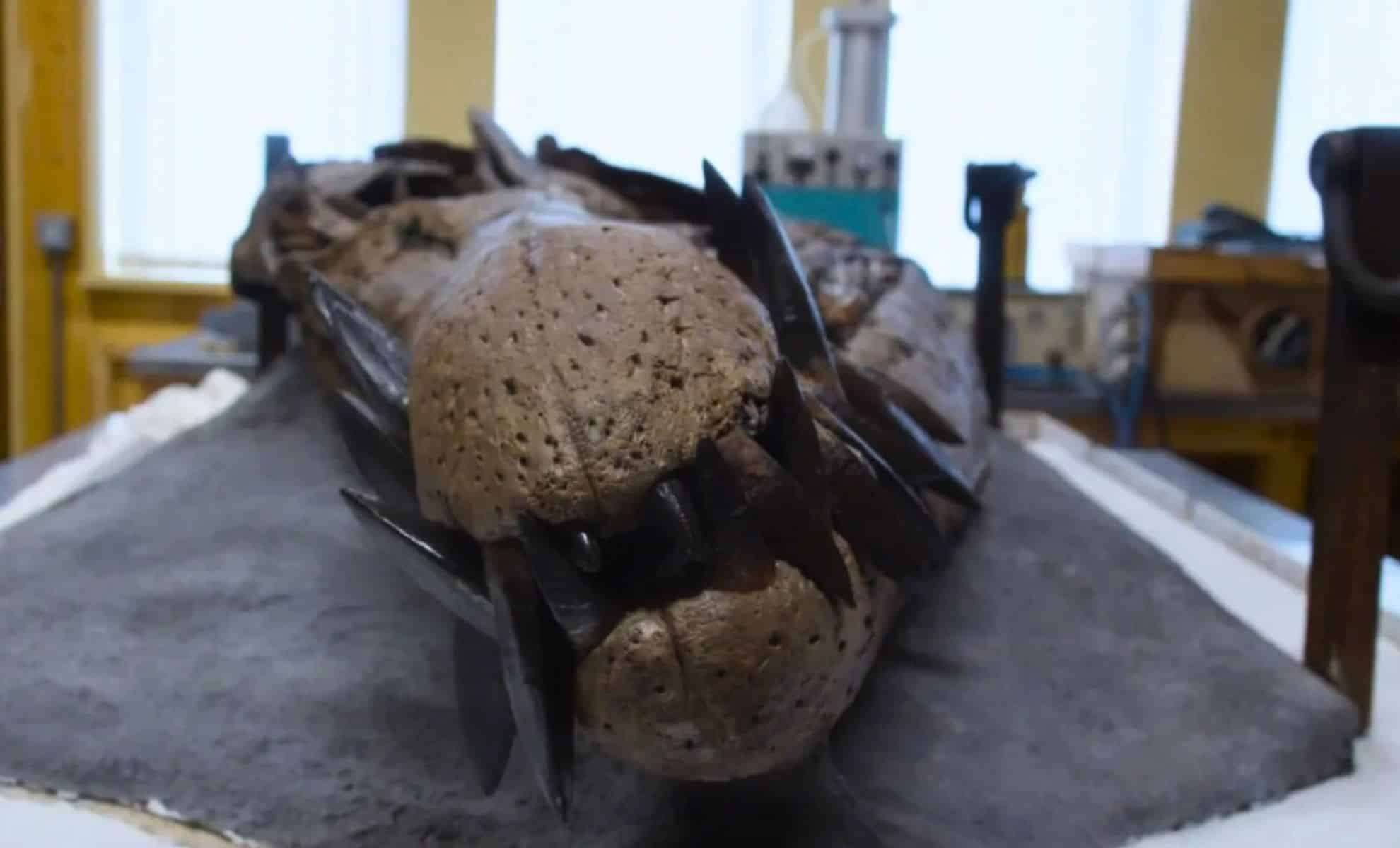
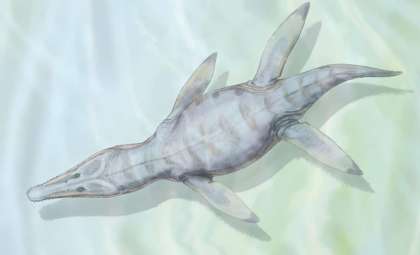
Excavated from a cliffside near Kimmeridge Bay in Dorset, UK, a gigantic fossil skull has amazed experts and ocean life aficionados. This skull, belonging to a pliosaur—a marine reptile from prehistoric times—has reignited discussions about the dominant predator ruling Jurassic waters. Its bite force is believed to have exceeded that of the iconic Tyrannosaurus rex, marking it as a formidable hunter of ancient seas.
An Extraordinary Excavation Along Dorset’s Jurassic Coast
The fossil was discovered embedded about 12 meters (39 feet) high on a cliff face famous for its paleontological treasures. Leading the recovery were seasoned professionals Chris Moore and Steve Etches, both dedicated to uncovering Jurassic-era remains.
Steve Etches, founder of The Etches Collection museum in Kimmeridge, quickly recognized unique traits setting this fossil apart from earlier finds. A particularly prominent cranial crest had never been observed in prior pliosaur specimens, suggesting it could represent a new species altogether.

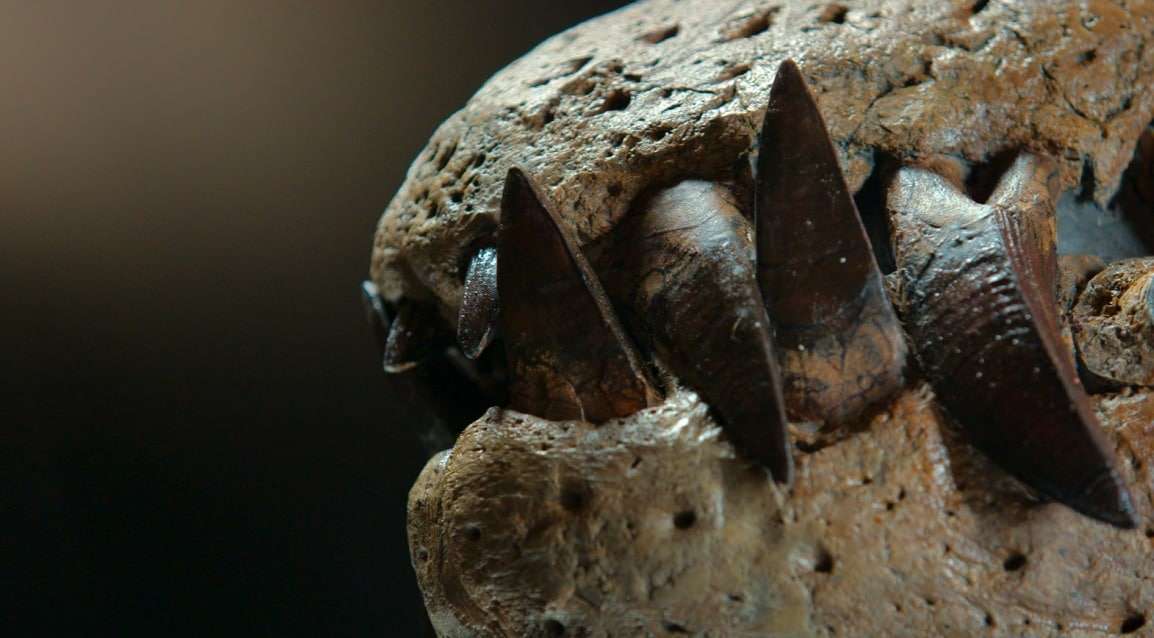
Moreover, the fossil's jaw extends beyond the eye socket, an unusual feature compared to other pliosaurs where the jaw typically ends before the eye. These distinctive characteristics have captivated paleontologists who are now conducting detailed analyses to better classify the specimen.
A Jurassic Marine Predator with Superior Jaw Strength
The pliosaur species, like the one found in Dorset, were supreme predators in the Jurassic seas. Their powerful jaws armed with sharp teeth were designed to deliver crushing bites that subdued their prey instantly. Researchers estimate the bite force of this specimen surpasses that of the infamous Tyrannosaurus rex, elevating it above terrestrial predators in raw strength and deadly capability.
Famed natural historian David Attenborough, who closely followed the discovery, inquired about how this creature would fare in a theoretical encounter with T. rex. Experts weighed in, predicting a clear advantage for the pliosaur.
“It was the most fearsome marine creature of its time,” commented Dr. Andre Rowe, a US-based paleontologist involved in the study.
An Exceptionally Preserved Skull and a Remarkable Discovery
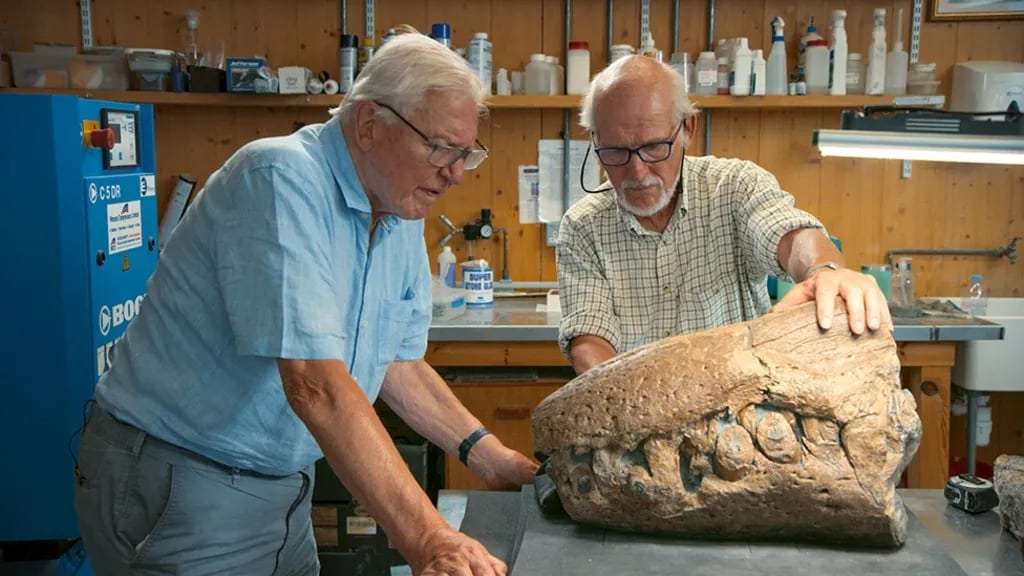
Discoveries of fossil skulls in such outstanding condition are exceedingly rare. Experts emphasize that the skull’s preservation—nearly intact compared to its original form—is an extraordinary and possibly once-in-a-lifetime find.
Having observed the specimen in person, David Attenborough shared his impression:
“The first thing that struck me was the sheer scale. This skull is enormous, and its level of detail is breathtaking.”
The fossil further displays sensory pits and potentially a parietal eye—a primitive, light-sensitive organ atop the head. This feature might have aided the pliosaur in environmental awareness, similar to how crocodiles detect water pressure variations.
A Story Captured for Viewers Worldwide
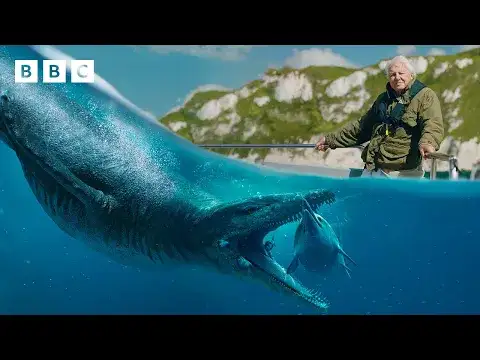
The entire operation of unearthing the fossil has been captured in a documentary produced by the BBC, broadcast on BBC One and iPlayer. Narrated by Attenborough, it offers audiences an immersive glimpse into one of the most important paleontological finds of recent memory.
Now housed at The Etches Collection, ongoing research aims to confirm whether this specimen represents a distinct pliosaur species, further enriching the extensive fossil heritage of the Jurassic Coast.
This article has been republished from the following resources. Please note that the content may have been edited for clarity and length. For more details, contact the original source.
- Categories:
- Science










0 comments
Sign in to Comment