
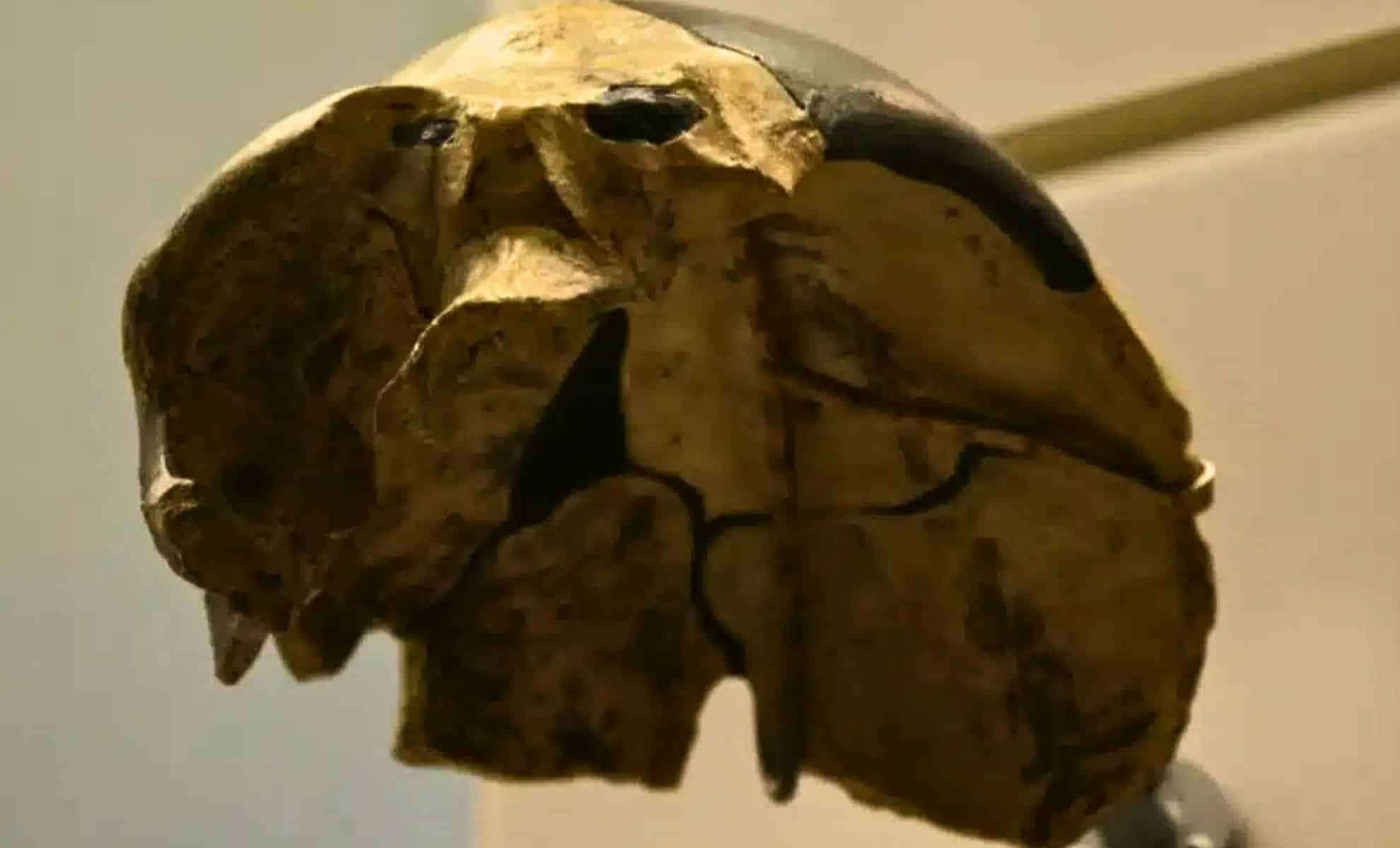
In 1958, farmers in southern China's Guangdong province stumbled upon a skull fragment while gathering bat guano for fertilizer. What appeared to be an unremarkable find soon became one of paleontology’s most baffling specimens. Dubbed Maba 1, the fossil includes parts of the upper skull and face and has puzzled scientists for decades.
Initially labeled as a “Chinese Neanderthal” due to certain facial structures reminiscent of European Neanderthals, the fossil’s classification grew uncertain as analytical techniques advanced. A recent investigation presented in the American Journal of Biological Anthropology revisited the fossil, uncovering a blend of features derived from various ancient human species, defying simple categorization.
Modern Imaging Sheds New Light on the Fossil
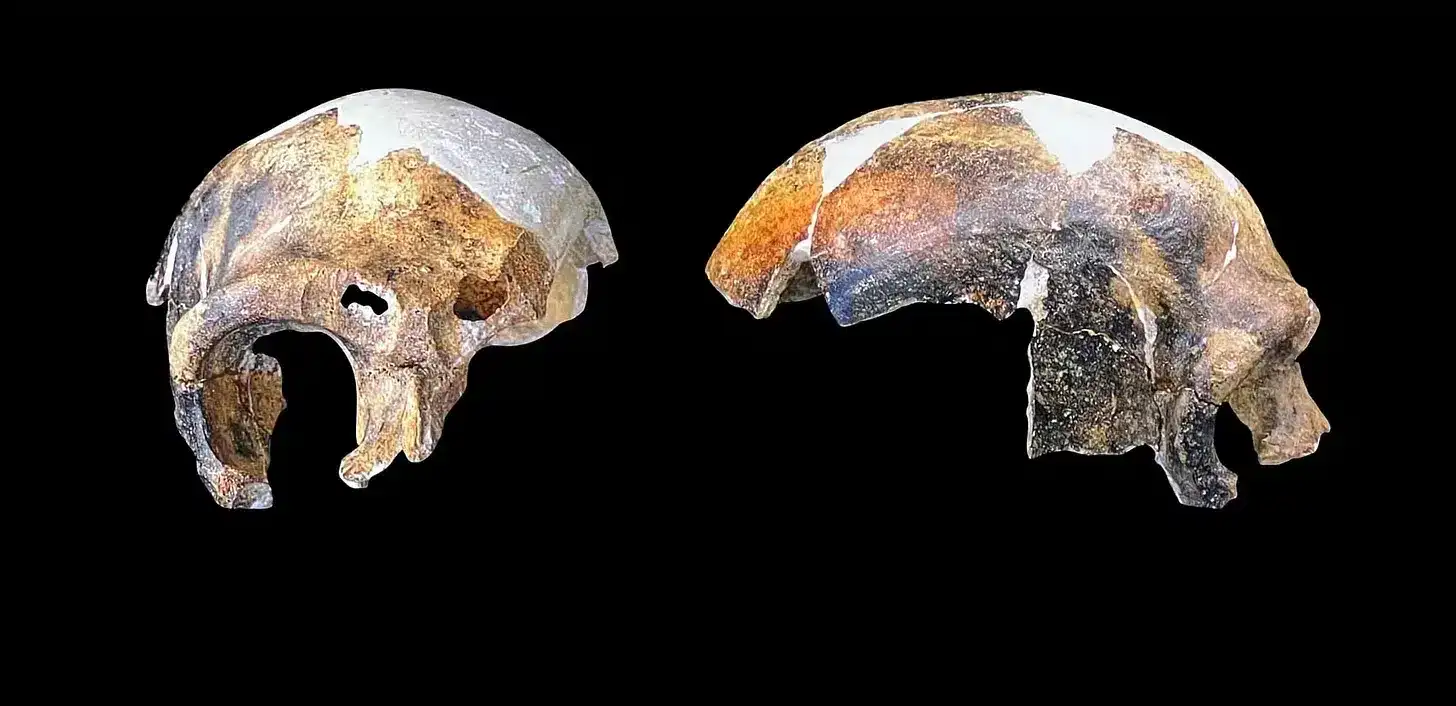
For a long time, Maba 1 remained understudied until progress in imaging technology renewed interest. Employing high-resolution CT scans, researchers examined the fossil’s inner anatomy in detail. These scans exposed the skull’s complex internal passages, including nasal cavities, sinuses, and the key diploic vessels located in the spongy bone layer.

The data revealed an extraordinary blend of traits from different ancient human species. Characteristics linked to Homo erectus, aspects resembling Homo sapiens, and features similar to Homo heidelbergensis were all present. However, none of these aligned perfectly with any known species. The skull seemed to represent an entirely distinct ancestral human lineage rather than a Neanderthal, Denisovan, or a direct precursor to modern humans.
Decoding the Middle Pleistocene Enigma
The era known as the Middle Pleistocene (roughly 780,000 to 126,000 years ago) often baffles scientists and is occasionally dubbed the “middle muddle.” This period witnessed several hominid species inhabiting overlapping regions, including direct human ancestors, distant relatives, and likely hybrid groups.
Similar to Maba 1, fossils from this period frequently defy straightforward classification. Many display a mosaic of traits inherited from both earlier hominins and the ancestors of today’s Homo sapiens. These hominids coexisted in an evolutionary landscape marked by diversity, occasional interbreeding, and unclear relationships within our human family tree.
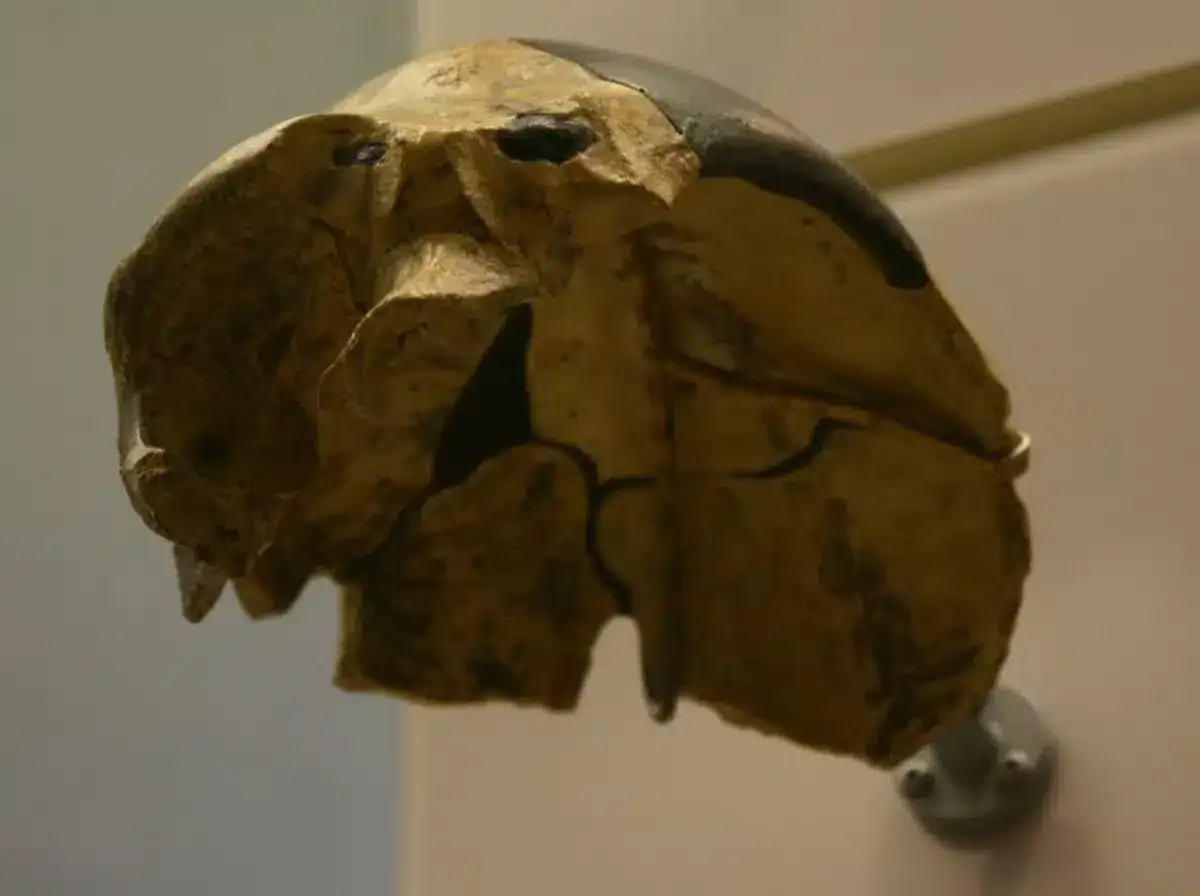
Beyond its unusual mix of physical traits, Maba 1 may represent a previously unidentified extinct branch of the human lineage, one not well documented in the fossil record. This discovery highlights the intricate and tangled nature of human evolution, which is far from a direct, linear descent from Australopithecus to modern humans.
Based on these findings, scientists have suggested labeling Maba 1 as a "non-erectus" hominin, emphasizing that it does not fit within the classic evolutionary framework surrounding Homo erectus.
- Categories:
- Science






0 comments
Sign in to Comment