
A recent study featured in Nature Cities has revealed that all of the 28 largest cities in the United States are undergoing land subsidence at different rates. This alarming discovery highlights how urbanization, rising seas, and groundwater depletion contribute to the gradual sinking of these metropolitan areas.
Understanding Urban Land Subsidence and Its Significance
Urban subsidence is the slow downward movement of land surfaces within cities, driven by natural processes and human activities. This condition has become widespread in numerous major cities across the U.S..
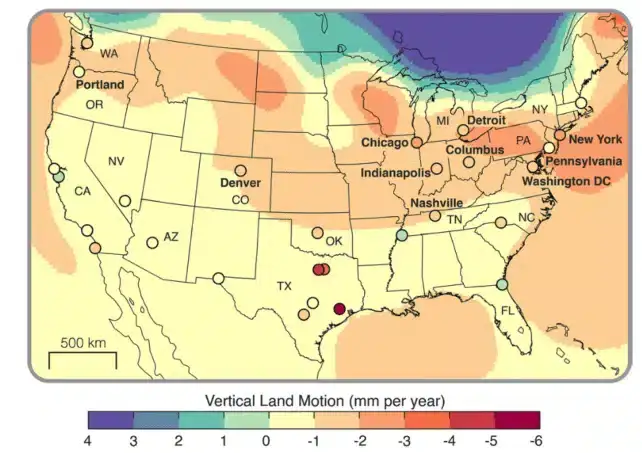
From 2015 to 2021, the research found that at least one-fifth of the land in each of these top 28 cities—including Houston, Chicago, and Dallas—experienced measurable sinking. In certain locations, subsidence rates surpassed 2 millimeters per year, raising concerns particularly in regions also threatened by sea-level rise.

Multiple factors contribute to this phenomenon. Increased urban development adds weight to the ground, while extracting groundwater for farming and industrial purposes removes the water supporting the soil, causing it to compact and sink.
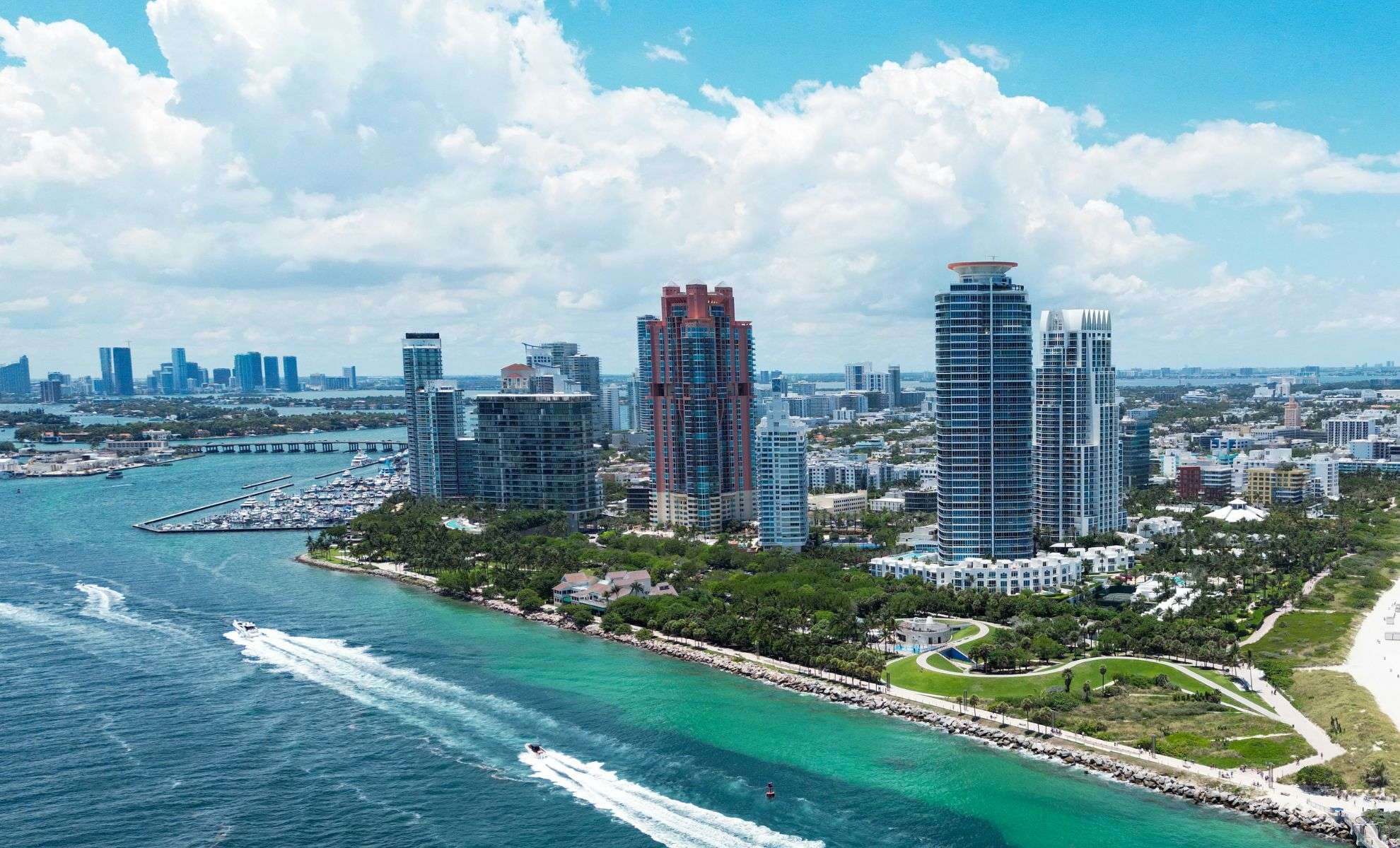
Coastal cities such as Miami and New York face dual challenges from sinking land and climbing sea levels, heightening the risks of flooding and damage to critical infrastructure.
Cities Experiencing the Most Pronounced Subsidence
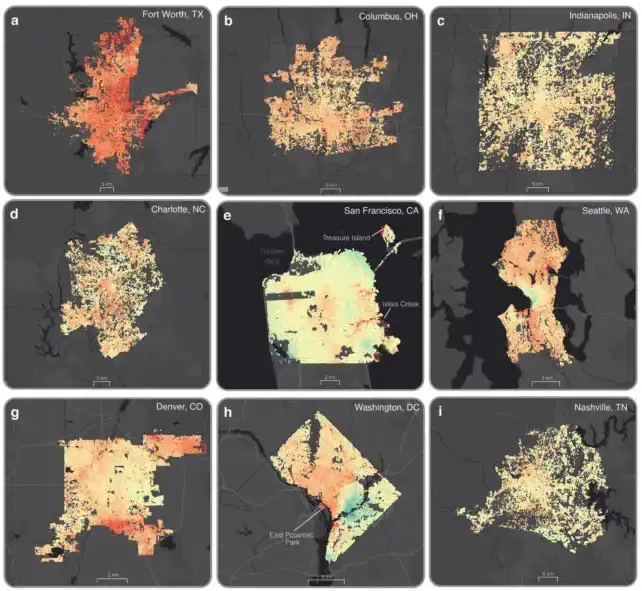
Among the affected cities, Houston stands out with over 40% of its area sinking faster than 5 millimeters annually. This rapid descent is closely linked to ongoing groundwater depletion and oil and gas extraction.
Significant subsidence has also been observed in Dallas, Fort Worth, and Chicago. Remarkably, Indianapolis shows subsidence in nearly 98% of its land, exacerbating infrastructure vulnerabilities and heightened flood dangers.
New York faces a similar predicament, with zones sinking at rates exceeding 2 millimeters per year. This uneven sinking has already impaired roads, buildings, and bridges. Additionally, Washington D.C. has areas where subsidence surpasses 5 millimeters annually, posing mounting challenges.
Long-Term Consequences: Infrastructure Vulnerability from Subsidence
The ongoing sinking threatens the safety and durability of vital infrastructure. Damage from subsidence includes cracks, foundation shifts, and deterioration in roads, bridges, buildings, and sewage systems. This risk is particularly severe when coupled with potential flooding due to sea-level rise.
Experts warn that even slower subsidence rates accumulate risk over time. Manoochehr Shirzaei, a geophysicist at Virginia Tech and study co-author, highlights that 29,000 structures nationally are already in zones prone to subsidence damage.
“The latent nature of this risk means that infrastructure can be silently compromised over time with damage only becoming evident when it is severe or potentially catastrophic,” Shirzaei explains.
Strategies to Mitigate Urban Land Sinking
One key recommendation is to curb groundwater withdrawal, a move that could slow subsidence, especially in cities like Houston. Implementing water use restrictions may be vital in preventing further land decline.
Coastal cities threatened by both sinking and rising seas might consider strengthening defenses with sea walls or other barriers to reduce saltwater intrusion and flood hazards. Flood-susceptible areas like New Orleans may also require elevated land and enhanced drainage to protect communities.
In cities facing uneven subsidence, updating infrastructure by reinforcing foundations or enforcing revised building standards could help withstand land movement. While solutions vary by region, experts urge proactive action before subsidence issues worsen.
- Categories:
- News











0 comments
Sign in to Comment