
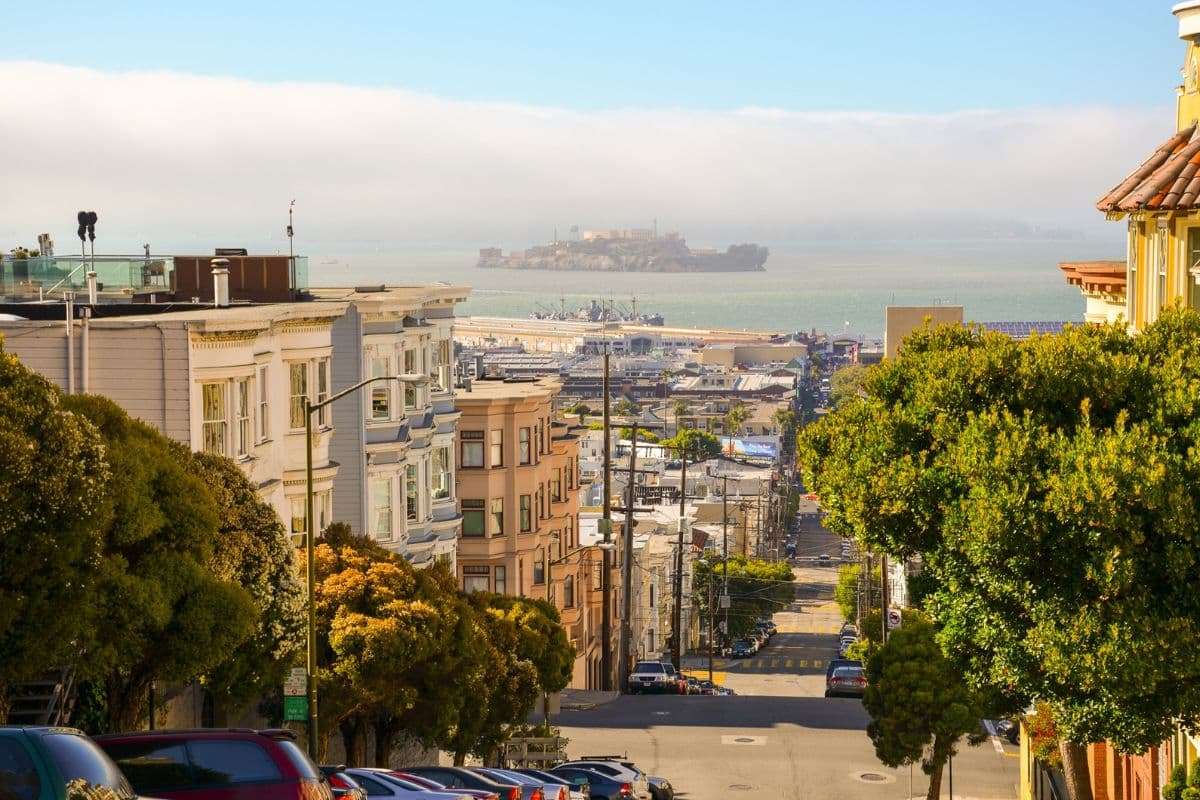
Several locations across Northern California, including San Francisco, are experiencing notable ground sinking, intensifying existing environmental and geological hazards. A recent NASA study reveals that sediment compression, erosion, and historic industrial activities have accelerated land subsidence, which, combined with climate-induced sea level rise, threatens thousands of residents and critical infrastructure worth billions.
Accelerating Land Sink in the Bay Area
Released on February 10, 2025, NASA’s findings spotlight specific zones where sinking exceeds 0.4 inches annually. Notable affected locations include:
- San Rafael, Corte Madera, and Bay Farm Island, experiencing rapid subsidence,
- Foster City, which has reduced some risk through a $90 million levee enhancement initiative finished in 2024,
- The Big Sur coastline, affected by gradual landslides contributing to ground drop.
The Hidden Factors Driving San Francisco’s Subsidence
A key contributor to San Francisco’s land slump is its reclaimed wetlands, converted wetlands and marshes now urban areas. NASA’s Jet Propulsion Laboratory remote sensing scientist Marin Govorcin notes that these reclaimed sites are subsiding even faster than the increase in sea levels.

Data from the United States Geological Survey (USGS) indicates that prior to 1850, the Bay Area encompassed over 2,000 square kilometers of wetlands. Extensive hydraulic mining and industrial growth have resulted in the destruction of nearly 95% of these ecosystems, raising concerns about the long-term stability of the land.
Sea Level Rise Compounds Coastal Risks
Alongside ground sinking, California contends with rising seas driven by climate change. The NASA report forewarns that by 2050, sea levels along California’s shoreline may climb by between 6 and 14.5 inches relative to 2000 levels. Certain low-lying zones could face increases exceeding 17 inches, enhancing flood dangers.
By 2100, it's projected that approximately 700,000 people in California and property valued at $250 billion may be threatened, imperiling the state's coastal economy valued at $45 billion annually and supporting millions of residents.
California’s Call for Swift Measures
The state’s 2024 sea level rise guidance underscores an urgent need for decisive and immediate efforts to defend homes, infrastructure, and natural habitats against subsidence and increasing ocean levels.
“For the sake of residents, ecosystems, and economic health, California must act boldly and quickly to prepare for impacts already unfolding and those expected in the future,” the report emphasizes.
Future Outlook
Experts highlight the importance of fortifying protective barriers, restoring marshes, and improved urban development planning as critical strategies to combat combined subsidence and sea rise effects. Without comprehensive and sustained actions, the destiny of many coastal communities, including sections of San Francisco, remains precarious.
- Categories:
- News










0 comments
Sign in to Comment