
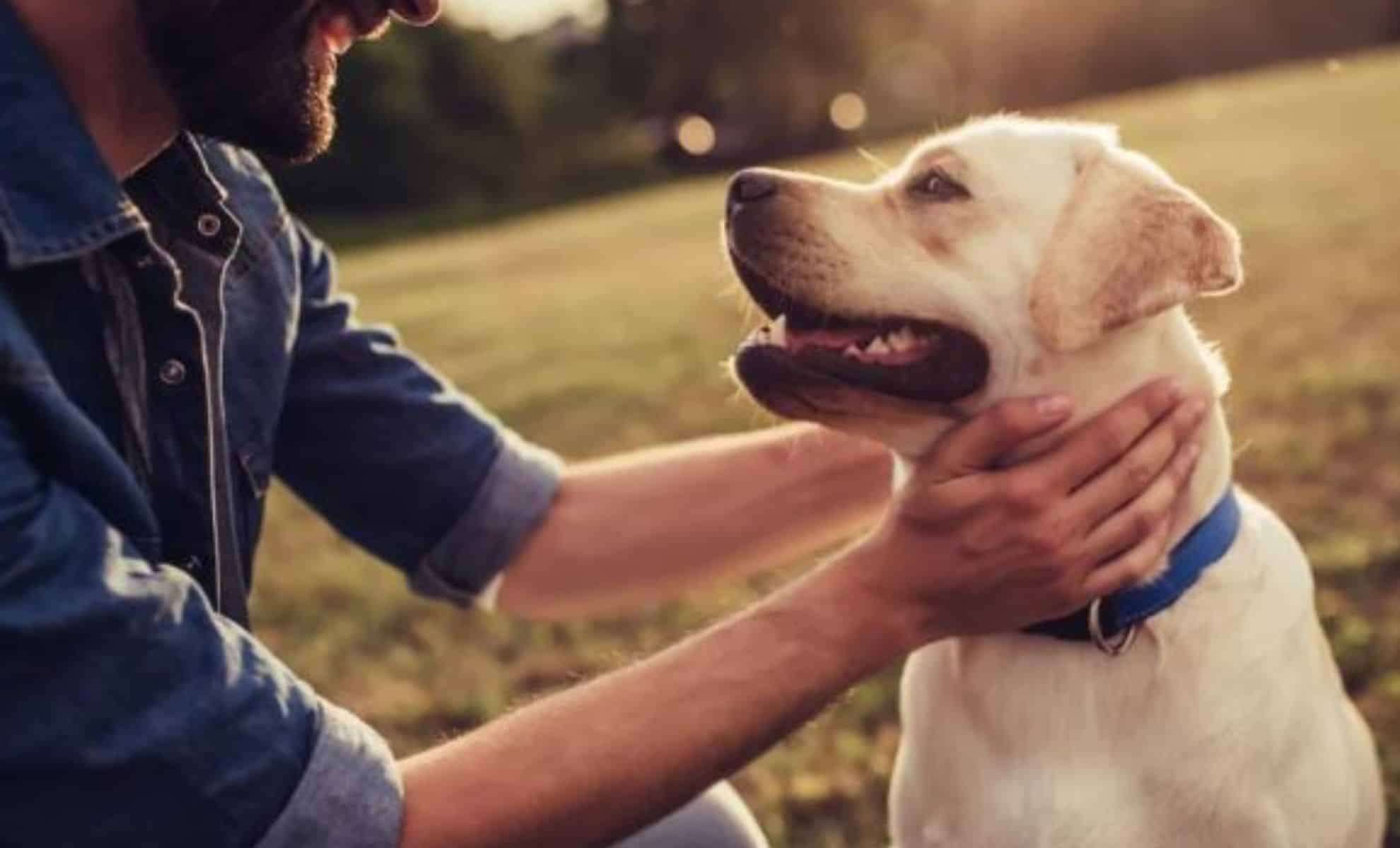
Emerging studies indicate that domesticated dogs may be entering a novel phase of evolution reflecting their evolving role alongside humans.
Previous domestication periods primarily focused on dogs’ functional skills in hunting, herding, or guarding. However, modern pet owners increasingly value traits such as friendliness and calmness, in line with a more sedentary, urban lifestyle. This transformation in human expectations appears to be influencing canine biological and behavioral adaptations.
Shifting Functions and Behavioral Changes
Traditionally, dogs played vital roles as working animals, assisting with livestock herding, hunting, and property protection. With human societies becoming more urban, dogs' functions have evolved into companionship, offering emotional support rather than engaging in labor. Scientific evidence suggests this has enhanced dogs’ ability to connect socially, a process likely influenced by the hormone oxytocin, often dubbed the “love hormone.”

Researchers at Linköping University in Sweden examined how dogs' communicative skills with humans have progressed. Their study involved 60 golden retrievers and tested whether dogs would seek help when faced with an inaccessible jar. Dogs administered an oxytocin nasal spray demonstrated increased likelihood to engage their owners for assistance, indicating a stronger social bond.
The study also identified that dogs carrying a specific variant of the oxytocin receptor gene showed heightened sensitivity to the hormone, improving their human interaction. This genetic aspect is believed to underpin the third domestication phase hypothesis.
Service Dogs as a Model of Evolutionary Adaptation
A prime example of this ongoing evolutionary trend appears in service dogs, selectively bred and trained to support people in diverse tasks. Experts like Brian Hare and Vanessa Woods of Duke University describe these dogs as “highly trained professionals” with exceptional qualities that enable smooth integration into their handlers’ lives. Service dogs naturally display friendliness towards strangers, maintain composure in various environments, and consistently assist their owners.
Woods and Hare propose that this heightened sociability may mirror genetic changes similar to those occurring during early wolf domestication. “Increasing friendliness seems to have changed these dogs’ biology, just as it did thousands of years ago,” they explained in The Atlantic. As human priorities center on social harmony and tranquility, such traits could become dominant, possibly leading to new dog varieties tailored specifically for modern urban life.
Emergence of a Third Domestication Stage
The initial domestication of dogs took place between 40,000 and 14,000 years ago, when wolves began scavenging near human encampments and gradually developed reduced fear, marking the first domestication wave. A second wave followed the Industrial Revolution, emphasizing selective breeding for physical traits that produced today’s numerous dog breeds.
Currently, with humans inhabiting increasingly metropolitan areas, canine roles have shifted towards social engagement and lower physical demand. This has introduced challenges as some traditional behaviors, like protective instincts, can clash with the expectations of dense urban living where sociability is favored.
Woods and Hare advocate that we are witnessing a third domestication phase, prioritizing emotional compatibility and flexibility in dogs. They emphasize that “to improve the well-being of dogs and owners alike, breeding and training should focus on producing more dogs resembling service animals, kicking off a new domestication wave meant to help dogs thrive in today’s world.”











0 comments
Sign in to Comment