
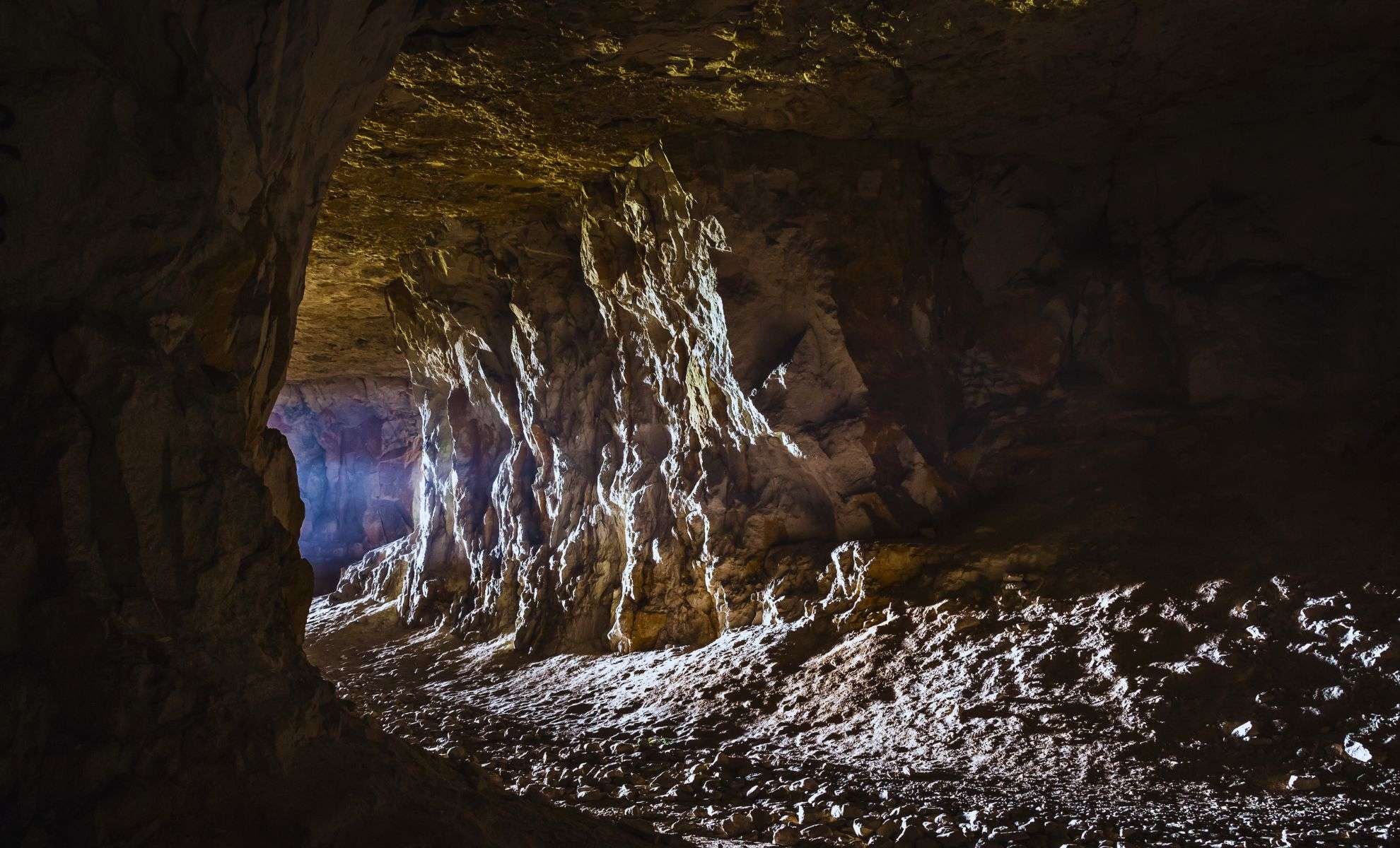
Explorers diving into Mexico’s Tlayócoc cave have uncovered ancient relics that shed light on a mysterious civilization. Beneath a submerged tunnel, they discovered shell bracelets engraved with symbols, linked to the little-known Tlacotepehua culture. These findings were detailed in a recent report published by the In a submerged cave in Mexico, explorers uncovered ancient artifacts linked to a mysterious people. (INAH).
Enigmatic Treasures Found Within a Hidden Chamber
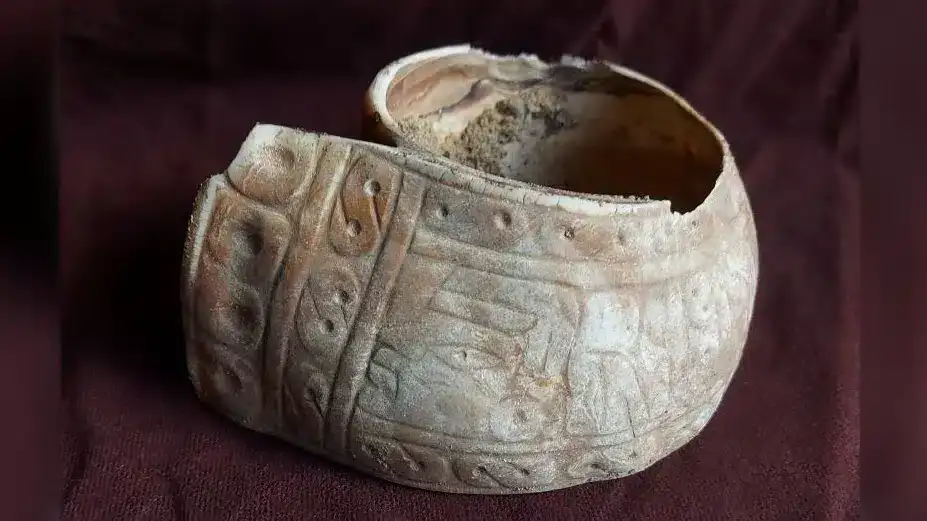
During an expedition led by spelunker Yekaterina Katiya Pavlova alongside local guide Adrián Beltrán Dimas, a concealed chamber was discovered after navigating an underwater passage in Tlayócoc cave. Inside, multiple artifacts surfaced, including shell bracelets carved with motifs like S-shaped curves and zigzag patterns.
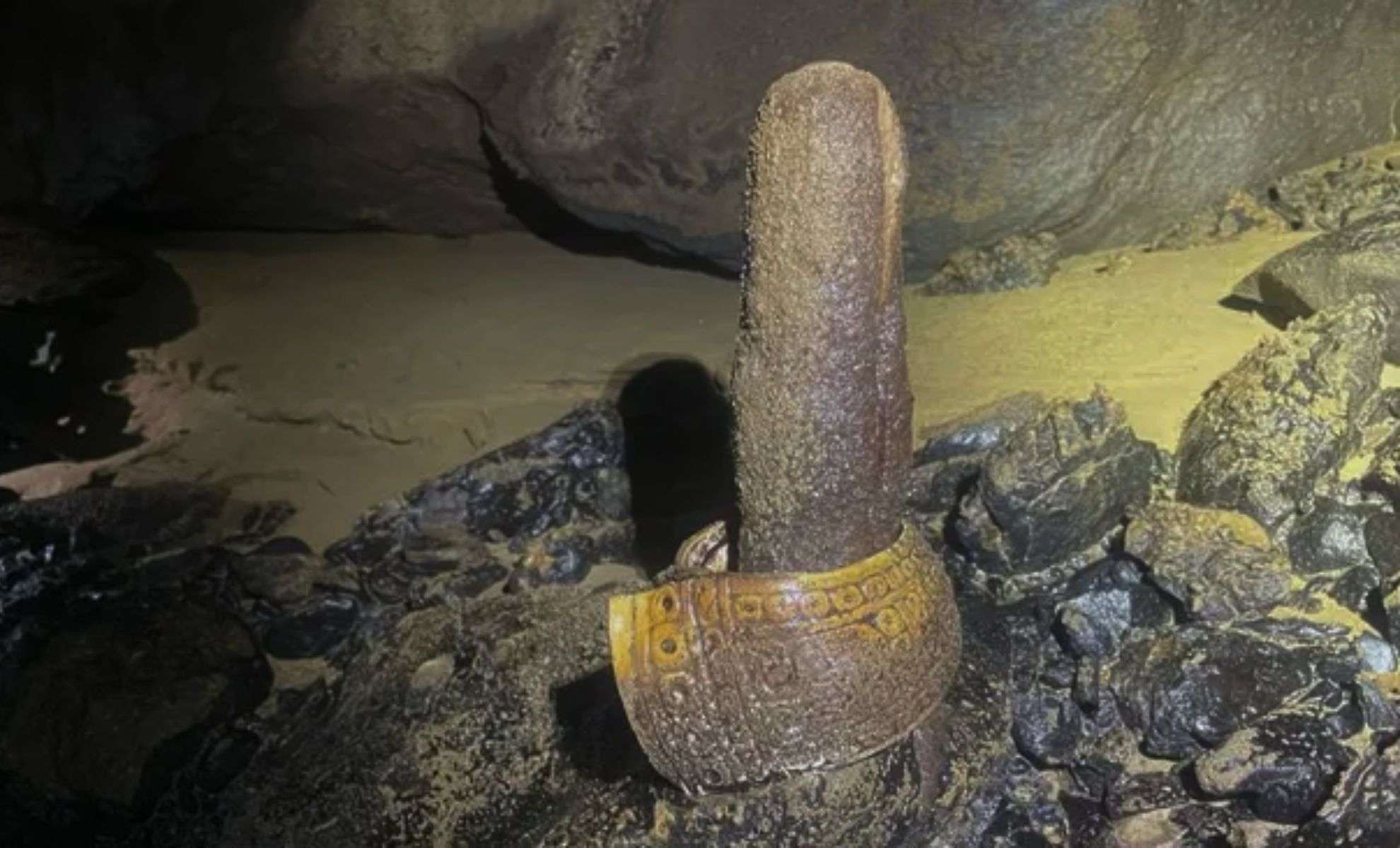
“I looked in, and it seemed like the cave continued. You had to hold your breath and dive a little to get through,” she explained in a statement. “That’s when we discovered the two rings around the stalagmites.”
Add Cosmo Herald as a Preferred Source

These relics, estimated to be roughly 500 years old, were probably used in ceremonial rites by the Tlacotepehua. Among the discoveries were also a large snail shell and stone discs resembling ancient mirrors. Their deliberate arrangement on stalagmites indicates the cave was likely a sacred site for this community.
Unraveling the Story of the Tlacotepehua
The Tlacotepehua remain a largely obscure group, with scarce mentions in historical texts. Existing knowledge about them is primarily drawn from 16th-century narratives. They inhabited the Sierra de Guerrero, a region marked by its high altitude and cold climate, sitting over 7,850 feet above sea level.
Evidence suggests they seasonally descended to lower elevations due to harsh weather conditions. Nonetheless, much of their culture and lifestyle is still unknown. Archaeologist Miguel Perez from INAH highlights that the new artifact discoveries provide valuable insights into their society.
“This finding is of great relevance, since, with the study of the contextual relationship of the pieces of the cave, we can interpret symbolic notions, cultural aspects, manufacturing, and even trade,” Perez said in a statement. “This helps characterize the pre-Hispanic societies settled in the Sierra de Guerrero.”
While these discoveries mark significant progress, much remains to be explored to fully understand the Tlacotepehua’s heritage.
More Than Just Stone: Caves as Ritual Portals
In many ancient societies, caves were perceived as sacred locations, serving as portals to spiritual or otherworldly realms. This likely applied to the Tlacotepehua as well. Within Tlayócoc cave, the modification of stalagmites and the intentional positioning of artifacts imply the space was central to ritual activities. Archaeologist Cuauhtémoc Reyes Alvarez from INAH notes the stalagmites were intentionally shaped to meet ceremonial requirements.
The symbols engraved on the shell bracelets embody spiritual themes such as creation and fertility, resonating with motifs found in other ancient cultures. By examining these artifacts, researchers aim to deepen understanding of the Tlacotepehua’s spiritual beliefs and their interactions with neighboring peoples.
- Categories:
- News






0 comments
Sign in to Comment