
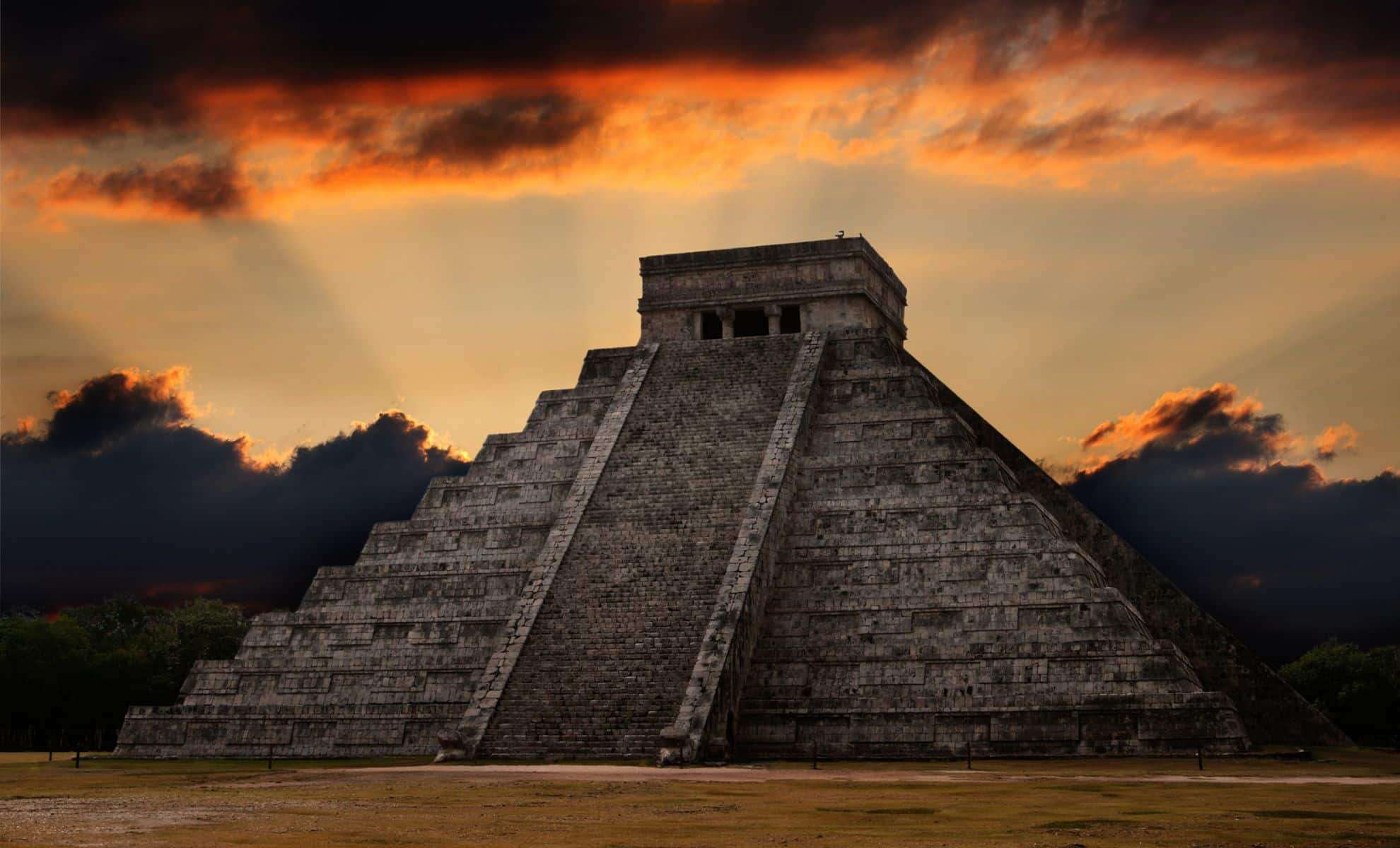
A groundbreaking genetic study is shedding new light on the heritage of the Classic Maya, offering intriguing insights into their origins, migration patterns, and the remarkable ascent and decline of this iconic ancient society.
Uncovering the Ancestry of the Classic Maya
The Classic Maya civilization is celebrated for its impressive urban centers, intricate writing, and sophisticated astronomical knowledge. However, much about their genetic origins has remained unclear. Recent research has mapped the ancestral roots of the Maya back to the Late Archaic era, revealing a deep historical lineage.
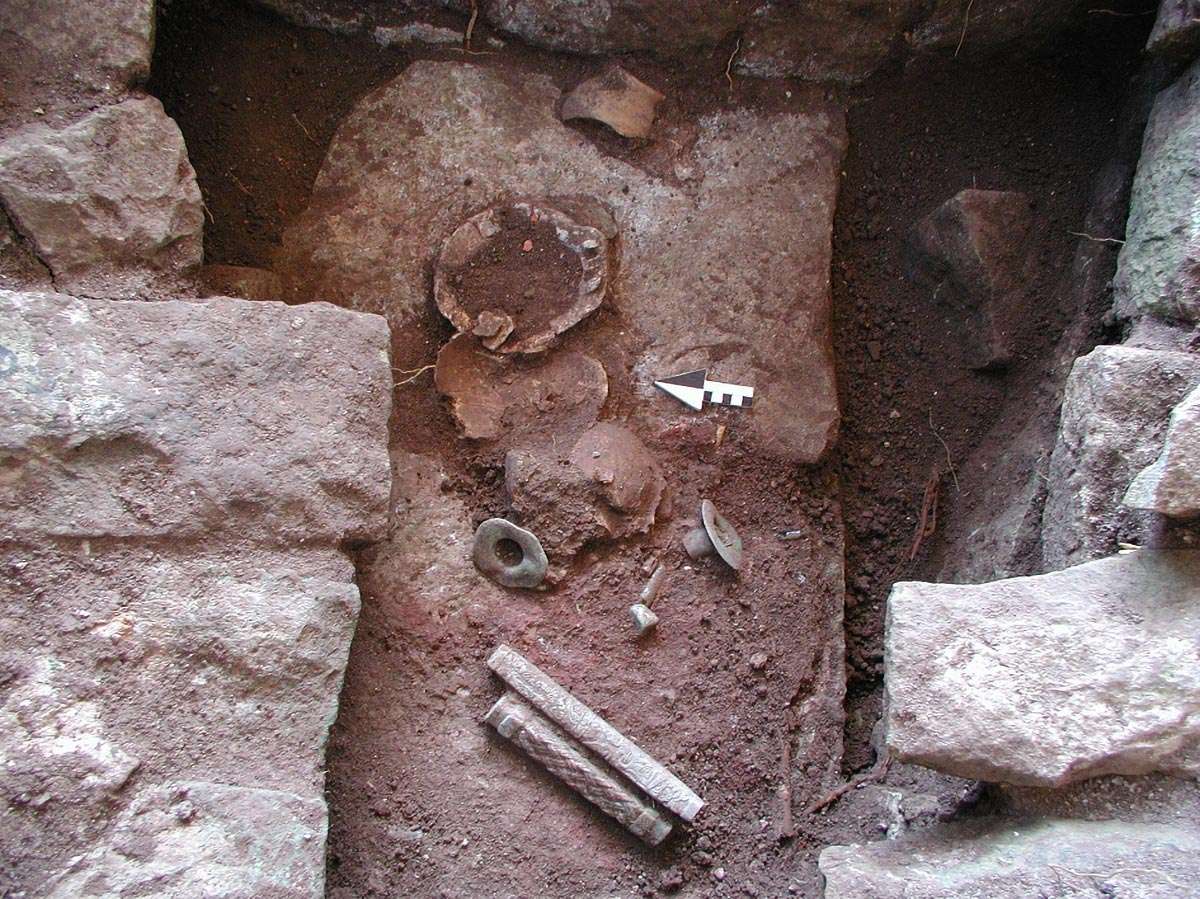
The investigation, published in Current Biology, centered on Copán — an ancient city in modern-day Honduras. By analyzing ancient DNA, scientists retrieved genomes from seven individuals dating to the height of the Classic period.

Highland Mexican Ancestry Shaping Maya Genetics
A key discovery was the presence of genetic signals linking the Maya to populations from highland Mexico. As Copán expanded its influence, there was clear evidence of genetic mixing with northern neighbors. This intermingling likely occurred through migration, trade, and cultural exchanges, enriching the genetic structure of the Maya civilization.
These findings also reflect the broader socio-political dynamics of the era, where population mixing played an essential role in the growth and cultural development of Maya centers. The data from Copán enhances our comprehension of how these interactions shaped Maya history.
Genetic Insights Into the Maya Collapse
The genome analysis also uncovers signs of population decline corresponding to the disappearance of Classic Maya urban hubs. By the late 9th century, many southern lowland cities were deserted. Genetic evidence highlights the significant reduction in inhabitants at Copán and other major sites, aligning with archaeological records. While the reasons behind the Maya collapse continue to be debated, this genetic perspective adds valuable clues regarding environmental, societal, and political pressures linked to this downturn.
Dr. Shigeki Nakagome, lead geneticist at Trinity College Dublin, underscored the study’s significance. “The Classic Maya civilization holds a fascinating historical record, yet aspects of their genetic ancestry remained elusive. Applying ancient DNA analysis opens a window into their population history and helps address unanswered questions about their formation,” he stated.
Modern Lessons Drawn From Ancient Maya
Beyond expanding our understanding of the Maya culture, the research offers important reflections for contemporary society. In an age where environmental shifts increasingly impact human populations, studying how past civilizations responded to ecological challenges is vital.
The decline of the Classic Maya civilization illustrates how climate factors such as drought may have precipitated societal instability. “This work provides important contributions to anthropology, archaeology, and genetics, enriching our overall grasp of human diversity and evolutionary history,” concluded Dr. Nakagome.
- Categories:
- News






0 comments
Sign in to Comment