
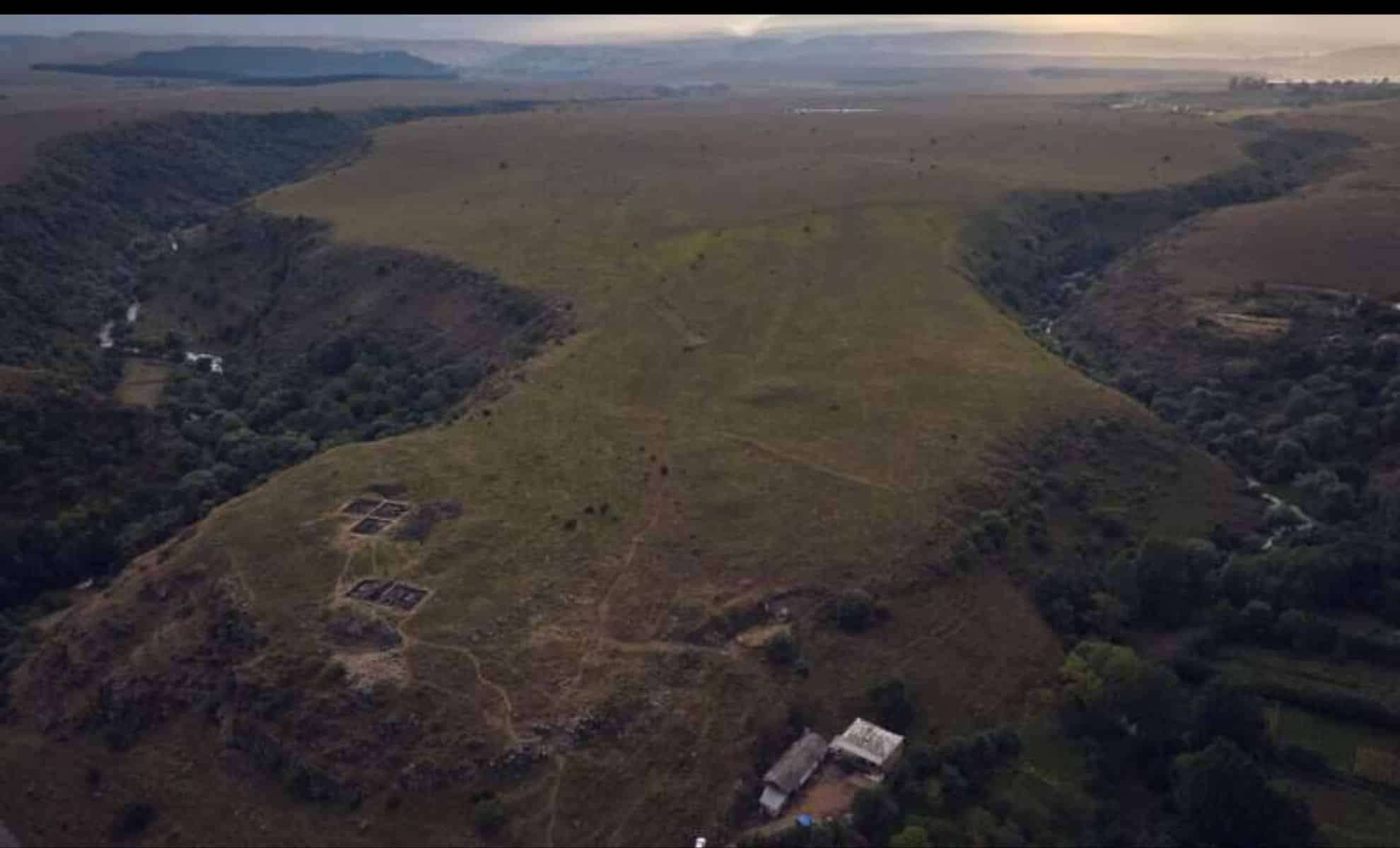
The uncovering of Dmanisis Gora, a long-forgotten fortress nestled in the Caucasus Mountain range, is reshaping the way experts view early urban development. Thanks to pioneering drone technology, researchers have determined that the settlement is far more extensive and complex than previously recorded. Leading this effort, Dr. Nathaniel Erb-Satullo from Cranfield University and Dimitri Jachvliani at the Georgian National Museum employed aerial photography combined with satellite imagery and Geographic Information System (GIS) analysis to explore a site of international relevance.
Revealing History with Advanced Drones
Early land-based investigations hinted at remnants of walls and other stonework, prompting a need for a broader vantage point. “This inspired us to use a drone to capture aerial views,” said Dr. Erb-Satullo. Employing a DJI Phantom 4 RTK drone, the research team collected nearly 11,000 high-definition images. These were processed into sophisticated digital elevation models and orthophotos, offering a comprehensive aerial perspective of the site.
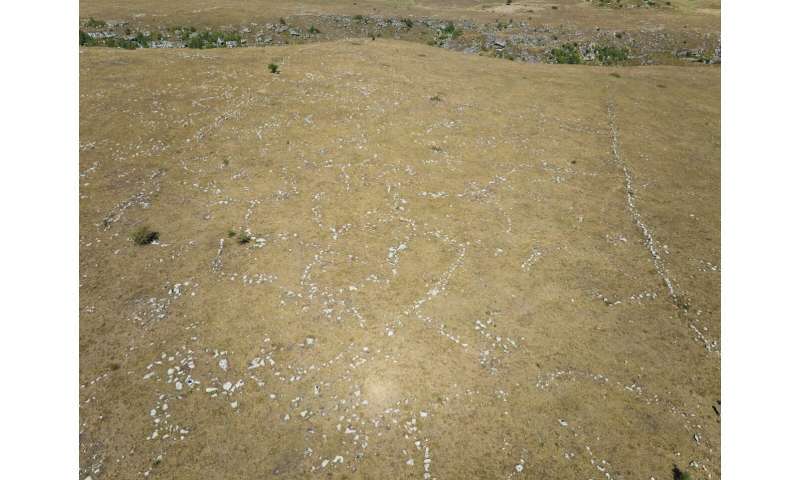
“The drone captured close to 11,000 photos, which sophisticated software stitched together to create detailed digital elevation models and orthophotos—images that simulate a direct overhead view,” explained Dr. Erb-Satullo. “This allowed us to trace faint terrain features and map the fortification walls, burial grounds, agricultural zones, and other stone formations within the outer area. Our findings revealed that the settlement spans over 40 times the size previously estimated, featuring a fortified perimeter that stretches approximately 1 km.”

These precise aerial images disclosed elements invisible from ground level, including intricate defensive networks and evidence of seasonal habitation trends. “Drones have granted us unprecedented insights and documentation capabilities that traditional ground surveys cannot match,” noted Dr. Erb-Satullo.
A Strategic Hub at the Cultural Intersection
Dmanisis Gora's position in the Southern Caucasus places it at an ancient cultural nexus connecting Europe, the Eurasian Steppe, and the Middle East. Scholars believe that the settlement’s growth was influenced by interaction with nomadic pastoralists, whose seasonal movements likely led to the fluctuating expansion and contraction of the site. This reflects broader trends in the developmental patterns of Bronze and Iron Age civilizations.
“We propose that seasonal mobility of pastoral groups played a significant role in the site's evolution and the varying scale of the extensive outer settlement,” Dr. Erb-Satullo stated. “With the site now carefully documented, subsequent research will explore aspects such as demographic distribution, herding pathways, and farming activities.”
Insights into Early Urban Complexity
The team's trailblazing work offers new perspectives on the variation among early large-scale urban settlements. Ongoing examination of artifacts, including ceramic fragments and faunal remains, aims to reveal details about the inhabitants’ everyday experiences and social organization. Dmanisis Gora not only illuminates the Caucasus area’s ancient past but also enriches the global understanding of early city formation.
Dr. Erb-Satullo highlighted the find’s broader importance: “Dmanisis Gora represents a critical discovery for Southern Caucasus archaeology and offers valuable insights into the diversity of urban settlement structures and their development.”
Advancing Archaeology with Emerging Technologies
Fusing aerial imaging with conventional excavation practices signals a new chapter in archaeological exploration. The Dmanisis Gora initiative illustrates how drones, multilayered satellite imagery, and GIS can revolutionize the study of antiquity. As investigations advance, researchers hope to decode further details about the settlement’s societal roles, economic frameworks, and cultural interactions.
This revelation of Dmanisis Gora showcases how innovative approaches can illuminate lost narratives of human adaptation and creativity, providing valuable glimpses into a civilization that flourished three millennia ago.
- Categories:
- News








0 comments
Sign in to Comment