

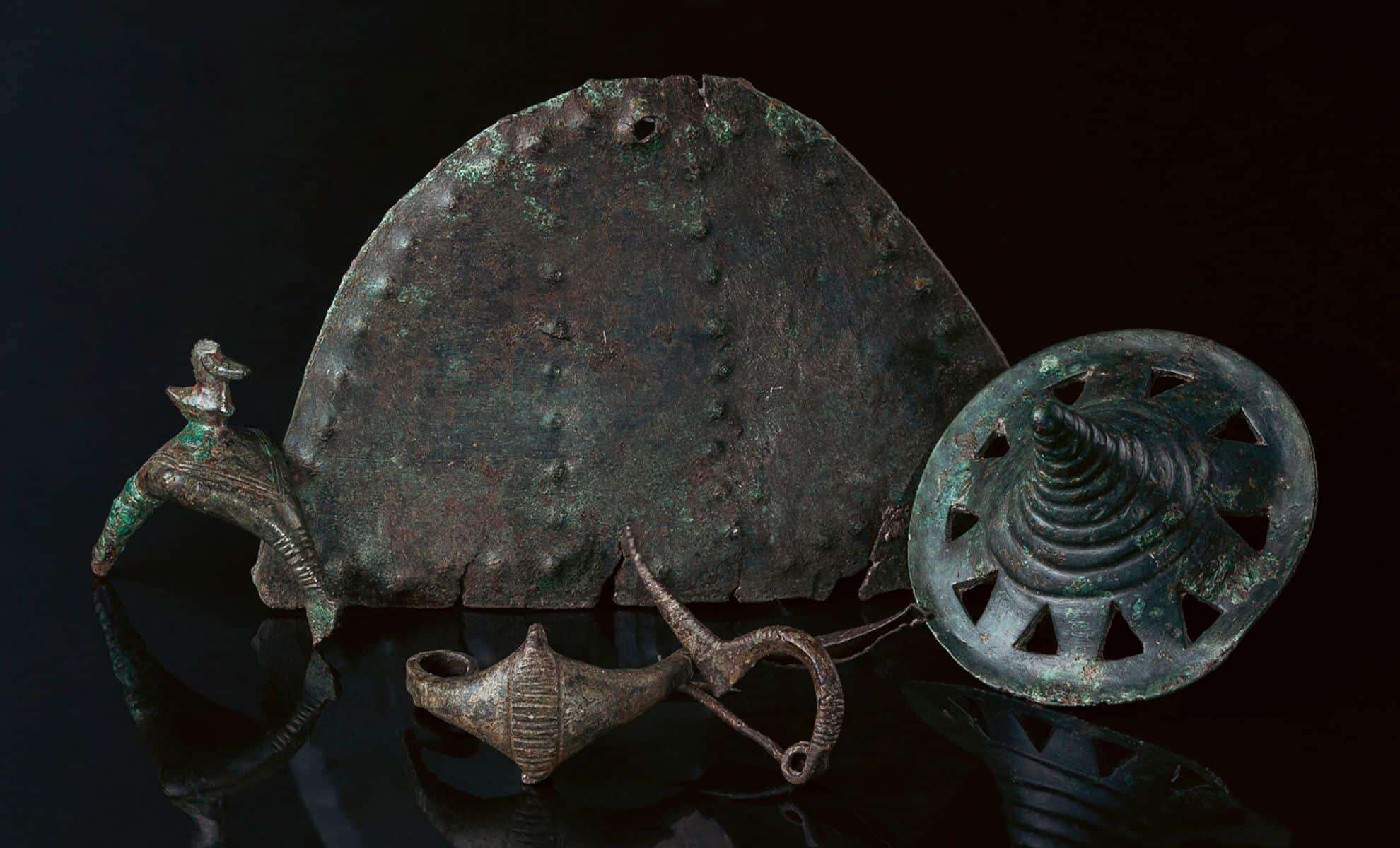
Archaeologists have uncovered more than 300 ancient relics on the summit of Somló Hill, a dormant volcano in Hungary. This extraordinary discovery, detailed in a recent publication in Antiquity Journal, sheds new light on the area's rich archaeological record. Farmers have historically stumbled upon treasures in the volcanic earth, but only now have researchers been able to assemble the full story behind these finds.
Somló Hill: Uncovering a Volcanic Archaeological Gem
Nestled in northwestern Hungary, Somló Hill appears as a modest volcanic formation but holds far greater archaeological significance than previously assumed. While locals had often found artifacts scattered across the terrain, a comprehensive excavation effort conducted by archaeologists in partnership with Hungarian research institutions has revealed the site's extensive historical value.
The collection features golden ornaments, ancient coins, and ritualistic offerings that suggest the hilltop likely served spiritual purposes for Iron Age inhabitants. These communities saw volcanic sites as imbued with mystical power, making them central to ceremonial rites and sacred activities.

Could Somló Hill Have Been a Center for Rituals?
The artifacts provide compelling clues to the religious customs of Iron Age populations. The discovered gold and silver coins probably functioned as offerings dedicated to deities or ancestral spirits. Alongside these, pottery fragments, tools, and remains of structures hint at a possible settlement or a devoted worship site.
Researchers are particularly fascinated by ceremonial items that might have been used in rituals involving elemental forces like fire and water, underscoring Somló Hill’s likely sacred role for ancient communities.
Insights into Ancient Trade and Economy
The presence of valuable coins and treasures highlights Somló Hill as both a religious center and a hub of wealth circulation. These riches might represent parts of extensive trade networks.
The diversity of artifacts—from exquisite jewelry to coins originating from distant regions—implies that those who frequented the site were connected with broad commercial routes linking Europe, positioning Hungary as a vital crossroads between the Mediterranean and northern territories.
This Remarkable Discovery Rewrites Prevailing Views of the Past
The find challenges previous notions about the role of sacred sites within Iron Age European societies. Until now, many experts believed such locations were secluded from major economic exchanges.
The uncovered treasures from Somló Hill indicate a complex relationship where spiritual practices and commercial activity intersected. This evidence could lead to a reevaluation of how religious centers were linked to political influence and economic power during the Iron Age.
- Categories:
- News










0 comments
Sign in to Comment