
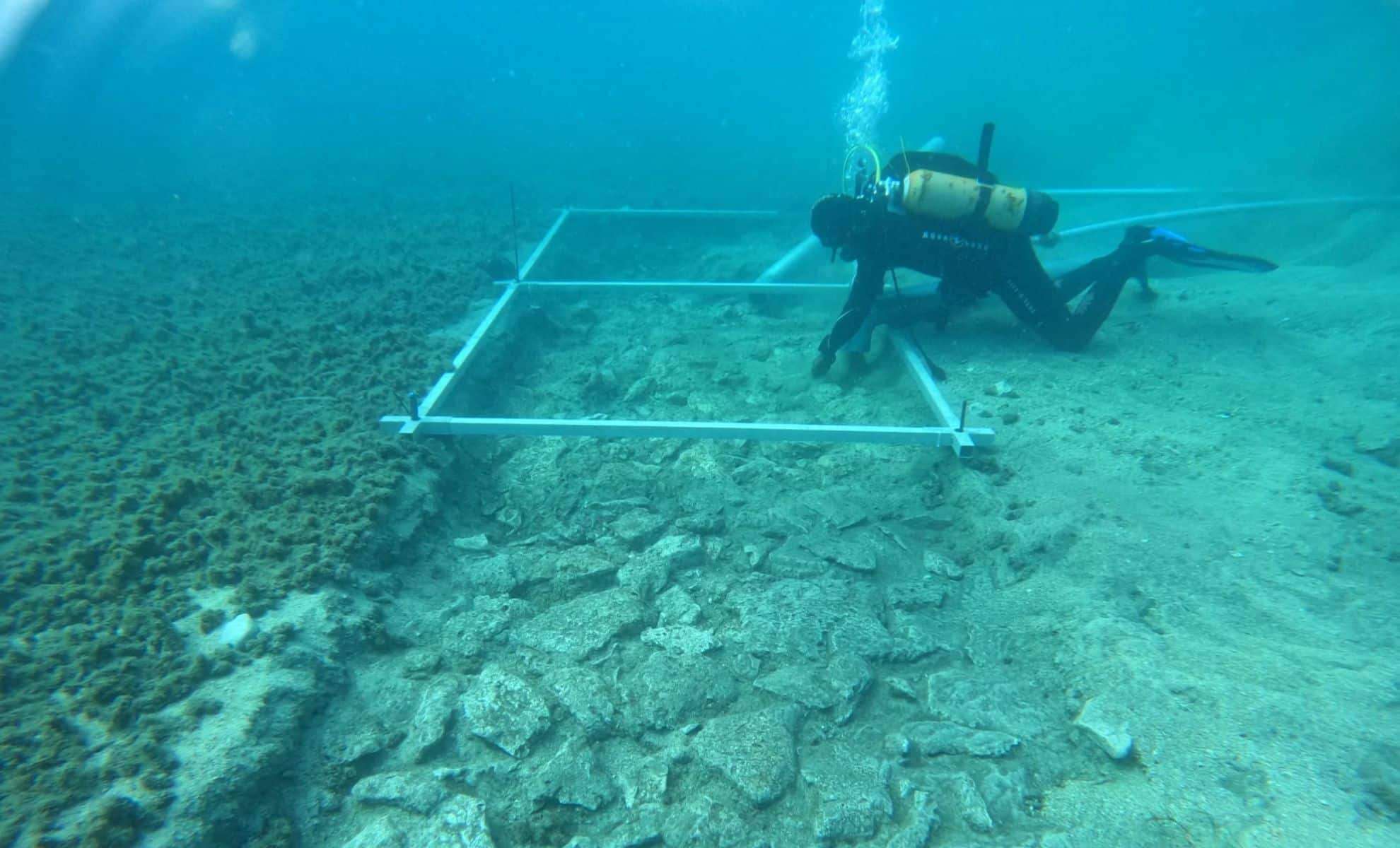
Researchers have uncovered an extraordinary 7,000-year-old pathway submerged near Croatia’s southern Mediterranean coast. This remarkable find sheds light on Neolithic societies and their advances in creating transport routes during prehistoric times. Led by Mate Parica from the University of Zadar, the team determined that this ancient route linked an island habitat to Korčula Island, a key region inhabited by hunter-gatherers around 4900 BCE.
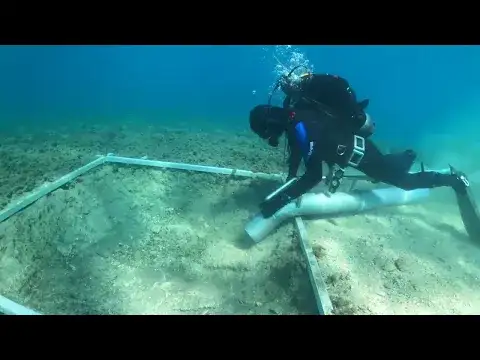
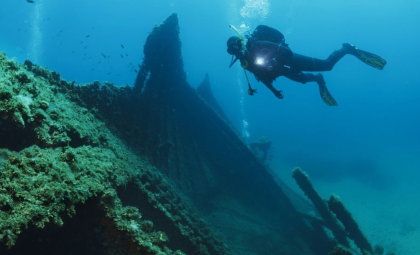
The initial clue emerged when Parica reviewed satellite images of Korčula’s shoreline and spotted what seemed like a submerged stone road. Subsequent underwater exploration revealed a trail made of large stone slabs roughly 4 meters in width, lying 4 to 5 meters below sea level due to postglacial sea rise. Scholars believe this paved pathway once connected a Neolithic island community to the mainland, offering new perspectives on early human environmental adaptation.
Unveiling the Pathway: Early Investigations
The archaeological group, under the guidance of Mate Parica, hypothesized that the stone arrangement was part of an ancient thoroughfare. Excavations uncovered flint tools and ceramic fragments, reinforcing the idea that this was a purposefully constructed road.

"The discovery of various ceramic pieces and flint knives," Parica stated, "confirmed this site wasn’t formed by natural processes but was an intentionally engineered route devised by early inhabitants." The carefully positioned stone slabs suggested they served as a key link between a man-made island and the coast.
"These systematically placed stone slabs formed a four-meter-wide path connecting an artificially created island to the mainland," he added. This indicates early humans engineered organized transport networks to connect settlements and resources across their landscape.
Geography’s Vital Role in Preserving the Site
A crucial factor aiding the preservation of this ancient roadway is its unique location. Unlike many Mediterranean coastal areas, this site is shielded from severe natural forces that typically degrade coastal structures over millennia.
"Fortunately, this region is protected by surrounding islands that buffer it from strong waves, unlike most Mediterranean coastlines," Parica explained. This natural protection from erosion and other environmental impacts has allowed the 7,000-year-old road to stay remarkably preserved, providing rare insights into ancient construction methods and settlement layouts.
Reevaluating Early Mediterranean Societies
This discovery challenges previous assumptions about ancient human activity in the Mediterranean basin. Neolithic transportation remains submerged underwater are almost unprecedented, making this road a critical archaeological find. Its existence suggests greater complexity in early human communities, demonstrating their ability to build connective infrastructure across islands.
Along with the recovered artifacts such as tools and pottery, this pathway offers vital clues about Neolithic commerce, communication, and settlement strategies. This finding highlights how ancient island cultures harnessed their environment to create networks that supported travel, trade, and social interaction.
- Categories:
- News







0 comments
Sign in to Comment