
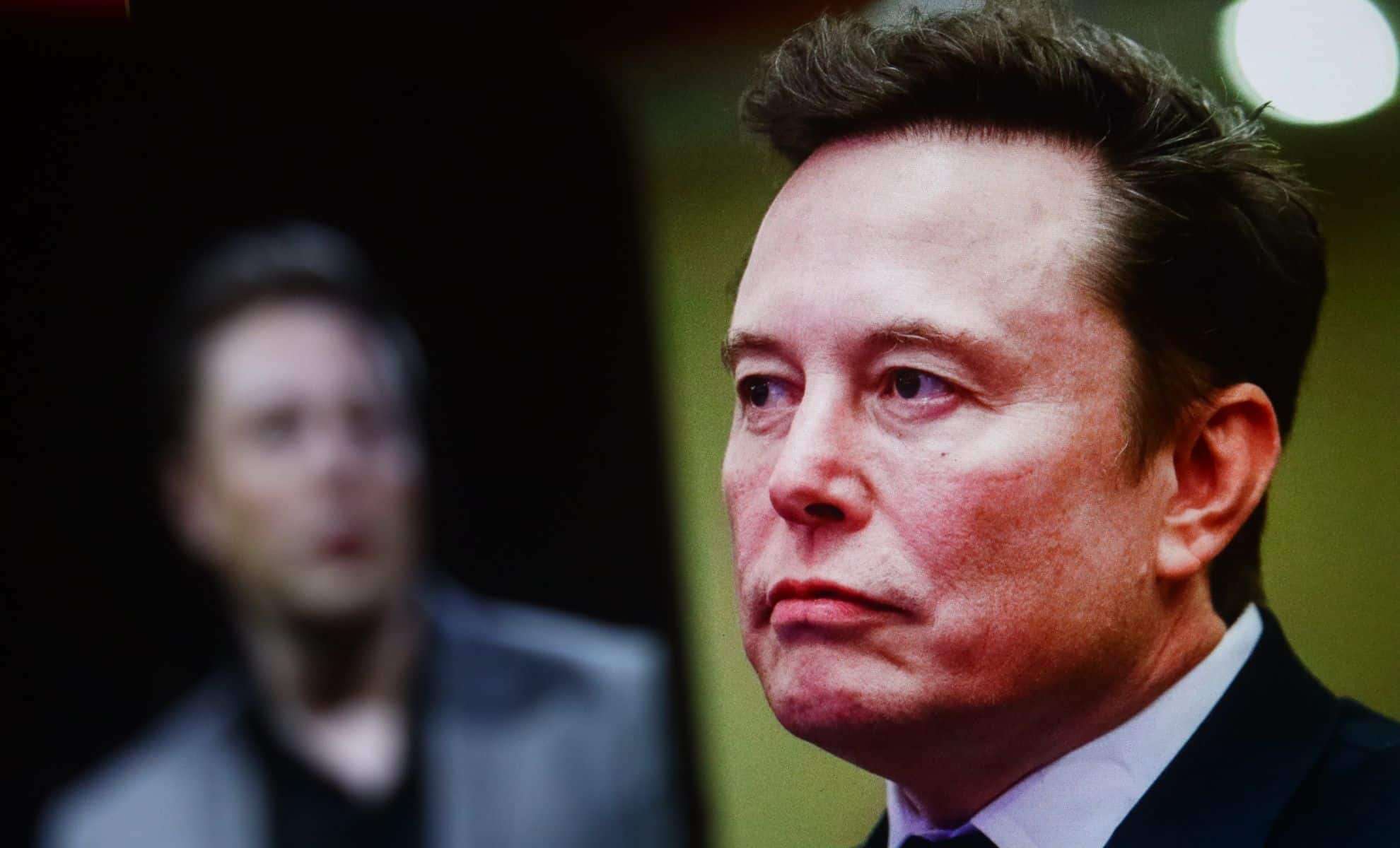
OpenAI has unveiled its latest AI advancement, GPT-5, now integrated into Microsoft’s flagship products, marking a pivotal moment in artificial intelligence development. Microsoft praised the new version’s enhancements in productivity and smarts, but Elon Musk quickly fired back, cautioning Microsoft CEO Satya Nadella that OpenAI might soon surpass Microsoft completely.
Deepening Bonds Between Microsoft and OpenAI
On August 7, Satya Nadella revealed that GPT-5 has been embedded within Microsoft 365 Copilot, the standalone Copilot app, GitHub Copilot, and Azure AI Foundry. He called it “the most advanced model to date” from their collaborators at OpenAI, highlighting its improvements in reasoning, coding, and dialogue abilities, all powered by Azure’s cloud infrastructure.
Nadella reflected on the rapid advancements since OpenAI CEO Sam Altman joined him in Redmond two and a half years ago for the launch of GPT-4 in Bing. He marveled at the swift technological progress and expressed excitement for the innovations that developers, companies, and users will build with this updated AI model.

Musk Fires Back: Grok Platform Poised to Compete
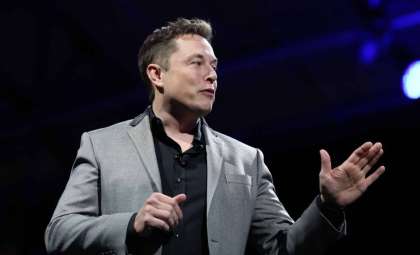
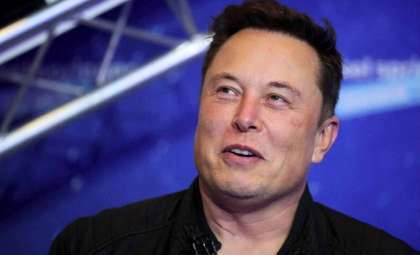
Meanwhile, Elon Musk, head of xAI and the Grok AI system, took a competitive stance. His bold statement—“OpenAI is going to eat Microsoft alive”—prompted a confident reply from Nadella: “People have been trying for 50 years and that’s the fun of it! Each day you learn something new and innovate, partner, and compete. Excited for Grok 4 on Azure and looking forward to Grok 5!”
Further emphasizing his confidence, Elon Musk proclaimed that his Grok 4 Heavy remains “the most powerful AI” currently available and teased the upcoming Grok 5 later this year. He also revealed that Grok’s new Imagine feature—enabling the creation of videos and images—will be accessible for free to all users. This stands in contrast with competitors like OpenAI and Google, whose high-end visual generation tools often require subscriptions.
Sam Altman Reflects on GPT-5’s Impact
For Sam Altman, the launch of GPT-5 has been both inspiring and somewhat daunting. In a recent podcast, he confessed to feeling “useless” after witnessing the AI flawlessly complete a challenging email task that had stumped him. Drawing parallels with the Manhattan Project, Altman admitted to feeling “scared,” noting that GPT-5 could trigger far-reaching changes akin to Oppenheimer’s historical scientific breakthrough—though without destructive intent.
Altman described GPT-5 as “clearly a generally intelligent model” and a significant stride towards achieving artificial general intelligence. He likened the evolution of GPT models to academic stages: GPT-3 as a high school learner, GPT-4 as a college student, and GPT-5 as an expert with PhD-level abilities. However, he stressed the model still lacks continuous learning capabilities.
GPT-5’s Expanded Abilities Set New Milestones
GPT-5 offers a range of new features that boost its practical use in diverse fields. The technology excels in tasks involving coding, mathematics, writing, healthcare evaluations, and image analysis. One highlight is its innovative “vibe coding” capability, which allows developers to create entire applications using natural language instructions with minimal manual work.
The Visual Studio Code-based platform, Cursor AI, has already integrated GPT-5, with the team acclaiming it as “the smartest coding model we have tested.” Currently, Cursor AI is free to use while Microsoft is providing Copilot users with higher utilization thresholds than those accessing OpenAI’s standalone ChatGPT.
- Categories:
- News





0 comments
Sign in to Comment