
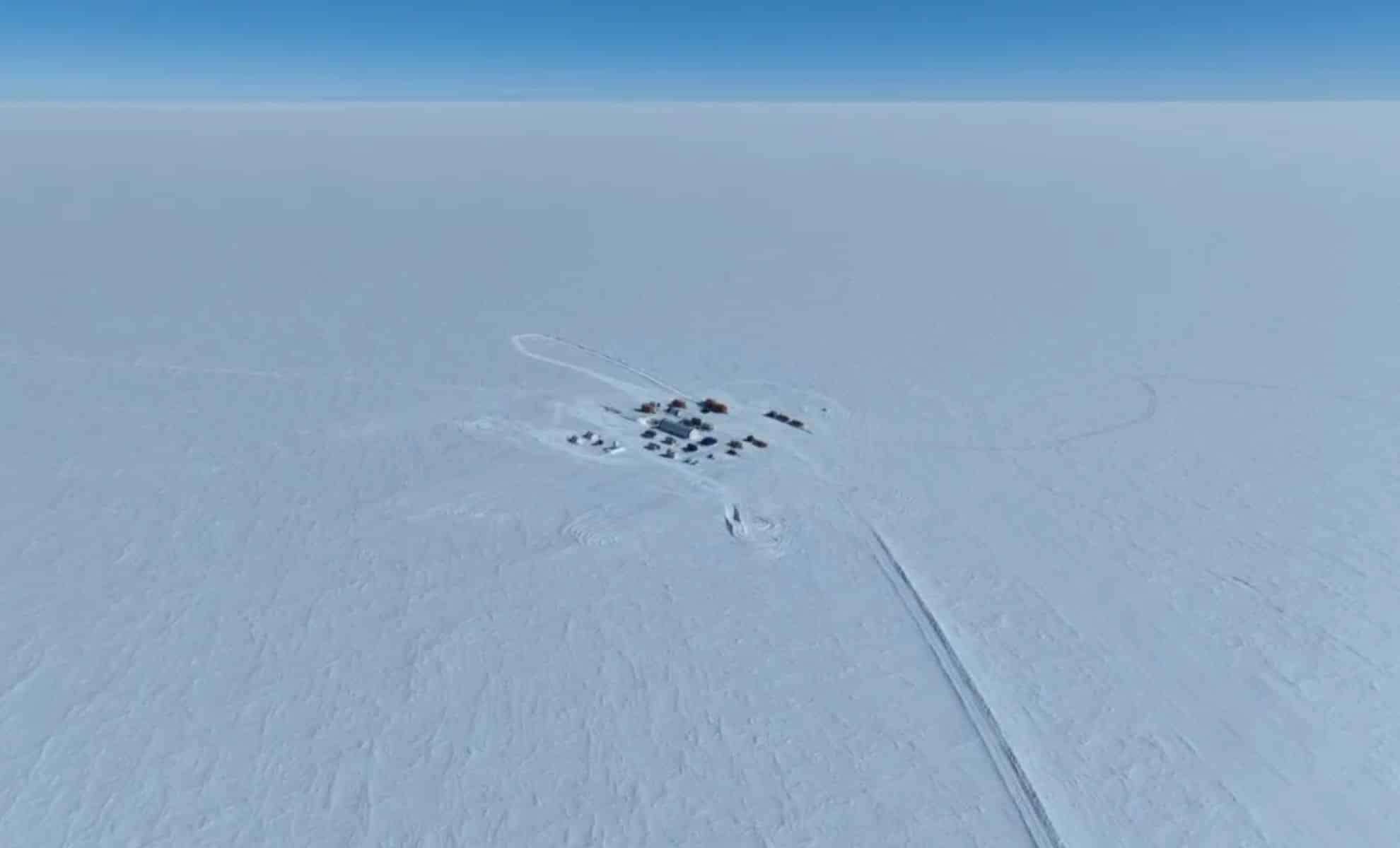
Researchers have recently acquired a remarkable ice core that could provide unprecedented insights into Earth's ancient climate. Dating back approximately 1.5 million years or potentially older, this core was drilled from deep within Antarctica’s ice sheet. As the oldest ice core recovered globally, it promises to transform our understanding of past climate dynamics.
The Expedition Behind the Ice Core
As reported by the BBC, the ice core reached the UK following a collaborative international mission to extract it from the Antarctic interior. Recovering the core required drilling through nearly 2.8 kilometers of ancient ice over the course of four field seasons. After retrieval, the core was carefully shipped and transported under cold conditions to the British Antarctic Survey’s state-of-the-art facility in Cambridge, where it is preserved at a chilling -23 °C under strict security measures.

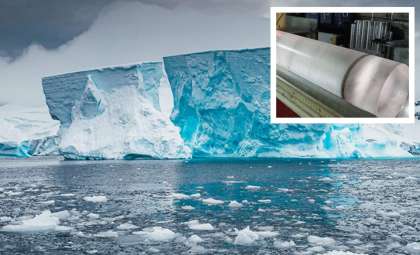
Within this cold storage, the ice core rests in specialized containers awaiting detailed examination. The frozen layers have trapped microscopic particles—ranging from dust and volcanic debris to tiny marine algae known as diatoms—that offer a frozen record of environmental conditions at the time they were formed. Dr. Liz Thomas, leader of the ice-core research team at the British Antarctic Survey, emphasized the core’s importance in shedding light on Earth's climate over a million years ago, a period still shrouded in uncertainty.

Decoding the Climate Record
The investigation will span seven weeks, during which the ice will be slowly melted to extract water laden with clues from Earth’s distant past. Scientists will analyze isotopic compositions and trace elements that reveal ancient temperature fluctuations, wind behavior, and sea level changes. Advanced instruments like the inductively coupled plasma mass spectrometer (ICPMS) will measure over 20 key elements, including rare earth metals, sea salts, and volcanic residues.
According to Dr. Thomas, this ice core might unlock revelations about critical climate transitions, such as epochs when carbon dioxide concentrations naturally matched or exceeded modern levels, providing a valuable context for today’s anthropogenic climate challenges.
The team is particularly focused on investigating the enigmatic Mid-Pleistocene Transition, a shift in Earth’s climate system occurring between 800,000 and 1.2 million years ago, which remains poorly understood.

Shedding Light on Glacial Patterns and Sea Level Changes
One major question the scientists aim to answer is why Earth’s glacial cycles shifted from a 41,000-year rhythm to a longer 100,000-year cycle roughly 800,000 years ago. The ice core may hold the key to unlocking the mechanisms behind this climatic alteration.
Additionally, the presence of dust within the ice layers could reveal how ancient ice sheets receded and contributed to rising sea levels—a pressing subject as modern climate shifts accelerate.
- Categories:
- News






0 comments
Sign in to Comment