
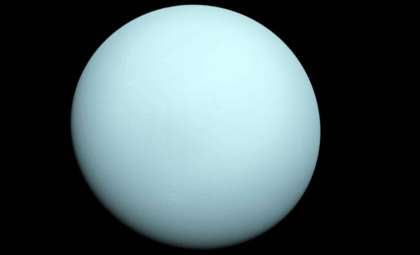
Uranus and Neptune have fascinated astronomers for decades, primarily due to the unusual nature of their magnetic fields. Unlike the near-perfect dipoles seen on Earth and Jupiter, the magnetic fields of these ice giants are oddly tilted and offset from their centers, presenting a long-standing puzzle. Recent research offers fresh insight into why these planets defy the typical magnetic patterns.
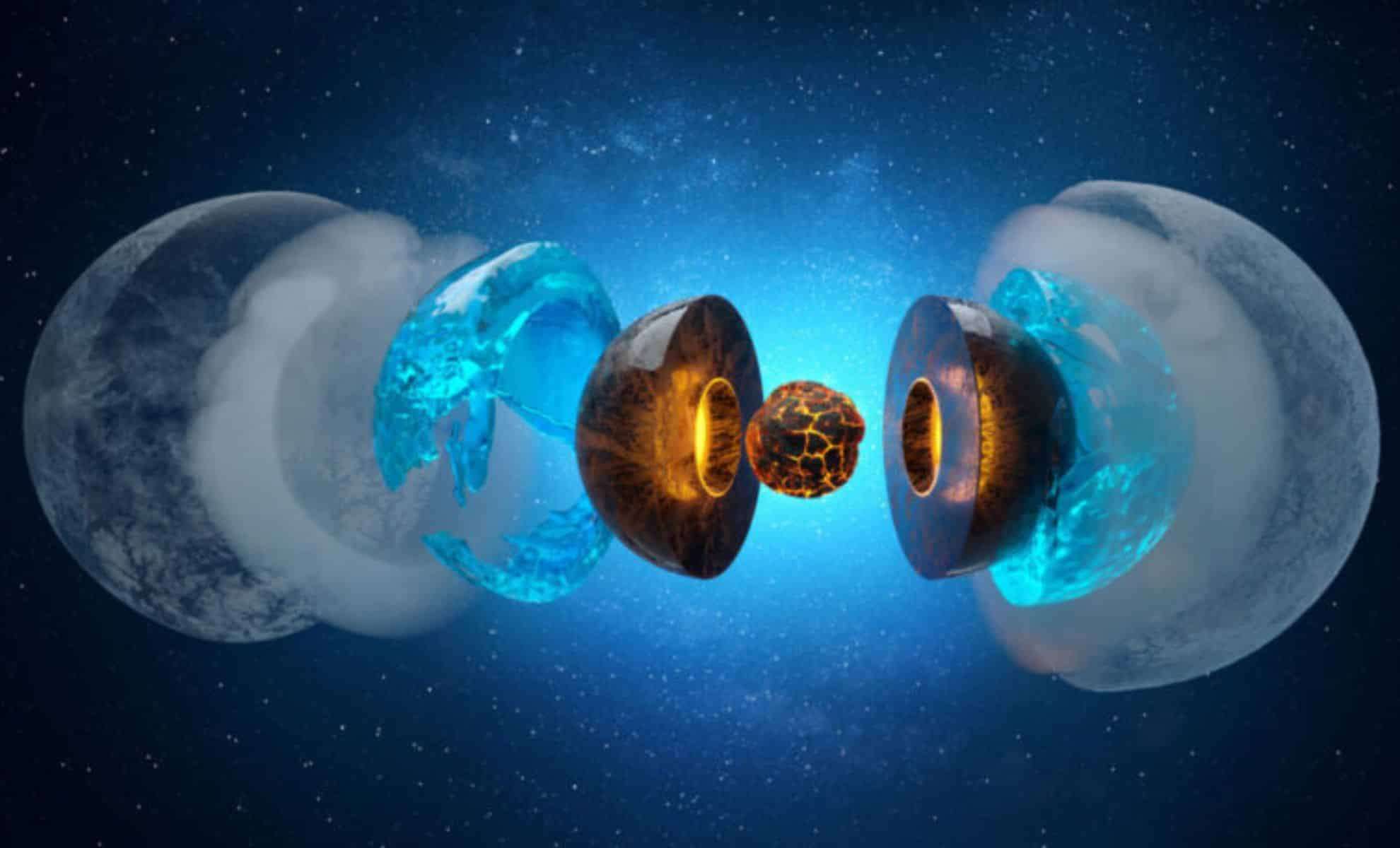
A research group led by Burkhard Militzer at UC Berkeley has utilized advanced simulations to investigate this anomaly. They found that the interior of Uranus and Neptune is distinctly layered, with one layer dominated by water and another rich in carbon and nitrogen. This stratification disrupts the typical convection currents that generate magnetic fields on other planets, which may explain the anomalous magnetic signatures observed.
Revolutionizing Our Understanding with Advanced Simulations
Militzer’s team employed simulations involving 540 atoms—significantly more than previous models—which allowed them to more accurately replicate the intense pressures and temperatures inside Uranus and Neptune. Their breakthrough came when they observed that water and carbon-nitrogen compounds naturally separate into two distinct phases under these conditions. Militzer remarked, “It was remarkable to see water separate from carbon and nitrogen, something unimaginable a decade ago. This separation explains why Uranus and Neptune have a water-rich layer above a carbon-rich layer.”

This layering inhibits convection—the process where hot material rises and cooler material sinks—which is essential for dynamo action that sustains the magnetic fields on planets like Earth and Jupiter. Without this convection, the magnetic fields of Uranus and Neptune take on their unique, off-center configurations.
Why This Explanation Outshines Earlier Theories
Before this discovery, scientists had proposed several hypotheses, including unusual phenomena like diamond rain or superionic water, to account for the ice giants’ magnetic traits. However, Militzer argues that these ideas are less convincing. “While colleagues consider diamond rain or superionic water as possible explanations, I find them unconvincing,” he said. “The distinct layering we observed provides a clearer, more straightforward answer.”
The elegance of this model lies in its simplicity—layer separation rather than exotic processes—offering a robust framework for understanding the ice giants’ tilted and offset magnetic fields.
Broader Impact: Insights Into Exoplanet Magnetism and Future Studies
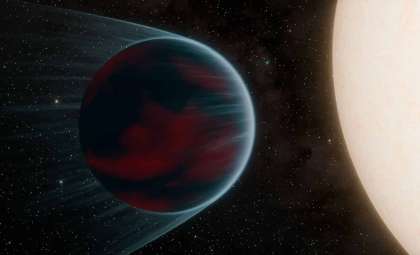
This new understanding extends beyond our solar system. For exoplanets similar in composition to Uranus and Neptune, this layered interior model could clarify their magnetic field characteristics. As discoveries of such distant worlds grow, Militzer’s findings may become foundational for interpreting their magnetospheres.
The research also highlights how advancements in computational power are transforming planetary science. “Simulating large atomic systems was impossible a decade ago,” Militzer noted. “Now, we can explore planetary interiors with unprecedented precision, unlocking secrets long hidden beneath the clouds.”
Looking forward, these findings pave the way for more detailed studies of magnetic fields in exoplanets, enhancing our understanding of planetary formation and behavior across the cosmos.
- Categories:
- News






0 comments
Sign in to Comment