
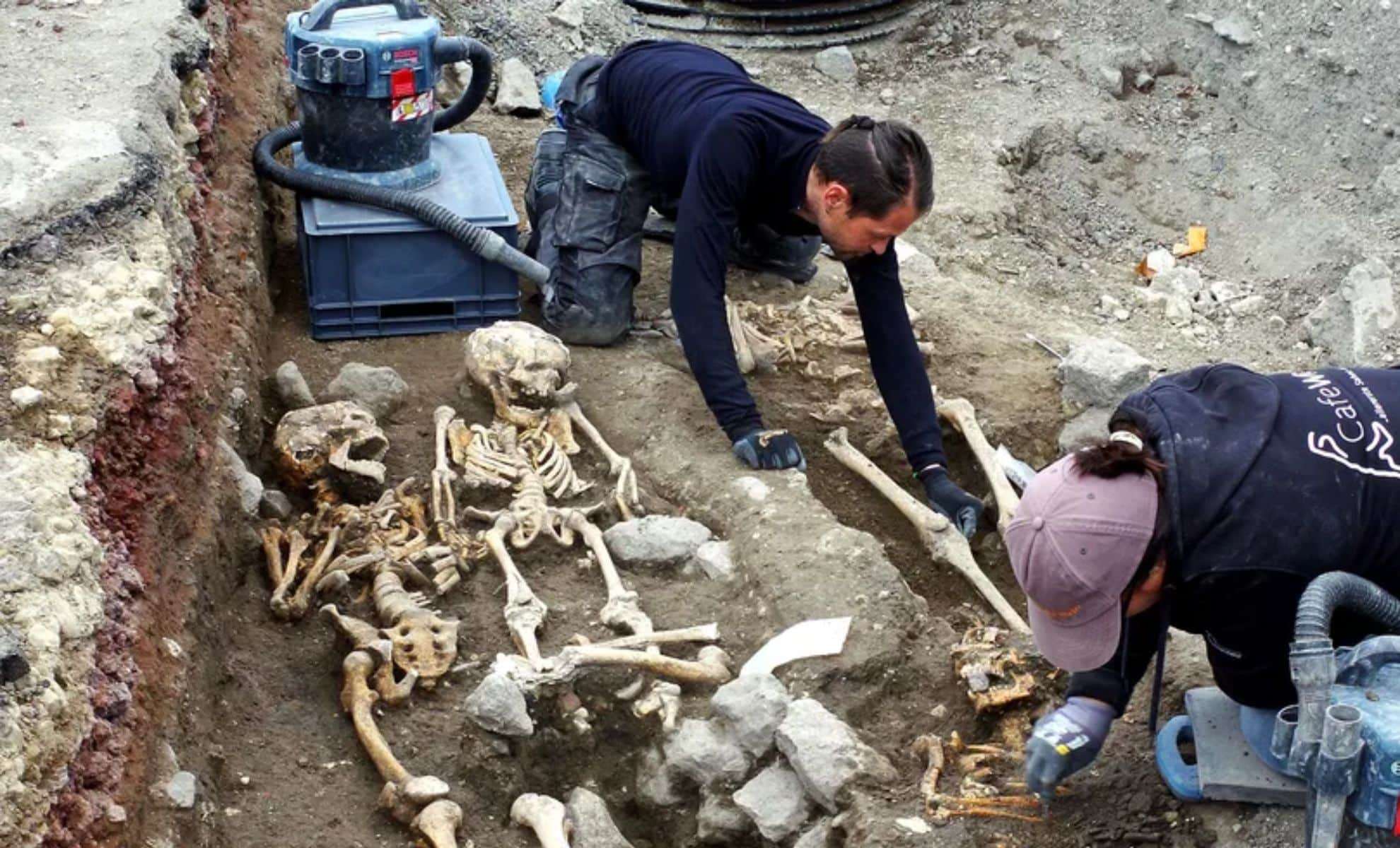
An extraordinary find has transformed the historical understanding of Clermont-Ferrand. During construction works at the place des Carmes, archaeologists revealed over a hundred medieval burial sites, uncovering a concentration of remains far beyond initial predictions and providing fresh perspectives on the city’s medieval era.
Unearthing a Long-Lost Cemetery at the City’s Core
The archaeological dig spanned nearly 2,500 square meters in the city's center and was carried out by Archeodunum, overseen by the Service Régional de l’Archéologie d’Auvergne-Rhône-Alpes. What began as a standard archaeological survey mandated by government officials turned into an unexpected revelation. Jérôme Besson, the project’s lead researcher, remarked, “The density we found was surprising.”
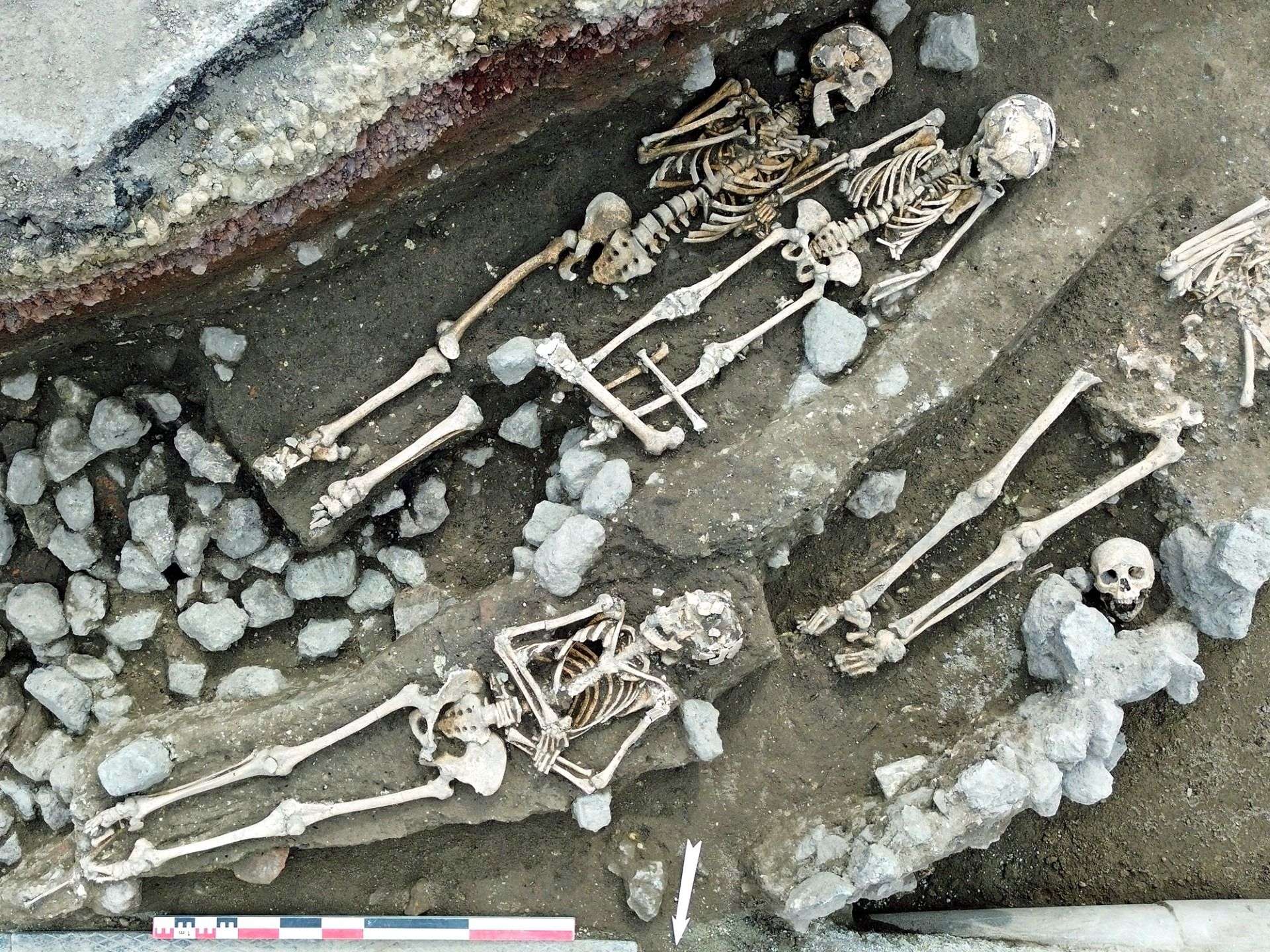
The discovery was indeed remarkable. In one particular section, archaeologists uncovered “more than one skeleton per square meter,” with over 80 individuals in an area of just 57 square meters. Overall, the site contains more than a hundred medieval graves, marking it as one of the most important burial finds in Clermont-Ferrand’s history.

Link to the Chantoin Monastery and Medieval Spiritual Customs
Experts attribute the cemetery to the ancient Chantoin monastery, established in the early Middle Ages. This burial site likely served the monks as well as the local populace. “The remains include children, infants, adults, both male and female,” Besson said, suggesting these people were interred ad sanctos—near the saints—in hopes of spiritual safeguarding.
Remarkably, none of the skeletons were accompanied by personal belongings or grave markers. Besson explained, “There’s a clear form of anonymity in burial practices; no jewelry or grave stelae were found. Only the bodies laid to rest close to the monastery.” This lack of material decoration offers intriguing insights into medieval burial traditions and religious beliefs.
Discoveries of Roman-era Settlements Extend City’s Timeline
In addition to the cemetery, archaeologists uncovered traces of Roman habitation in the area. These findings suggest that the site was once on the edge of a Gallo-Roman settlement. According to Besson, “These remains indicate that this sector was at the outskirts of the Gallo-Roman town but was already urbanized,” effectively revising the historical boundaries of ancient Clermont-Ferrand.
The excavation focused on graves endangered by ongoing construction, while debates continue over how to protect the remaining undisturbed areas. The artifacts and human remains—including ceramics and metal pieces—discovered will undergo thorough analysis in the next two years and will be curated in official collections for future scholarly work.
A Major Financial Commitment to Protect Archaeological Heritage
The project represents a significant investment in archaeological research and heritage preservation, with a budget exceeding 10.5 million euros, of which 2.4 million euros are allocated directly for the excavation. While redevelopment of place des Carmes is anticipated to finish by September 2025, the scientific investigation of this medieval cemetery will extend well beyond that, promising profound new understandings of the city’s early history.
- Categories:
- News









0 comments
Sign in to Comment