
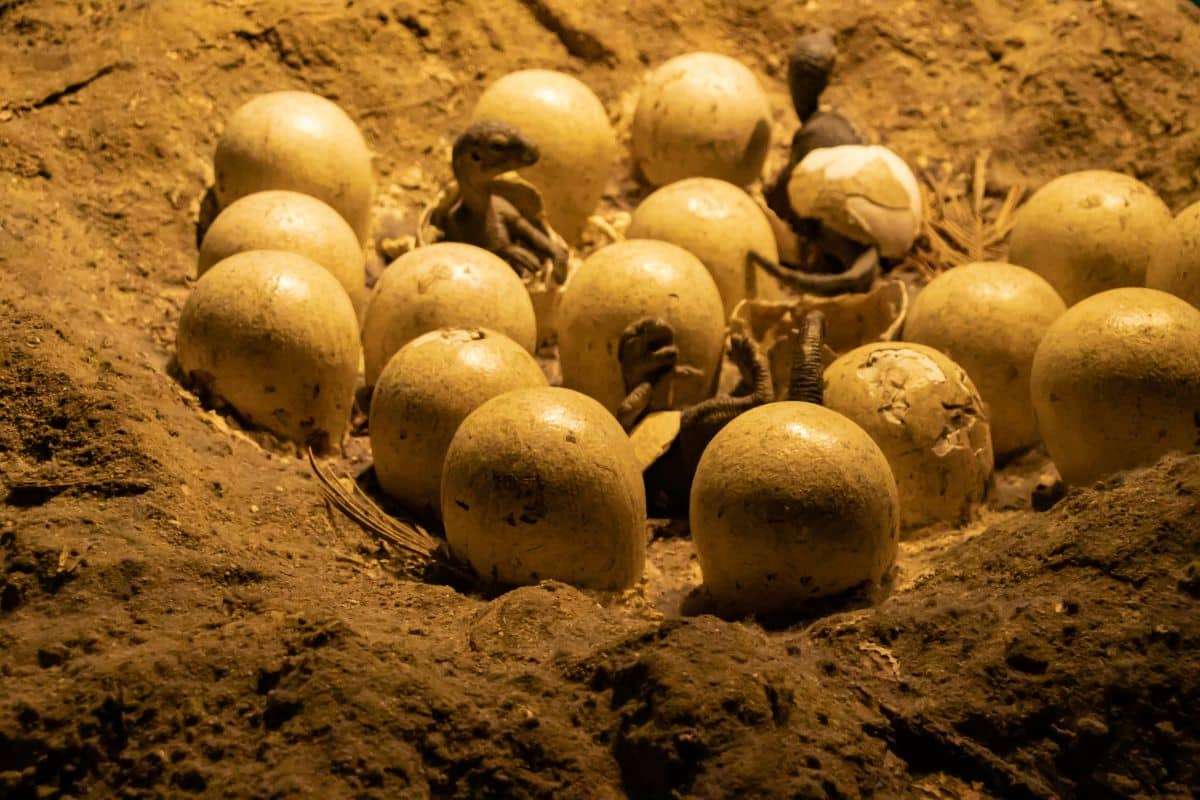
A dinosaur embryo dating back 70 million years, remarkably preserved within a fossilized egg, has been unearthed. This extraordinary specimen ranks among the most intact dinosaur embryos ever discovered, offering revolutionary insights into the early development and hatching practices of ancient reptiles.
Found in Missouri, the fossil reveals compelling evidence supporting the evolutionary link between dinosaurs and today's birds, highlighting developmental parallels.
Unearthing a Window to the Distant Past
Fossilized dinosaur eggs are incredibly uncommon, and locating one harboring a complete embryo is exceptionally rare. This discovery grants scientists a remarkable opportunity to examine the embryo’s anatomy, positioning, and possible behaviors in unprecedented detail.
The embryo was fossilized while still enclosed in the egg, preserving its curled posture akin to that of bird embryos today. This parallel raises intriguing questions about the shared developmental traits of dinosaurs and birds.

Located in Missouri, a region not widely known for dinosaur fossils, the find suggests that ancient sediment along a prehistoric shoreline helped protect the egg and its precious contents over millions of years.
Investigating Why the Embryo Remained Unhatched
A perplexing mystery is why the dinosaur embryo never emerged from its egg. Researchers propose several possibilities including environmental stresses, threats from predators, or biological abnormalities that prevented hatching.
Though fossilized eggs themselves are a rarity, discovering one with such a well-preserved embryo provides a unique, frozen moment from the distant past.
Implications for Understanding Dinosaur Evolution
The embryo’s position within the egg mimics a behavior known as tucking, observed in modern bird embryos where the head is tucked under the wing to facilitate hatching. This similarity supports the idea that dinosaurs may have had embryonic behaviors closely resembling those of birds, deepening our understanding of their evolutionary relationship.
Scientists aim to continue examining this specimen to uncover more details about dinosaur growth and reproductive habits. It raises the question: could other species have displayed similar avian-like traits?
This remarkable find adds another chapter to the story tracing the lineage from ancient reptiles to modern feathered creatures.
A Valuable Glimpse Into the Ancient World
This discovery underscores the critical role of ongoing paleontological efforts. As excavation methods keep advancing and more extraordinary fossils emerge, researchers anticipate uncovering further clues into dinosaur biology.
Although this dinosaur embryo never hatched, its fossil remains provide researchers with a priceless snapshot of prehistoric development. This specimen will continue to shed light on dinosaur reproduction, growth patterns, and their evolutionary journey toward birds.
- Categories:
- News







0 comments
Sign in to Comment