
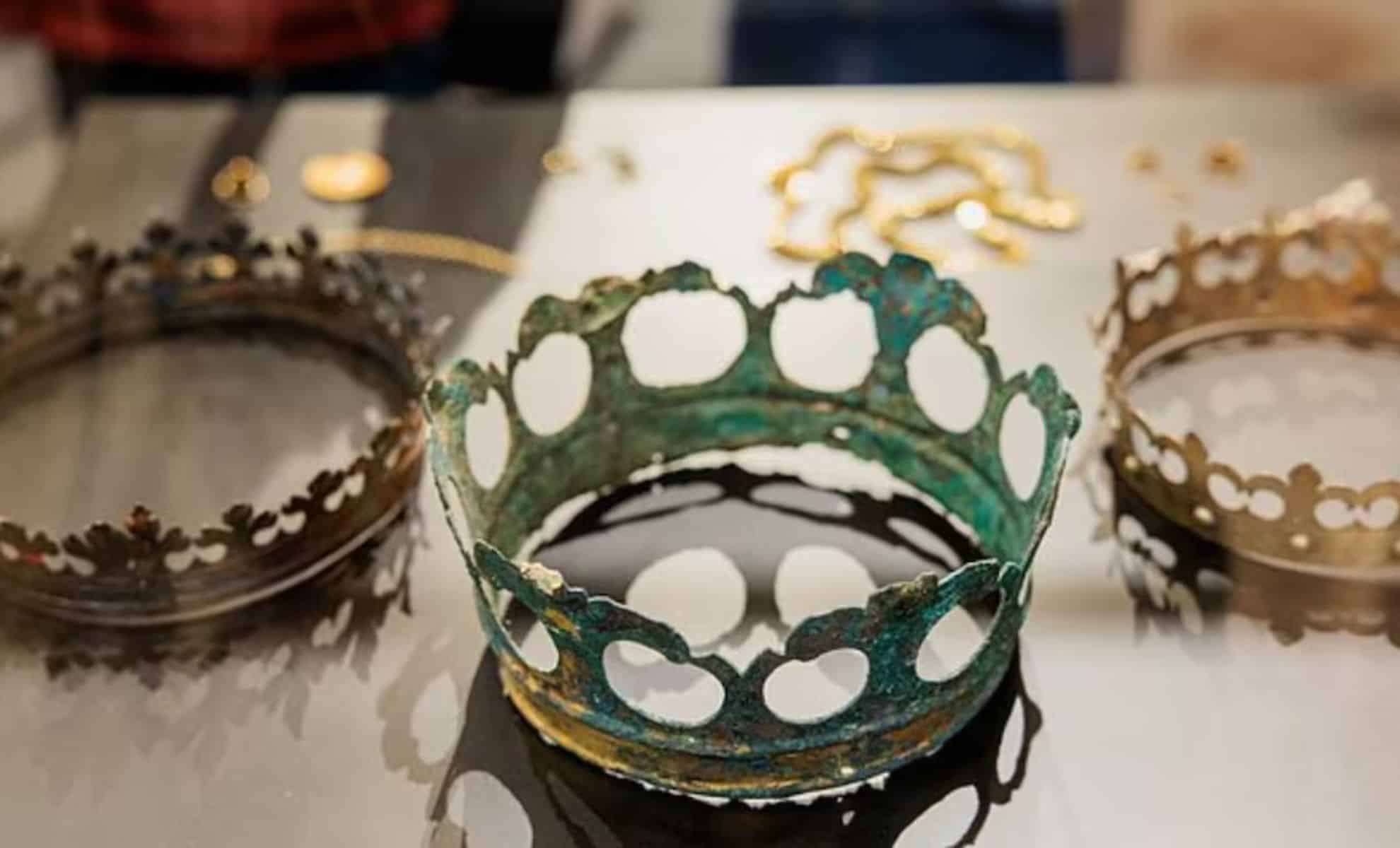
A remarkable cache of medieval royal relics has emerged after being concealed for over eight decades, thrilling historians and art lovers worldwide. This assemblage features ornately crafted crowns, scepters, and royal emblems belonging to European monarchs at the peak of their rule. Secreted away during the upheaval of World War II, these items offer insights into both the grandeur of the rulers and the burial customs and cultural heritage of their era.
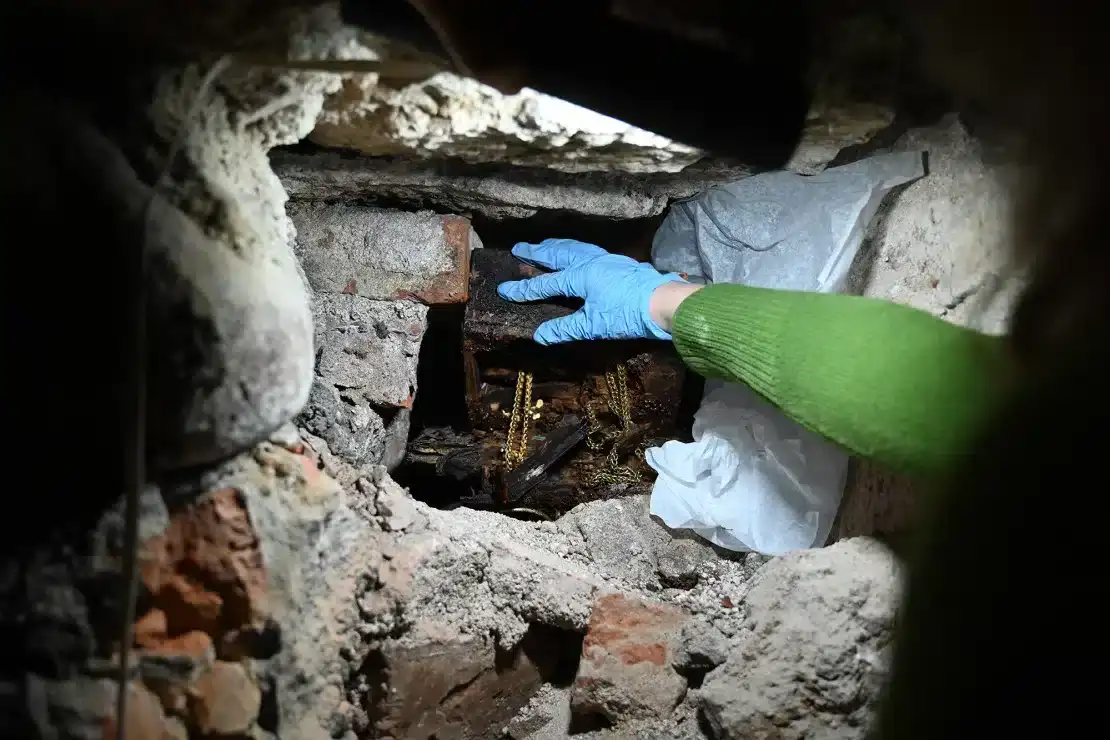
Initially uncovered in 1931 amid cleaning efforts, the treasures were hidden again with the outbreak of war in 1939. Numerous searches over the years failed to locate them until researchers in 2024 employed an endoscopic camera to investigate the crypts suspected of housing the collection. In December, they finally found the artifacts wrapped in newspapers dated September 1939, a stark symbol of the wartime turmoil that prompted their concealment.
Insights Into Medieval Royal Burial Customs
The recovered collection includes exquisite burial crowns, chains, medallions, and plaques linked to prominent medieval European royals such as Alexander Jagiellon, King of Poland and Grand Duke of Lithuania, Elizabeth of Austria, and Barbara Radziwiłł, a queen consort famed for both her influence and beauty.

“The discovered burial insignia of the monarchs of Lithuania and Poland are priceless historical treasures, symbols of the long tradition of Lithuanian statehood, signs of Vilnius as the capital city, and magnificent works of goldsmithing and jewellery,” said Vilnius Archbishop Gintaras Grušas in a statement sent to CNN by the Vilnius Archdiocese.
Unlike ceremonial regalia meant for public display, these pieces were created specifically for burial rites, embodying the high esteem afforded to rulers even after death. They symbolized eternal authority and divine connection. “This reflects the burial and honouring practices of the time,” the statement explained.
The Treasures’ Deeper Meaning
This discovery has reignited conversations about Lithuania’s historical legacy and its role within European culture. Meticulously created by medieval goldsmiths, these artifacts extend beyond displays of wealth—they serve as authentic connections to the nation’s rich past.
“These symbols are important both for the State and for each of us, as signs of European identity, as a reclaimed identity of the old State, as a sign of the strength of our roots,” stated Rita Pauliukevičiūtė, head of the Vilnius Church Heritage Museum. She highlighted how the find accentuates Lithuania’s royal heritage and stresses the importance of safeguarding endangered cultural treasures.
The crypt housing these relics has been recognized as the burial site for many high-ranking individuals from the Grand Duchy of Lithuania, underscoring its historical significance. This unearthing serves as a powerful reminder of Lithuania’s independence, creativity, and enduring cultural impact.
Artistry Preserved Through Centuries
The collection includes not only crowns but also scepters, rings, orbs, and coffin markers adorned with intricate details. These items showcase the exceptional craftsmanship of medieval European goldsmiths. For instance, the crown tied to Alexander Jagiellon and the burial accoutrements of Elizabeth of Austria display complex designs blending Gothic motifs with local stylistic elements.
The regalia associated with Barbara Radziwiłł reflects both her wealth and political influence as the consort of Sigismund II Augustus, King of Poland and Grand Duke of Lithuania. These artifacts reveal the immense resources invested in commemorating monarchs through elaborate artistry.
“The discovered burial insignia… are magnificent works of goldsmithing and jewellery,” Archbishop Grušas reiterated, underscoring their rare cultural and historical significance.
Protecting Heritage for Generations Ahead
Following this incredible find, specialists have begun preservation efforts to safeguard the artifacts. The items will undergo thorough examination and restoration before being put on public display.
“They will be examined, restored and presented to the public in the future,” the Vilnius Archdiocese confirmed. Due to the artifacts’ fragile condition and age, meticulous conservation is essential to prevent deterioration when exhibited.
After restoration, these treasures are set to become a focal point of Lithuania’s cultural narrative, allowing visitors to engage with a captivating chapter of European history. Far from mere relics, they embody stories that connect past to present and foster pride in Lithuania’s historical roots and identity.
- Categories:
- News













0 comments
Sign in to Comment