
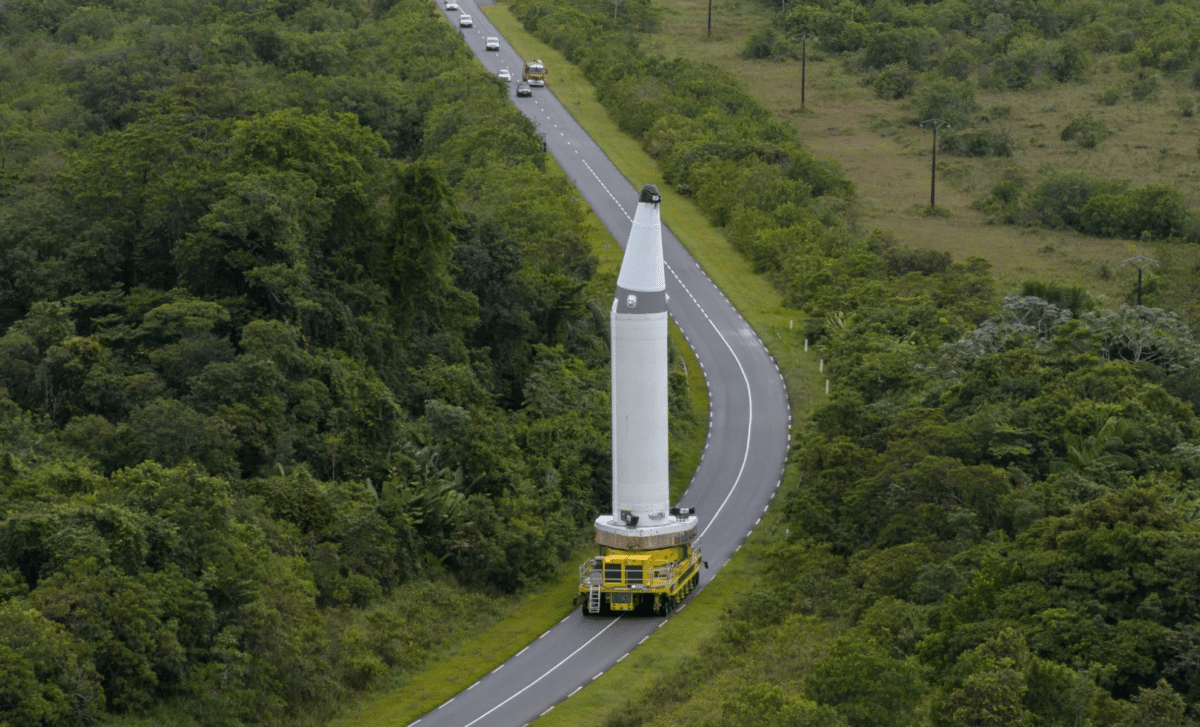
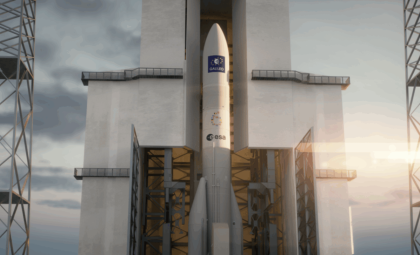
Amazon is set to deploy its largest batch of broadband satellites yet, utilizing the newly enhanced Ariane 6 rocket. This launch, planned for June 17 from French Guiana, represents a pivotal step in expanding Amazon Leo’s expansive low Earth orbit network.
Enhanced Boosters Boost Payload Capacity
The forthcoming Ariane 64 mission, named LE-03, will introduce P160C solid rocket boosters, an upgrade from the previous P120C boosters. The P160C boosters are notably one meter longer, increasing the rocket’s carrying capacity by over two metric tons, enabling the transport of 36 satellites in one flight—surpassing the capacity of earlier Ariane 6 missions.
Melissa Wuerl, launch systems director at Amazon Leo, highlighted the significant engineering effort behind this advancement, noting that the P160C boosters supply the necessary thrust margin for safer, more efficient payload increases. Arianespace CEO David Cavaillolès described LE-03 as the boldest launch in their collaboration so far, showcasing Ariane 6's scalable design.

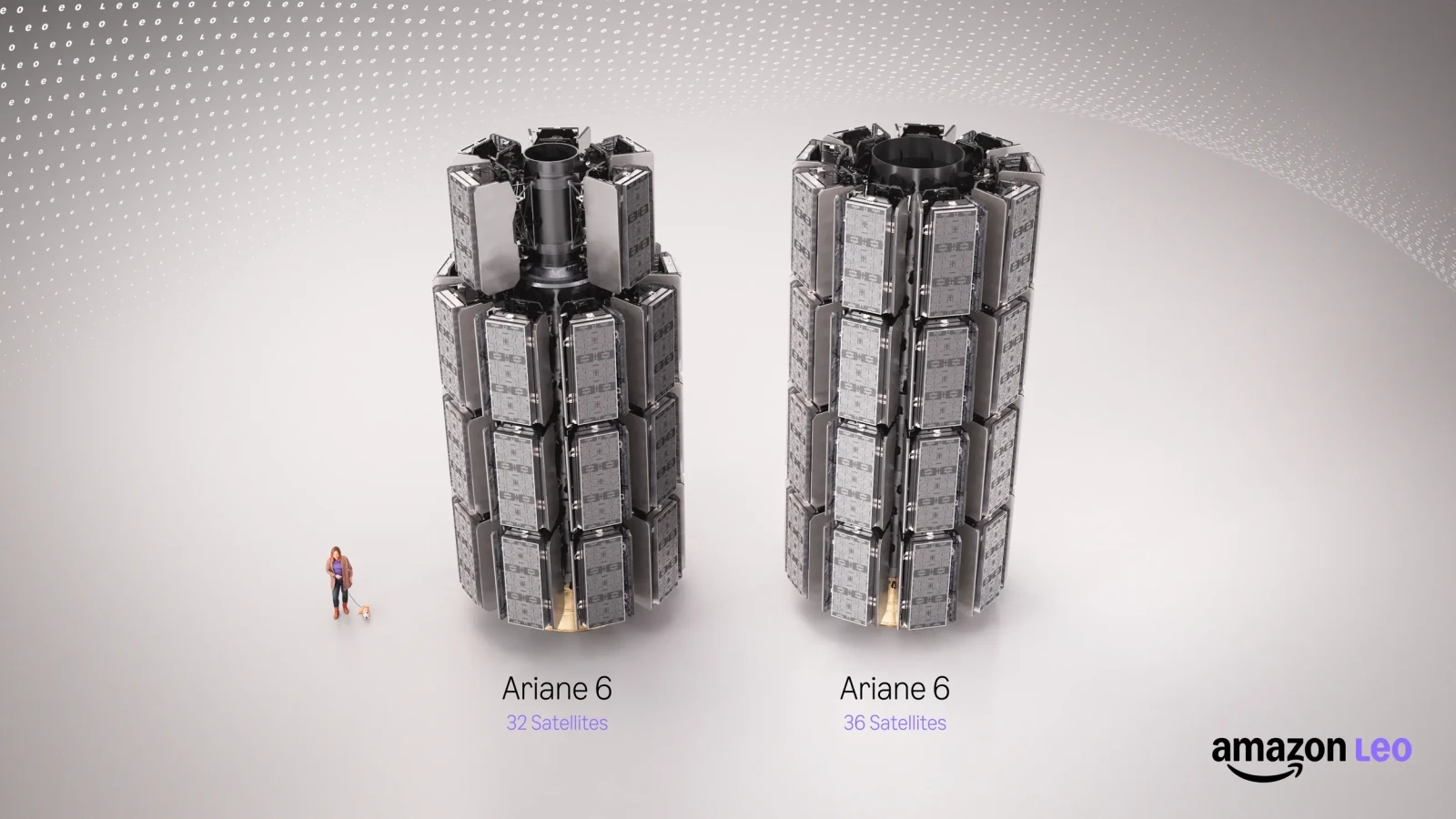
Launch Sets New Satellite Deployment Record
This launch’s record of 36 satellites exceeds Amazon’s previous shipments, which included 27 to 29 satellites on Atlas 5 and 24 on Falcon 9 rockets. The company initially aimed to send 48 satellites aboard a Blue Origin New Glenn rocket, but a May 28 static-fire test explosion caused a delay and indefinite grounding.
Similarly, United Launch Alliance’s Vulcan rocket, intended for Amazon Leo payloads, has yet to launch following a solid booster issue in February. Amazon remains vigilant regarding these launch options as it works toward finishing its constellation.
Amazon Leo’s Rapid Network Expansion
So far, Amazon has deployed 331 satellites, about 10% of its target 3,232-satellite array. The company faces a Federal Communications Commission (FCC) deadline of July 30 to have at least half of its constellation in service. Amazon requested a 24-month extension or waiver in January due to repeated delays, with the FCC's decision still pending.
The LE-03 flight holds both symbolic and practical value, showcasing Ariane 6's booster improvements while enabling Amazon to progress toward its regulatory milestones. The mission’s outcome will inform future launches utilizing Ariane 6, Vulcan, and New Glenn vehicles.
Obstacles and Future Trajectory
Despite the promising capabilities of Ariane 6’s upgraded boosters, Amazon’s timetable remains sensitive to potential technical difficulties and logistical challenges. The company must carefully coordinate multiple launch providers, resolve booster-related issues, and meet regulatory deadlines to fulfill its ambitious objectives. Industry analysts, including those at Space News, emphasize Amazon Leo’s resolve to harness new booster technologies and launch partnerships to fast-track its global broadband goals.
With the strengthened Ariane 6 boosters leading the charge, the LE-03 mission promises to be a landmark in Amazon Leo’s rapid constellation rollout, potentially transforming worldwide broadband connectivity through low Earth orbit satellites.
- Categories:
- News









0 comments
Sign in to Comment